Protein10 recipes
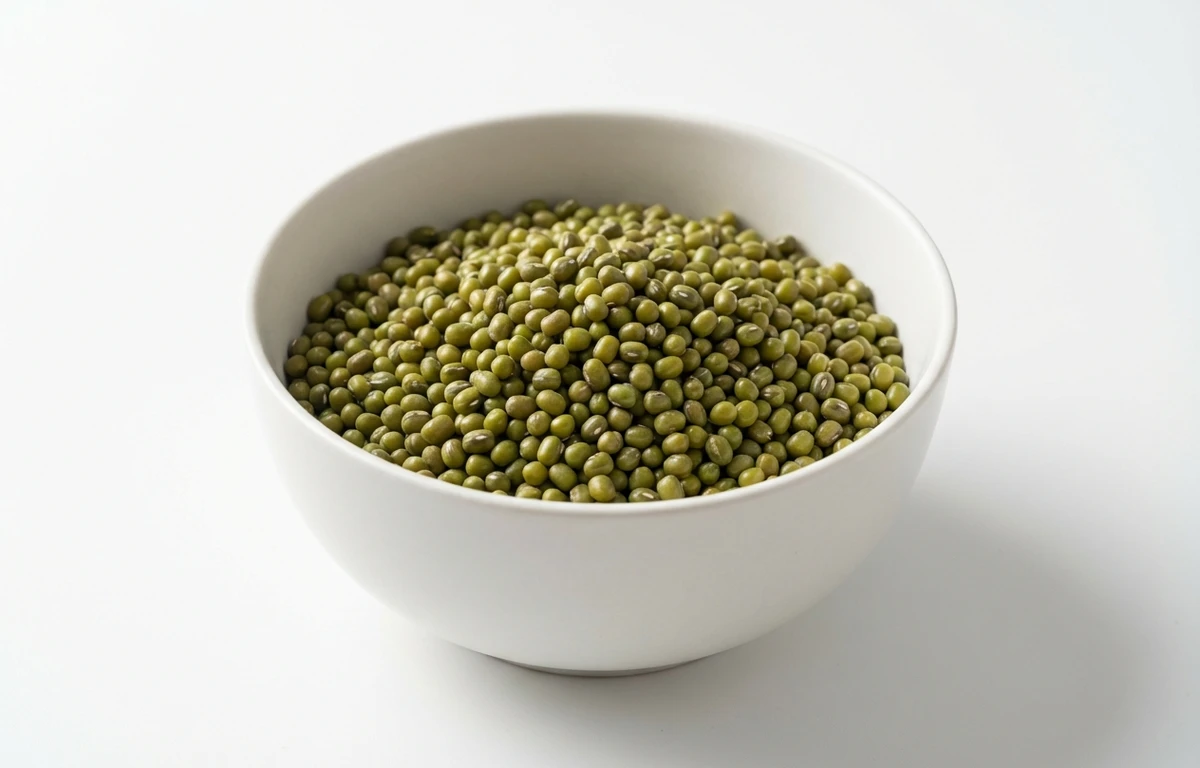
whole mung beans.
VegetarianVeganGluten-freeDairy-freeNut-freePeanut-freeSoy-freeEgg-freeShellfish-freeHoney-freeAlcohol-free
ALSO KNOWN AS
whole green moong dal
SERVING
CALORIES
347
PROTEIN
23.9g
CARBS
62.6g
FAT
1.1g
FIBER
16.3g
NUTRITION PROFILE · per 100 g
Everything in this ingredient.
MACRONUTRIENTS
Calories347kcal—
Protein23.9g48%
Carbohydrates62.6g23%
Fiber16.3g58%
Sugar6.6g13%
Total fat1.1g1%
Saturated fat0.35g2%
Trans fat0g—
Cholesterol0mg0%
Water9.1g—
MINERALS
Sodium15mg1%
Potassium1246mg27%
Calcium132mg10%
Iron6.7mg37%
Magnesium189mg45%
Phosphorus367mg29%
Zinc2.7mg24%
Copper0.94mg104%
Manganese1.0mg45%
Selenium8.2µg15%
VITAMINS
Vitamin A6.0µg1%
Vitamin C4.8mg5%
Vitamin D0µg0%
Vitamin E0.51mg3%
Vitamin K9.0µg8%
Thiamin (B1)0.62mg52%
Riboflavin (B2)0.23mg18%
Niacin (B3)2.3mg14%
Pantothenic acid (B5)1.9mg38%
Vitamin B60.38mg22%
Folate (B9)625µg156%
Vitamin B120µg0%
%DV based on a 2,000 cal diet. Source: USDA FoodData Central. A dash in the %DV column means there’s no established Daily Value for that nutrient.
MEASUREMENT CONVERSIONS
How much is what.
1 cup207g
1 tablespoon13g
1 teaspoon4.3g
1 ml0.9g
1 liter866.7g
HEALTH BENEFITS
Why eat it.
- ✓Rich in essential nutrients like folate, manganese, magnesium, and B vitamins.
- ✓High in dietary fiber and resistant starch, which can aid digestive health and promote beneficial gut bacteria.
- ✓Contains antioxidants such as flavonoids and phenolic acids that may help combat oxidative stress.
- ✓The combination of protein and fiber can help regulate blood sugar levels by slowing sugar absorption.
COOKING TIPS
In the kitchen.
- 1Soak whole mung beans for at least 4 hours or overnight to reduce cooking time and improve digestibility.
- 2To cook, use a ratio of 1 part beans to 3 parts water. Bring to a boil, then reduce heat and simmer for about 30-45 minutes, or until tender.
- 3Mung beans do not require pre-soaking and can be cooked directly in a pressure cooker for about 10-12 minutes to save time.
- 4Sprout mung beans by soaking them overnight, draining, and rinsing them twice daily for 2-4 days until sprouts appear. Use sprouts in salads and stir-fries.
STORAGE
Keep it fresh.
- Store dry, whole mung beans in an airtight container in a cool, dark, and dry place, such as a pantry, for up to a year.
- Once cooked, store them in an airtight container in the refrigerator and consume within 3-5 days.
FAQ
Frequently asked questions.
Are whole mung beans healthy?
Yes, whole mung beans are highly nutritious and considered a superfood in many cultures. They are rich in essential nutrients like folate, manganese, and magnesium, and contain powerful antioxidants that help combat oxidative stress and support heart health.
How much protein is in whole mung beans?
Whole mung beans are an excellent plant-based protein source, providing approximately 23.86g of protein per 100g of dried beans. This high protein content makes them a staple for vegetarian and vegan diets to support muscle maintenance.
Are whole mung beans good for weight loss?
Yes, they are very effective for weight management. The combination of high protein and high dietary fiber (found in the skin of the whole bean) increases the production of satiety hormones, helping you feel full longer and reducing overall calorie intake.
Do I need to soak whole mung beans before cooking?
While not strictly required like larger beans, soaking whole mung beans for 4-8 hours is recommended. Soaking reduces cooking time, helps break down complex sugars that cause gas, and improves the absorption of nutrients.
Are whole mung beans gluten-free?
Yes, whole mung beans are naturally gluten-free. They are a safe and healthy option for individuals with celiac disease or non-celiac gluten sensitivity looking for a nutrient-dense carbohydrate and protein source.
Can diabetics eat whole mung beans?
Yes, they are excellent for blood sugar regulation. Their high fiber and protein content slow the absorption of sugar into the bloodstream, resulting in a lower glycemic response compared to refined grains.
Are whole mung beans keto-friendly?
No, whole mung beans are generally not keto-friendly. With approximately 62.62g of carbohydrates per 100g, they contain too many carbs for a standard ketogenic diet, which typically limits daily carb intake to under 50g.
What do whole mung beans taste like?
Whole mung beans have a mild, slightly sweet, and earthy flavor with a nutty undertone. Their neutral profile allows them to absorb the flavors of spices and seasonings well in both savory soups and sweet desserts.
How should I store dried whole mung beans?
Store dried mung beans in an airtight container in a cool, dry, and dark place like a pantry. When kept away from moisture and heat, they can remain fresh and safe to eat for up to 2-3 years.
Can I eat whole mung beans raw?
It is not recommended to eat dried whole mung beans raw as they are very hard and contain antinutrients that can cause digestive distress. However, they can be eaten 'raw' once they have been sprouted, which significantly increases their vitamin C and enzyme content.
RECIPES
Cook with whole mung beans.
10 recipes · sorted by what’s quick