grain1 recipes
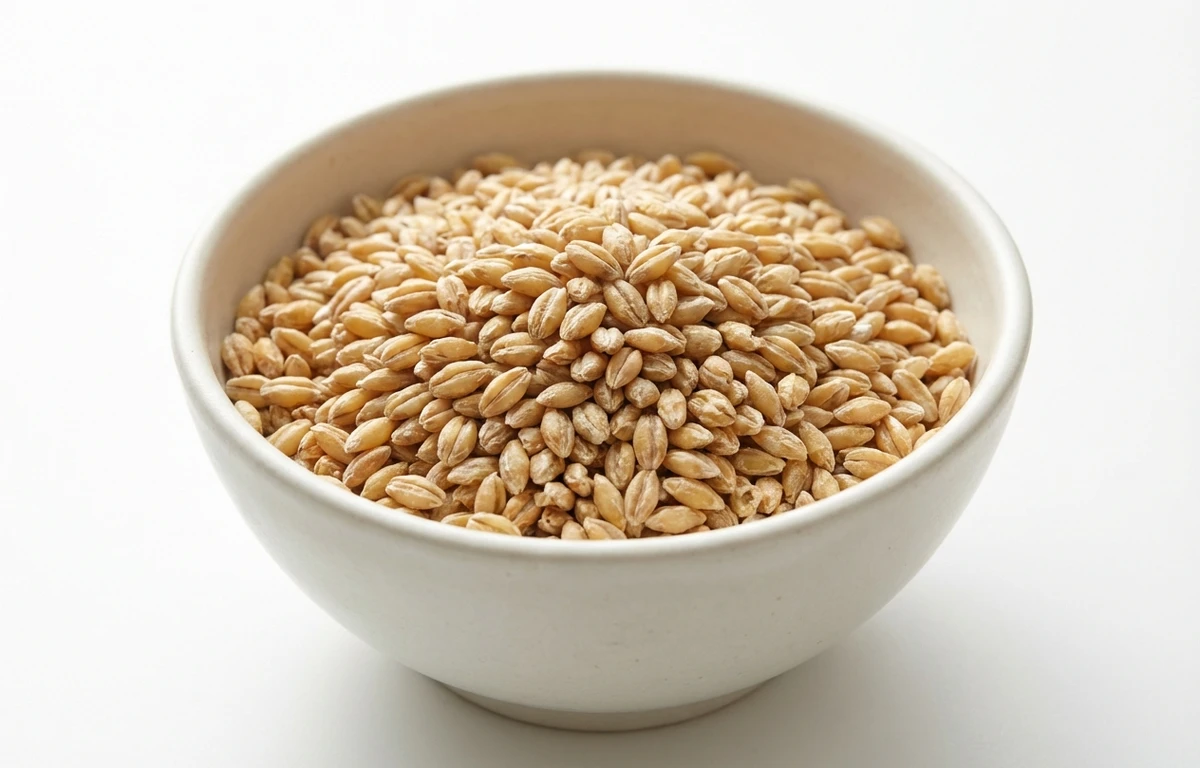
acidulated malt.
VegetarianVeganGluten-freeDairy-freeNut-freePeanut-freeSoy-freeEgg-freeShellfish-freeHoney-freeAlcohol-freeWhole grainFermented
SERVING
CALORIES
370
PROTEIN
11g
CARBS
78g
FAT
1.5g
FIBER
9.0g
NUTRITION PROFILE · per 100 g
Everything in this ingredient.
MACRONUTRIENTS
Calories370kcal—
Protein11g22%
Carbohydrates78g28%
Fiber9.0g32%
Sugar9.0g18%
Total fat1.5g2%
Saturated fat0.30g2%
Trans fat0g—
Cholesterol0mg0%
Water4.0g—
MINERALS
Sodium12mg1%
Potassium350mg7%
Calcium35mg3%
Iron3.6mg20%
Magnesium130mg31%
Phosphorus350mg28%
Zinc2.5mg23%
Copper0.40mg44%
Manganese1.8mg78%
Selenium38µg69%
VITAMINS
Vitamin A0µg0%
Vitamin C0mg0%
Vitamin D0µg0%
Vitamin E0.60mg4%
Vitamin K2.5µg2%
Thiamin (B1)0.40mg33%
Riboflavin (B2)0.20mg15%
Niacin (B3)5.5mg34%
Pantothenic acid (B5)0.50mg10%
Vitamin B60.50mg29%
Folate (B9)45µg11%
Vitamin B120µg0%
%DV based on a 2,000 cal diet. Source: USDA FoodData Central. A dash in the %DV column means there’s no established Daily Value for that nutrient.
MEASUREMENT CONVERSIONS
How much is what.
1 cup125g
1 tablespoon8g
1 teaspoon2.5g
HEALTH BENEFITS
Why eat it.
- ✓Primarily a functional ingredient in brewing, it lowers mash pH to optimize enzymatic activity, improving starch conversion and brewing efficiency.
- ✓Helps to lighten beer color and can improve the clarity and flavor stability of the final product.
- ✓Contributes a clean, crisp, and sometimes subtly tart flavor, enhancing the profile of beer styles like Pilsners, Helles, and Gose.
- ✓Allows brewers in regions with alkaline (hard) water to adjust their water chemistry naturally, adhering to the German Reinheitsgebot (Purity Law).
COOKING TIPS
In the kitchen.
- 1Use as a portion of the grain bill in brewing, typically 1-10%, to lower the pH of the mash. Each 1% of acidulated malt in the grist reduces the pH by approximately 0.1.
- 2Incorporate into recipes for light-colored lagers and ales to achieve a crisper, more refined flavor profile.
- 3Can be used to add a subtle, clean lactic tartness to sour beer styles like Berliner Weisse or Gose.
- 4No special preparation is needed; simply mill it along with your other malts before mashing in.
STORAGE
Keep it fresh.
- Store in a cool, dry, and dark place, ideally below 20°C (68°F), to preserve its quality and prevent spoilage.
- Keep in a sealed, airtight container to protect it from moisture, oxygen, and pests. If pre-milled, use within 3-6 months for optimal freshness.
FAQ
Frequently asked questions.
Is acidulated malt healthy?
Acidulated malt is primarily a functional brewing ingredient rather than a dietary staple. While it contains protein and carbohydrates, its main health-related benefit is optimizing the brewing process to improve beer clarity and flavor stability, which can reduce the need for chemical additives.
What is the nutritional profile of acidulated malt?
Per 100g, acidulated malt contains approximately 370 calories, 11g of protein, 78g of carbohydrates, and 1.5g of fat. It is a calorie-dense grain, though it is typically used in small percentages within a larger recipe.
Is acidulated malt gluten-free?
No, acidulated malt is not gluten-free. It is produced from malted barley, which naturally contains gluten, making it unsuitable for those with celiac disease or gluten sensitivities.
Is acidulated malt vegan and keto-friendly?
Acidulated malt is vegan as it is a plant-based grain product. However, it is not keto-friendly due to its high carbohydrate content (78g per 100g), which can interfere with ketosis if consumed in significant amounts.
What is the primary purpose of using acidulated malt in brewing?
Its main function is to lower the mash pH, which optimizes enzymatic activity and improves starch conversion efficiency. This is particularly useful for brewers using alkaline water who want to adjust chemistry naturally without using liquid acids.
Does acidulated malt make beer taste sour?
When used at low levels (1-5% of the grain bill), it provides a clean, crisp finish without perceived sourness. At higher concentrations, such as 10% or more, it can contribute a distinct tartness suitable for styles like Gose or Berliner Weisse.
How do you use acidulated malt in a recipe?
It is added to the mash along with other base and specialty grains. Generally, every 1% of acidulated malt added to the total grain bill reduces the mash pH by approximately 0.1 units.
What can I substitute for acidulated malt?
The most common substitutes are food-grade lactic acid or phosphoric acid added directly to the mash water. These provide the same pH-lowering effect without adding the extra grain volume or malt character.
How should acidulated malt be stored?
It should be stored in a cool, dry, and dark environment in an airtight container. Keeping it away from moisture is critical, as the lactic acid coating can make the grain more hygroscopic than standard malts.
How long does acidulated malt last?
When stored properly in its uncrushed form, acidulated malt typically lasts for 6 to 12 months. Once crushed, it should be used within 24 to 48 hours to prevent oxidation and loss of enzymatic potential.
RECIPES
Cook with acidulated malt.
1 recipes · sorted by what’s quick