Grain9 recipes
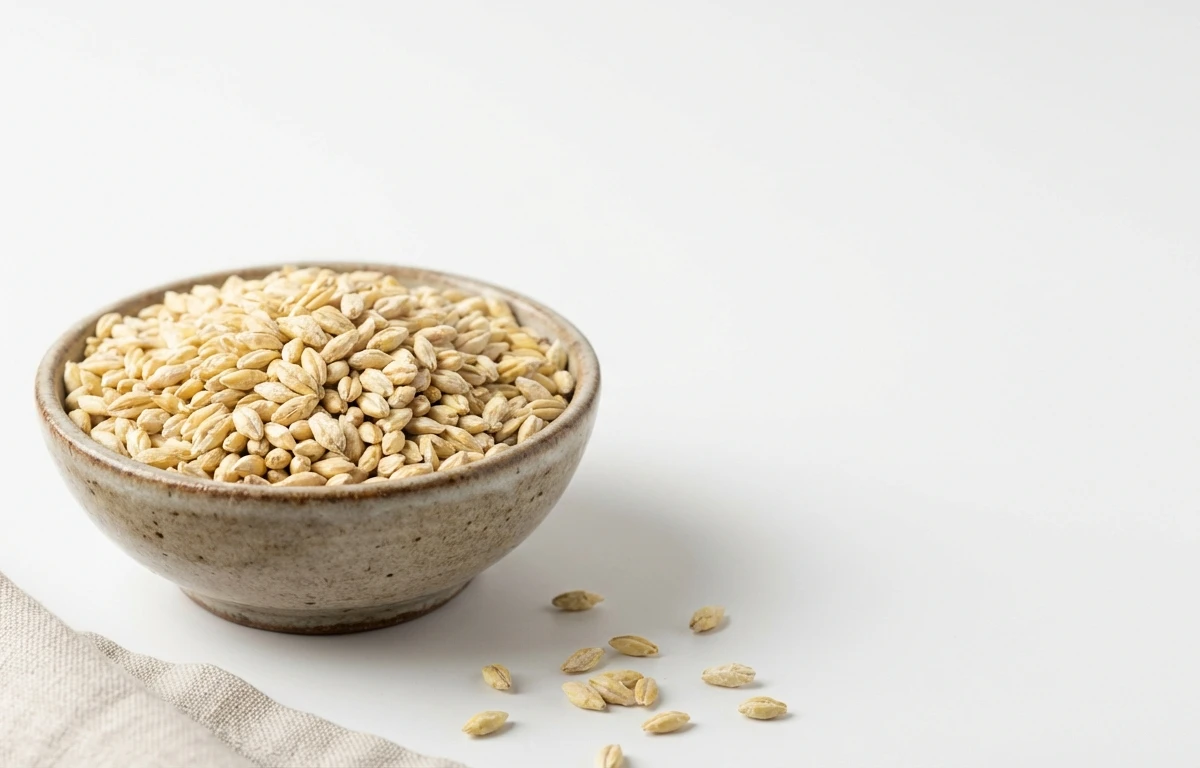
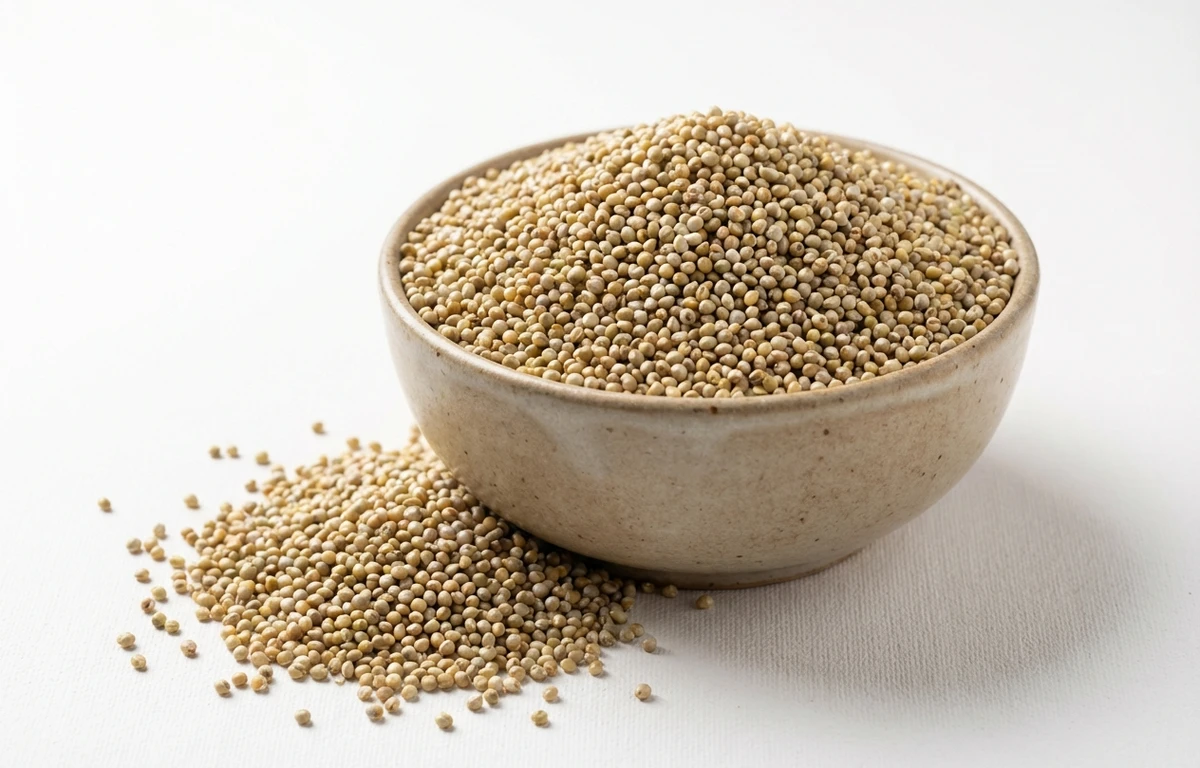
pearl millet.
VegetarianVeganGluten-freeDairy-freeNut-freePeanut-freeSoy-freeEgg-freeShellfish-freeHoney-freeAlcohol-freeWhole grain
ALSO KNOWN AS
bajracumbusajjalukambu
SERVING
CALORIES
378
PROTEIN
11.6g
CARBS
67.5g
FAT
4.8g
FIBER
8.5g
NUTRITION PROFILE · per 100 g
Everything in this ingredient.
MACRONUTRIENTS
Calories378kcal—
Protein11.6g23%
Carbohydrates67.5g25%
Fiber8.5g30%
Sugar0.50g1%
Total fat4.8g6%
Saturated fat0.70g3%
Trans fat0g—
Cholesterol0mg0%
Water8.7g—
MINERALS
Sodium5.0mg0%
Potassium195mg4%
Calcium8.0mg1%
Iron8.0mg44%
Magnesium114mg27%
Phosphorus285mg23%
Zinc3.1mg28%
Copper1.0mg111%
Manganese1.6mg70%
Selenium2.7µg5%
VITAMINS
Vitamin A0µg0%
Vitamin C0mg0%
Vitamin D0µg0%
Vitamin E0.05mg0%
Vitamin K0.90µg1%
Thiamin (B1)0.38mg32%
Riboflavin (B2)0.21mg16%
Niacin (B3)2.3mg14%
Pantothenic acid (B5)0.80mg16%
Vitamin B60.38mg22%
Folate (B9)45µg11%
Vitamin B120µg0%
%DV based on a 2,000 cal diet. Source: USDA FoodData Central. A dash in the %DV column means there’s no established Daily Value for that nutrient.
MEASUREMENT CONVERSIONS
How much is what.
1 cup180g
1 tablespoon11.3g
1 teaspoon3.8g
1 ml0.8g
1 liter750g
HEALTH BENEFITS
Why eat it.
- ✓Rich in iron and magnesium, which helps manage heart health and prevent anemia.
- ✓High in insoluble fiber, aiding digestion, promoting gut health, and preventing constipation.
- ✓Naturally gluten-free, making it an excellent grain choice for individuals with celiac disease or gluten intolerance.
- ✓Has a low glycemic index, which helps in the slow release of sugar into the bloodstream, beneficial for managing diabetes.
COOKING TIPS
In the kitchen.
- 1Always rinse pearl millet under cold water before cooking to remove any potential bitterness and debris.
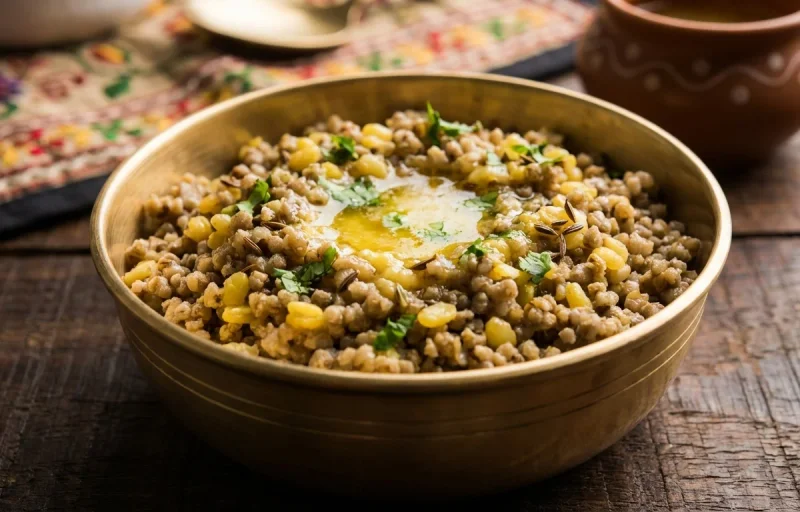
- 2For a fluffy texture, use a 1:2 ratio of millet to water or broth. Bring to a boil, then reduce heat, cover, and simmer for 20-25 minutes until the liquid is absorbed.
- 3Toast the dry grains in a skillet for 3-5 minutes before adding liquid to enhance their nutty flavor and aroma.
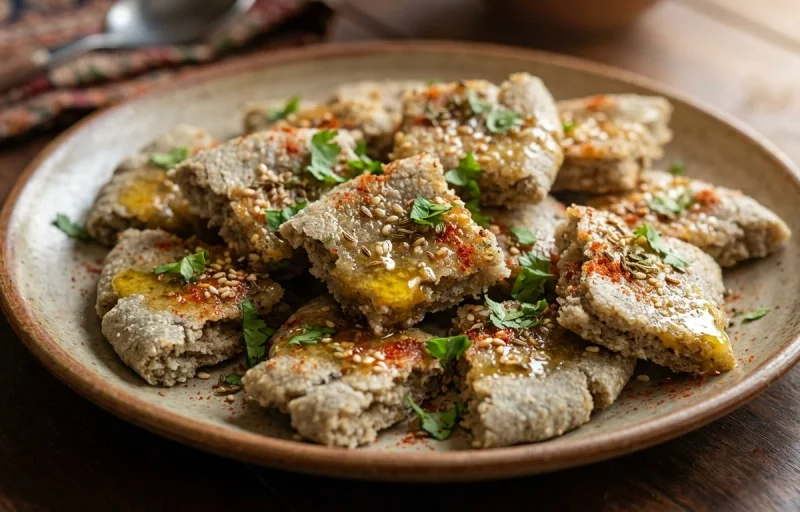
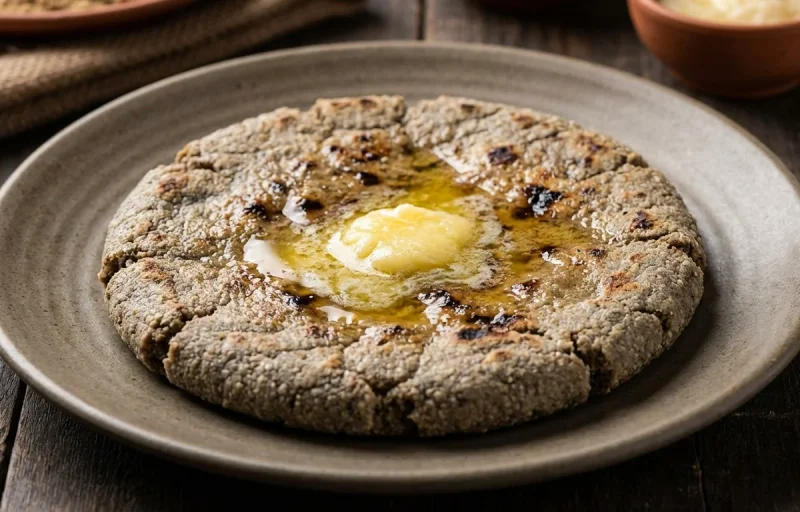
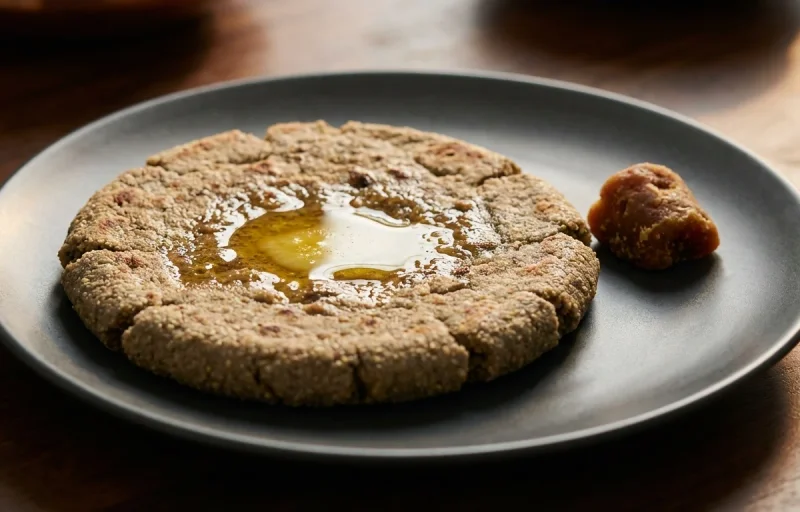
- 4Pearl millet flour is ideal for making traditional unleavened flatbreads like Indian 'bhakri' or 'roti'.
STORAGE
Keep it fresh.
- Store whole pearl millet in an airtight container in a cool, dark, and dry pantry for up to 6 months.
- For longer-term storage (up to a year), place the airtight container in the refrigerator or freezer to protect its natural oils from becoming rancid.
FAQ
Frequently asked questions.
What are the health benefits of pearl millet?
Pearl millet is highly nutritious, rich in iron and magnesium, which supports heart health and helps prevent anemia. Its high insoluble fiber content aids digestion and promotes gut health. Additionally, it has a low glycemic index, beneficial for managing blood sugar levels.
How much nutrition does pearl millet provide per 100g?
Per 100g, pearl millet contains approximately 378 calories, 11.6g of protein, 67.5g of carbohydrates, and 4.8g of fat. It's also a good source of essential minerals like iron and magnesium, contributing to overall well-being.
Is pearl millet good for weight loss?
Yes, pearl millet can be beneficial for weight loss. Its high fiber content promotes satiety, helping you feel full longer and potentially reducing overall calorie intake. The complex carbohydrates also provide sustained energy, preventing sudden hunger pangs.
Is pearl millet gluten-free?
Yes, pearl millet is naturally gluten-free. This makes it an excellent and safe grain choice for individuals with celiac disease, gluten sensitivity, or those following a gluten-free diet.
Can diabetics eat pearl millet?
Absolutely. Pearl millet has a low glycemic index, meaning it causes a slower and more gradual rise in blood sugar levels compared to refined grains. This property makes it a beneficial food for individuals managing diabetes.
How do you cook pearl millet?
Pearl millet can be cooked similarly to rice or quinoa. For whole grains, rinse and then boil with a 1:2 ratio of millet to water for about 20-25 minutes until tender. It's also commonly ground into flour to make flatbreads (like bajra roti) or porridges.
What does pearl millet taste like?
Pearl millet has a slightly nutty, earthy flavor and a chewy texture when cooked as a whole grain. Its taste is generally mild, making it versatile for both savory and sweet dishes, and it readily absorbs the flavors of accompanying ingredients.
How should I store pearl millet?
Store whole pearl millet grains in an airtight container in a cool, dry, and dark place, away from direct sunlight and moisture. If stored properly, it can last for several months. Pearl millet flour should also be stored in an airtight container and ideally used within a few weeks for best freshness.
What are common uses for pearl millet in cooking?
Pearl millet is very versatile. It's widely used to make traditional flatbreads (bajra roti) in India, porridges, and even fermented beverages. It can also be used as a substitute for rice or quinoa in pilafs, salads, or as a breakfast cereal.
Is pearl millet considered a whole grain?
Yes, when consumed in its unprocessed form, pearl millet is a whole grain. This means it retains all parts of the grain – the bran, germ, and endosperm – which are rich in fiber, vitamins, and minerals, contributing to its significant health benefits.
RECIPES
Cook with pearl millet.
9 recipes · sorted by what’s quick