Grain10 recipes
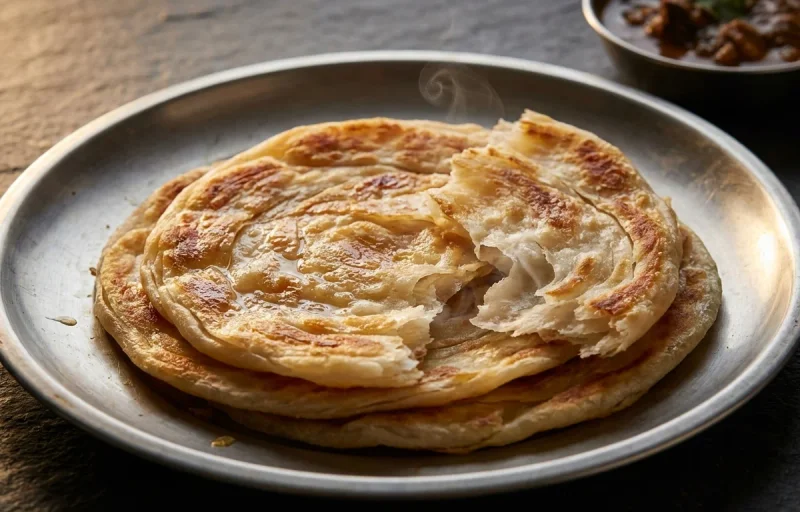
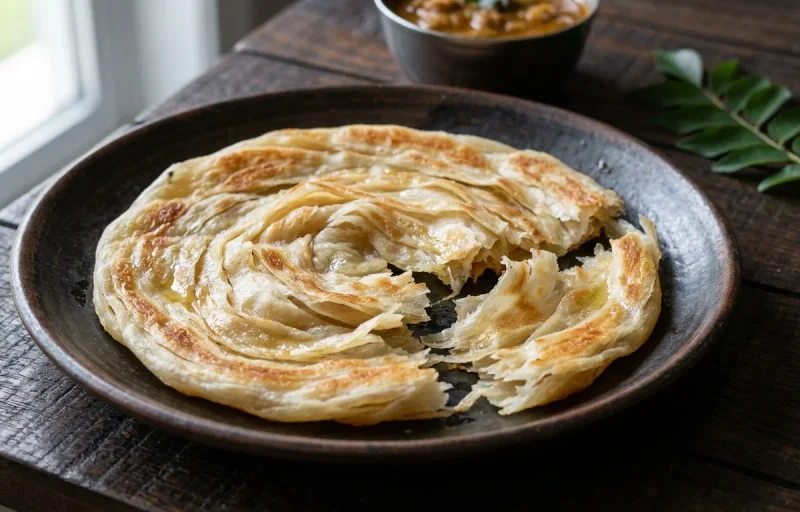
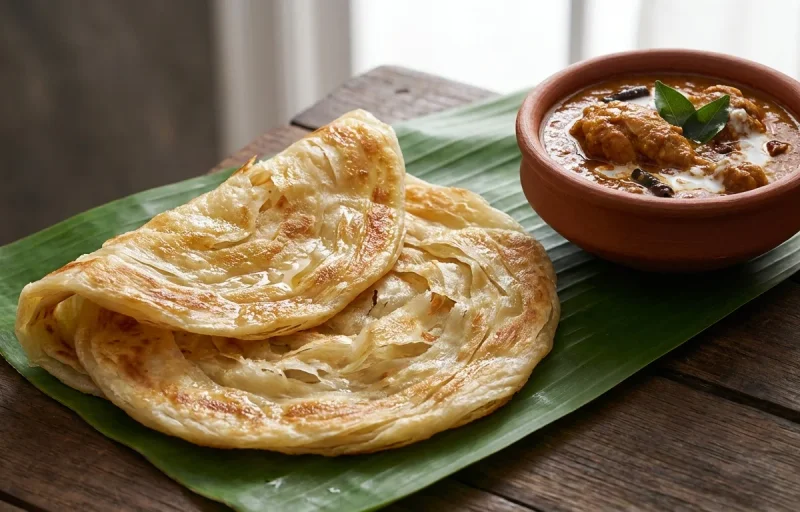
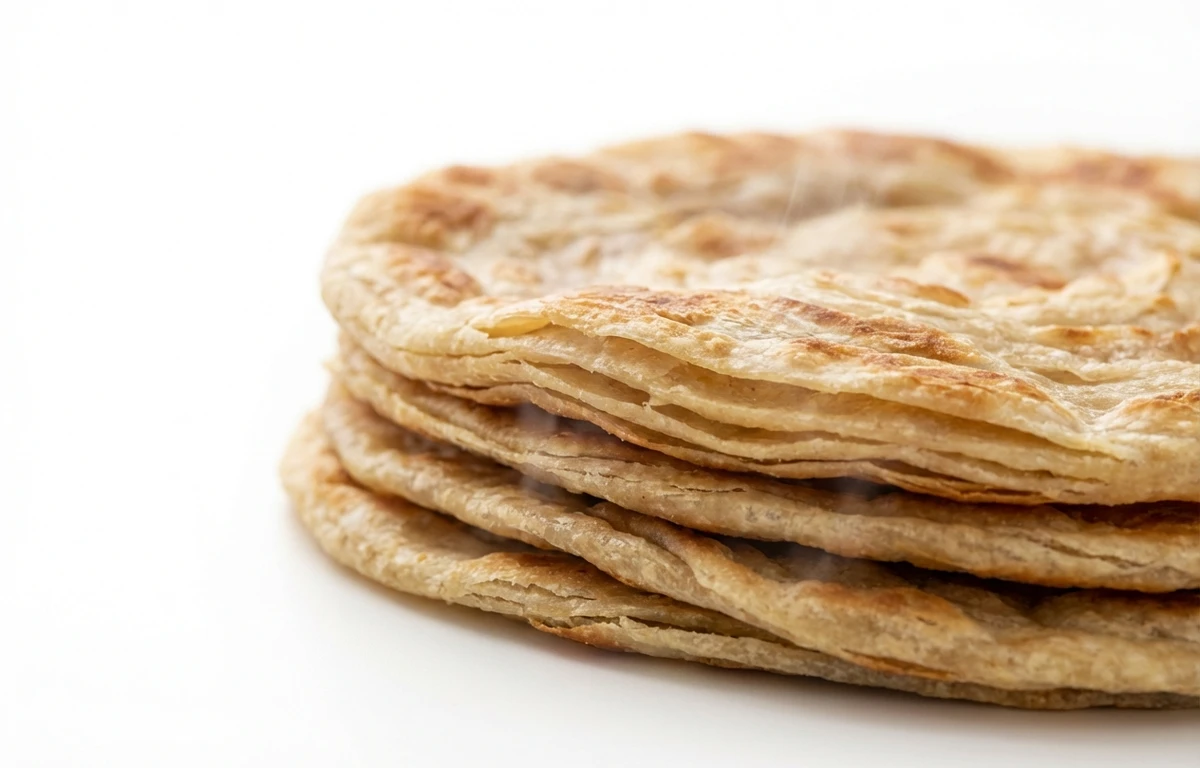
layered flatbread.
VegetarianVeganGluten-freeDairy-freeNut-freePeanut-freeSoy-freeEgg-freeShellfish-freeHoney-freeAlcohol-free
ALSO KNOWN AS
parottaparanthalachha paratha
SERVING
CALORIES
320
PROTEIN
7.5g
CARBS
40g
FAT
18g
FIBER
2.5g
NUTRITION PROFILE · per 100 g
Everything in this ingredient.
MACRONUTRIENTS
Calories320kcal—
Protein7.5g15%
Carbohydrates40g15%
Fiber2.5g9%
Sugar1.5g3%
Total fat18g23%
Saturated fat8.0g40%
Cholesterol15mg5%
Water30g—
MINERALS
Sodium350mg15%
Potassium150mg3%
Calcium20mg2%
Iron1.5mg8%
Magnesium17mg4%
Phosphorus60mg5%
Zinc0.40mg4%
Copper0.06mg7%
Manganese0.23mg10%
Selenium10.2µg19%
VITAMINS
Vitamin A0µg0%
Vitamin C0mg0%
Vitamin D0µg0%
Vitamin E0.20mg1%
Vitamin K0.70µg1%
Thiamin (B1)0.08mg7%
Riboflavin (B2)0.05mg4%
Niacin (B3)1.2mg8%
Pantothenic acid (B5)0.20mg4%
Vitamin B60.04mg2%
Folate (B9)30µg8%
Vitamin B120µg0%
%DV based on a 2,000 cal diet. Source: USDA FoodData Central. A dash in the %DV column means there’s no established Daily Value for that nutrient.
MEASUREMENT CONVERSIONS
How much is what.
1 piece80g
HEALTH BENEFITS
Why eat it.
- ✓Provides carbohydrates from grains, which are the body's primary source of energy.
- ✓If made with whole wheat flour, it is a good source of dietary fiber, aiding digestion and promoting satiety.
- ✓Often serves as a vehicle for nutrient-dense foods like lentils (dal), vegetables, and yogurt, enhancing the overall nutritional value of a meal.
- ✓Enriched flour versions supply essential B-vitamins such as niacin, thiamin, and folic acid.
COOKING TIPS
In the kitchen.
- 1To achieve distinct, flaky layers, ensure the dough is rolled thin and a generous amount of fat (like ghee, butter, or oil) is spread evenly before folding.
- 2Rest the dough for at least 30 minutes after kneading. This relaxes the gluten, making the dough more pliable and easier to roll out without tearing.
- 3Cook on a preheated medium-hot skillet or tawa, pressing gently with a spatula to encourage puffing, which helps separate the layers.
- 4Reheat by placing on a dry, hot skillet for about 30 seconds per side, or until soft and warm.
STORAGE
Keep it fresh.
- Store freshly cooked flatbreads stacked in a covered container or wrapped in a clean kitchen towel at room temperature for up to 2 days.
- For long-term storage, separate layers with parchment paper, place in a zip-top freezer bag, and freeze for up to 3 months.
FAQ
Frequently asked questions.
Is layered flatbread healthy?
Layered flatbread provides carbohydrates for energy and, if made with whole wheat flour, offers dietary fiber for digestion. It often serves as a vehicle for nutrient-dense foods like curries and vegetables, enhancing overall meal nutrition. However, due to its fat and calorie content (18g fat, 320 calories per 100g), it should be consumed in moderation.
How many calories and macronutrients are in layered flatbread?
Per 100g, layered flatbread typically contains approximately 320 calories, 7.5g protein, 40g carbohydrates, and 18g fat. These values can vary based on the specific ingredients used and the preparation method.
Is layered flatbread good for weight loss?
Given its relatively high calorie and fat content, layered flatbread should be consumed in moderation if you are aiming for weight loss. Opting for smaller portions or choosing versions made with less oil or ghee can help manage calorie intake.
Is layered flatbread vegan?
Traditional layered flatbreads often incorporate ghee (clarified butter) or butter, making them not vegan. However, vegan versions made with plant-based oils or fats are available in some markets or can be prepared at home.
Is layered flatbread gluten-free?
Most layered flatbreads are made from wheat flour, which contains gluten. Therefore, they are generally not suitable for individuals following a gluten-free diet. Gluten-free alternatives would need to be specifically made with gluten-free flours.
Can diabetics eat layered flatbread?
Layered flatbreads are high in carbohydrates (40g per 100g), which can affect blood sugar levels. Diabetics should consume them in controlled portions and ideally choose versions made with whole wheat flour, as its higher fiber content can help moderate the glycemic response.
How do you cook or reheat layered flatbread?
Layered flatbreads are typically cooked on a hot griddle or tawa with a little oil until golden brown and flaky. To reheat, warm them on a dry pan over medium heat for a minute or two per side until they are soft and thoroughly warmed through.
What does layered flatbread taste like and what is it served with?
Layered flatbreads have a rich, slightly savory taste with a distinctive flaky and chewy texture due to their many layers. They are commonly served alongside various curries, lentil dishes (dal), yogurt, pickles, or even as a breakfast item with eggs.
How do you store layered flatbread and how long does it last?
Freshly made layered flatbread can be stored at room temperature in an airtight container for 1-2 days. For extended freshness, refrigerate for up to 5 days or freeze for up to 2-3 months. Always thaw frozen flatbreads before reheating.
What gives layered flatbread its distinctive layers?
The characteristic layers are created by repeatedly folding and rolling the dough with fat (such as oil, ghee, or butter) in between each fold. This process traps air and fat, which then separate during cooking, resulting in the signature flaky texture.
RECIPES
Cook with layered flatbread.
10 recipes · sorted by what’s quick