Protein
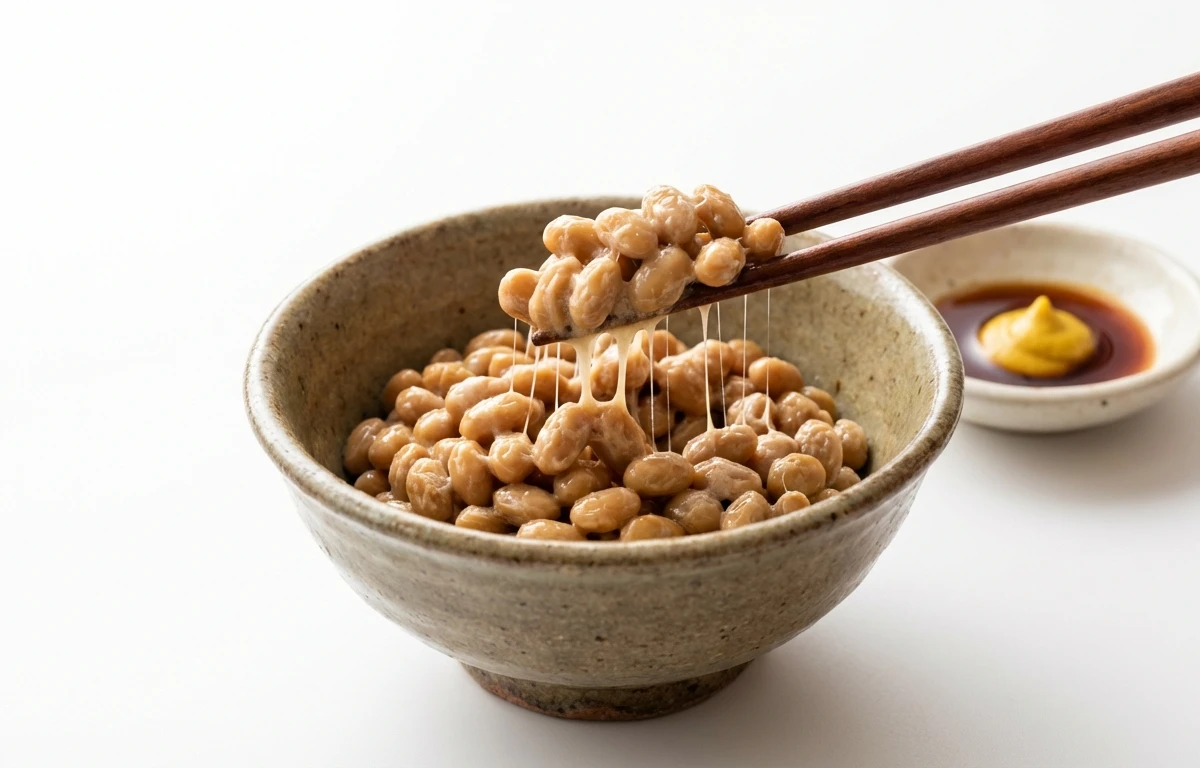
fermented soybeans.
VegetarianVeganGluten-freeDairy-freeNut-freePeanut-freeSoy-freeEgg-freeShellfish-freeHoney-freeAlcohol-freeFermented
ALSO KNOWN AS
fermented soy beans
SERVING
CALORIES
212
PROTEIN
17.7g
CARBS
14.4g
FAT
11g
FIBER
5.4g
NUTRITION PROFILE · per 100 g
Everything in this ingredient.
MACRONUTRIENTS
Calories212kcal—
Protein17.7g35%
Carbohydrates14.4g5%
Fiber5.4g19%
Sugar4.9g10%
Total fat11g14%
Saturated fat1.6g8%
Trans fat0g—
Cholesterol0mg0%
Water60.4g—
MINERALS
Sodium7.0mg0%
Potassium420mg9%
Calcium217mg17%
Iron8.6mg48%
Magnesium220mg52%
Phosphorus190mg15%
Zinc2.5mg23%
Copper0.49mg54%
Manganese1.5mg65%
Selenium12.1µg22%
VITAMINS
Vitamin A0µg0%
Vitamin C0mg0%
Vitamin D0µg0%
Vitamin E0.87mg6%
Vitamin K23.1µg19%
Thiamin (B1)0.10mg8%
Riboflavin (B2)0.20mg15%
Niacin (B3)2.8mg18%
Pantothenic acid (B5)0.30mg6%
Vitamin B60.20mg12%
Folate (B9)190µg48%
Vitamin B120.10µg4%
%DV based on a 2,000 cal diet. Source: USDA FoodData Central. A dash in the %DV column means there’s no established Daily Value for that nutrient.
MEASUREMENT CONVERSIONS
How much is what.
1 cup175g
1 tablespoon11g
1 teaspoon3.7g
1 ml0.7g
1 liter733.3g
HEALTH BENEFITS
Why eat it.
- ✓Promotes gut health due to the presence of probiotics, which support a healthy microbiome.
- ✓Enhances nutrient bioavailability by reducing anti-nutrients like phytates, improving the absorption of minerals like iron and zinc.
- ✓Excellent source of Vitamin K2 (especially in natto), which is vital for bone health and cardiovascular function.
- ✓Provides a high-quality, complete plant-based protein containing all nine essential amino acids.
COOKING TIPS
In the kitchen.
- 1To reduce bitterness and improve flavor absorption in tempeh, steam or simmer it for 10 minutes before marinating or pan-frying.
- 2Add miso paste at the very end of cooking and avoid boiling it to preserve its delicate flavor and beneficial probiotic cultures.
- 3Use fermented soybean products like miso or fermented black beans to add a deep, savory umami flavor to sauces, marinades, and soups.
- 4Natto is traditionally served raw over rice; stir it vigorously to develop its characteristic sticky strings before adding condiments like soy sauce and mustard.
STORAGE
Keep it fresh.
- Refrigerate fresh products like tempeh and natto in their original packaging and consume within 5-7 days of opening.
- Store miso paste in an airtight container in the refrigerator, where it can last for up to a year while retaining its quality.
- Tempeh can be frozen for up to 6 months; wrap it tightly to prevent freezer burn.
FAQ
Frequently asked questions.
Is fermented soybeans healthy?
Yes, fermented soybeans are highly nutritious. They are an excellent source of complete plant-based protein, beneficial probiotics for gut health, and essential nutrients like Vitamin K2, iron, and zinc. The fermentation process also enhances nutrient absorption by reducing anti-nutrients.
What are the nutritional benefits of fermented soybeans?
Fermented soybeans offer several benefits, including promoting gut health due to probiotics and enhancing the bioavailability of minerals like iron and zinc. They are also a significant source of Vitamin K2, crucial for bone and cardiovascular health, and provide high-quality plant protein containing all nine essential amino acids.
How much protein is in fermented soybeans?
Per 100 grams, fermented soybeans typically contain about 17.7 grams of protein. This makes them a substantial source of complete plant-based protein, providing all nine essential amino acids necessary for the body.
Are fermented soybeans vegan and gluten-free?
Yes, fermented soybeans are inherently vegan as they are plant-based. Regarding gluten-free, pure fermented soybean products like natto and most tempeh are gluten-free. However, always check labels, as some miso pastes or tempeh brands might contain gluten if wheat or barley is used in the fermentation starter or other additives.
Can diabetics eat fermented soybeans?
Yes, fermented soybeans can be a good option for diabetics. They have a relatively low glycemic index, are rich in protein (17.7g/100g) and fiber, which can help manage blood sugar levels and promote satiety. However, portion control is still important due to their carbohydrate content (14.4g/100g).
What are the common forms of fermented soybeans and how are they used in cooking?
Common forms include tempeh (a firm, cake-like product used in stir-fries, sandwiches, or grilled), natto (sticky, pungent beans often eaten with rice), and miso (a paste used in soups, marinades, and dressings). Each form offers unique textures and flavors for diverse culinary applications.
What do fermented soybeans taste like?
The taste varies significantly by product. Tempeh has a firm, nutty, and earthy flavor. Natto is known for its strong, pungent aroma and sticky texture, with a savory, slightly bitter taste. Miso offers a rich, salty, and umami flavor, ranging from sweet and mild to robust and deeply savory depending on the type.
Do fermented soybeans contain probiotics?
Yes, many forms of fermented soybeans, such as natto, tempeh, and unpasteurized miso, are excellent sources of beneficial probiotics. These live microorganisms contribute to a healthy gut microbiome, aiding digestion and supporting overall immune function.
How should you store fermented soybeans?
Most fermented soybean products, like tempeh and natto, should be stored in the refrigerator and consumed by their 'best by' date. Miso paste can last for several months in the refrigerator due to its high salt content. Some products, like tempeh, can also be frozen for longer storage.
Are fermented soybeans good for weight loss?
Fermented soybeans can be beneficial for weight management. They are high in protein (17.7g/100g) and fiber, which promote satiety and can help reduce overall calorie intake. While they contain healthy fats (11g/100g) and calories (212cal/100g), their nutrient density makes them a satisfying and healthy addition to a balanced diet.
RECIPES
Cook with fermented soybeans.
0 recipes · sorted by what’s quick