Spice7 recipes
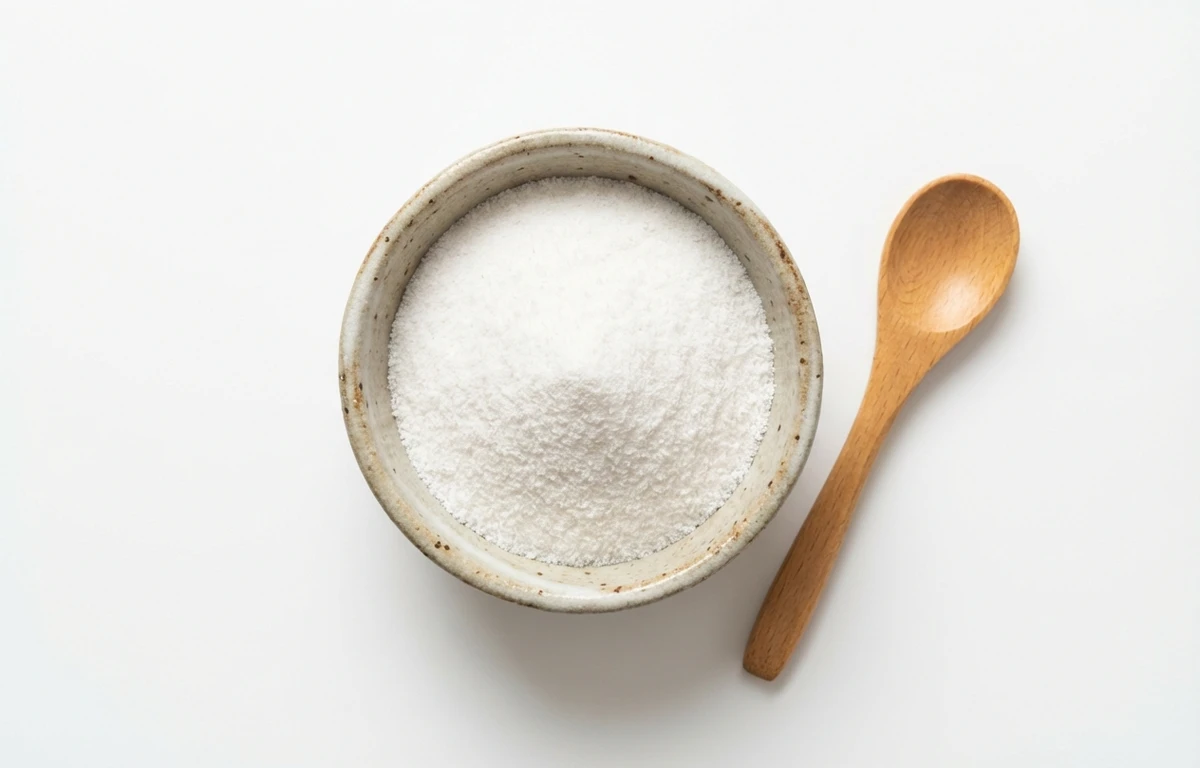
alkaline salt.
VegetarianVeganGluten-freeDairy-freeNut-freePeanut-freeSoy-freeEgg-freeShellfish-freeHoney-freeAlcohol-free
ALSO KNOWN AS
papad kharpapadkhar
SERVING
CALORIES
0
PROTEIN
0g
CARBS
0g
FAT
0g
FIBER
0g
NUTRITION PROFILE · per 100 g
Everything in this ingredient.
MACRONUTRIENTS
Calories0kcal—
Protein0g0%
Carbohydrates0g0%
Fiber0g0%
Sugar0g0%
Total fat0g0%
Saturated fat0g0%
Trans fat0g—
Cholesterol0mg0%
Water0.20g—
MINERALS
Sodium38758mg1685%
Potassium8.0mg0%
Calcium24mg2%
Iron0.33mg2%
Magnesium1.0mg0%
Phosphorus0mg0%
Zinc0.10mg1%
Copper0.03mg3%
Manganese0.10mg4%
Selenium0.10µg0%
VITAMINS
Vitamin A0µg0%
Vitamin C0mg0%
Vitamin D0µg0%
Vitamin E0mg0%
Vitamin K0µg0%
Thiamin (B1)0mg0%
Riboflavin (B2)0mg0%
Niacin (B3)0mg0%
Pantothenic acid (B5)0mg0%
Vitamin B60mg0%
Folate (B9)0µg0%
Vitamin B120µg0%
%DV based on a 2,000 cal diet. Source: USDA FoodData Central. A dash in the %DV column means there’s no established Daily Value for that nutrient.
MEASUREMENT CONVERSIONS
How much is what.
1 cup292g
1 tablespoon18g
1 teaspoon6g
1 ml1.2g
1 liter1200g
HEALTH BENEFITS
Why eat it.
- ✓Enhances the texture of noodles, creating a characteristic springy and chewy quality in ramen.
- ✓Promotes the Maillard reaction, resulting in a deep brown, crisp crust on baked goods like pretzels.
- ✓Acts as a preservative and curing agent in traditional preparations like century eggs and some types of olives.
- ✓Alters the color of doughs, giving certain noodles and breads a yellowish hue.
COOKING TIPS
In the kitchen.
- 1Use in very small, precise amounts as directed by a recipe, as overuse can impart a soapy flavor and be unsafe.
- 2When handling concentrated forms like lye, always wear gloves and eye protection to prevent chemical burns.
- 3Dissolve the alkaline salt in the liquid portion of the recipe first to ensure it is evenly distributed throughout the final product.
- 4Avoid using aluminum cookware, bowls, or utensils, as the alkaline solution can react with the metal, causing discoloration and a metallic taste.
STORAGE
Keep it fresh.
- Store in a tightly sealed, clearly labeled, non-reactive container (glass or food-grade plastic) in a cool, dry place.
- Keep out of reach of children and pets, as concentrated forms like lye water are caustic and hazardous if ingested or touched.
FAQ
Frequently asked questions.
Is alkaline salt healthy?
Alkaline salt is a food additive used primarily for its chemical properties rather than nutritional value. While safe in the small amounts required for recipes, it is highly caustic in concentrated form and should be handled carefully. It does not provide essential vitamins or minerals to the diet.
How many calories and macronutrients are in alkaline salt?
Alkaline salt contains 0 calories, 0g of protein, 0g of carbohydrates, and 0g of fat per 100g. It is a mineral-based processing agent that does not contribute to the caloric or macronutrient density of your meals.
Is alkaline salt vegan and gluten-free?
Yes, alkaline salt is both vegan and gluten-free. It is composed of mineral compounds like sodium carbonate and potassium carbonate, containing no animal-derived ingredients or wheat proteins.
Can I use alkaline salt on a low-sodium diet?
Alkaline salt often contains sodium carbonate, which contributes to total sodium intake. While used in very small quantities compared to table salt, individuals on strict low-sodium diets should use it sparingly or look for potassium-only versions.
What does alkaline salt do to the texture of noodles?
Alkaline salt increases the pH of the dough, which strengthens the gluten bonds. This results in the characteristic springy, firm, and chewy texture found in traditional ramen and other Asian wheat noodles.
Why do my noodles turn yellow when I use alkaline salt?
The salt reacts with natural pigments called flavonoids found in wheat flour. This chemical reaction shifts the pigments from colorless to a distinct yellow hue, providing the classic look of ramen without needing eggs or artificial coloring.
Can I substitute regular table salt for alkaline salt?
No, table salt is chemically neutral and will not provide the necessary pH shift. If you cannot find alkaline salt, you can create a substitute by baking regular baking soda in the oven at 250°F (120°C) for an hour to convert it into sodium carbonate.
How is alkaline salt used in baking pretzels?
It is used in a water bath to dip the dough before baking. The high alkalinity promotes the Maillard reaction on the surface, which creates the deep brown color, shiny finish, and distinct crusty texture associated with authentic pretzels.
How should I store alkaline salt?
Store alkaline salt in an airtight container in a cool, dry place. It is highly sensitive to moisture and can clump or lose its potency if it absorbs humidity from the air.
Does alkaline salt expire?
Alkaline salts are chemically stable and do not expire in terms of safety. However, over several years, they may lose some effectiveness if exposed to air and moisture, so it is best to use them within 2-3 years for optimal results.
RECIPES
Cook with alkaline salt.
7 recipes · sorted by what’s quick