Dairy10 recipes
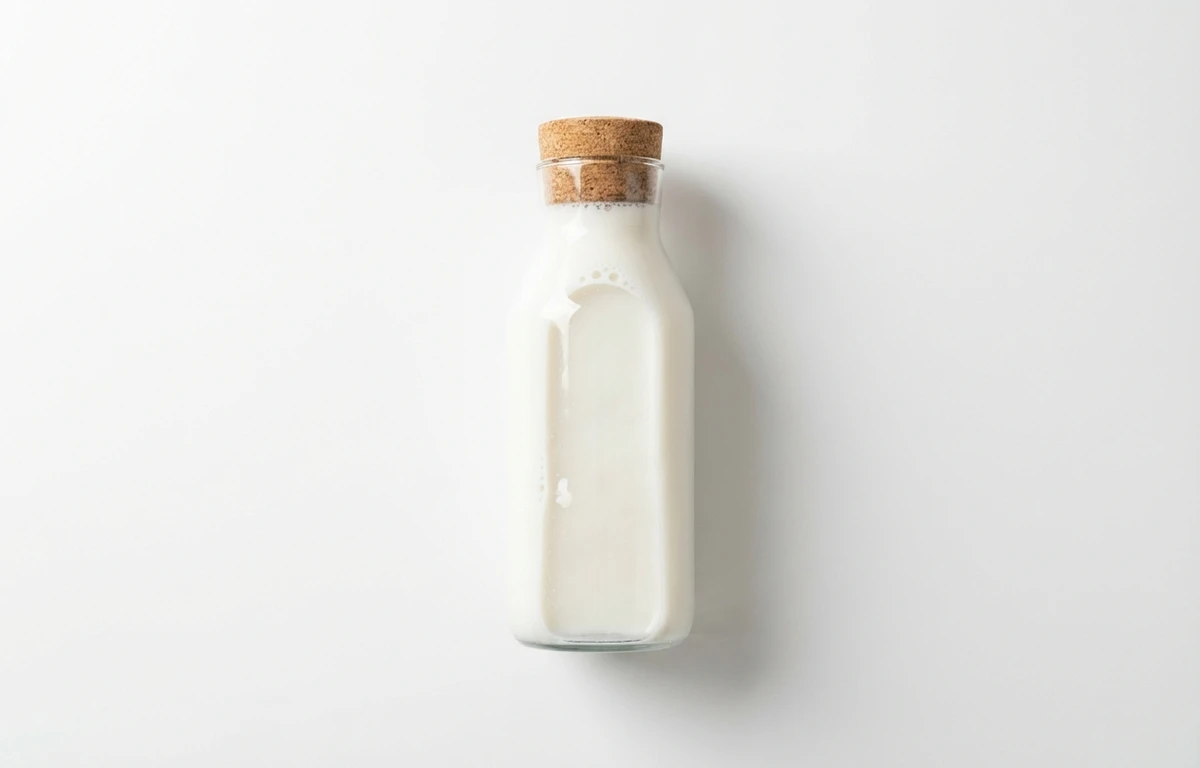
thin coconut milk.
VegetarianVeganGluten-freeDairy-freeNut-freePeanut-freeSoy-freeEgg-freeShellfish-freeHoney-freeAlcohol-free
ALSO KNOWN AS
light coconut milk
SERVING
CALORIES
31
PROTEIN
0.21g
CARBS
2.9g
FAT
2.1g
FIBER
0.10g
NUTRITION PROFILE · per 100 g
Everything in this ingredient.
MACRONUTRIENTS
Calories31kcal—
Protein0.21g0%
Carbohydrates2.9g1%
Fiber0.10g0%
Sugar2.5g5%
Total fat2.1g3%
Saturated fat2.1g10%
Trans fat0g—
Cholesterol0mg0%
Water94.6g—
MINERALS
Sodium19mg1%
Potassium19mg0%
Calcium16mg1%
Iron0.30mg2%
Magnesium0mg0%
Phosphorus0mg0%
Zinc0mg0%
Copper0mg0%
Selenium0µg0%
VITAMINS
Vitamin A0µg0%
Vitamin C1.0mg1%
Vitamin D0µg0%
Vitamin E0mg0%
Vitamin K0µg0%
Thiamin (B1)0mg0%
Riboflavin (B2)0mg0%
Niacin (B3)0mg0%
Vitamin B60mg0%
Folate (B9)0µg0%
Vitamin B121.3µg52%
%DV based on a 2,000 cal diet. Source: USDA FoodData Central. A dash in the %DV column means there’s no established Daily Value for that nutrient.
MEASUREMENT CONVERSIONS
How much is what.
1 cup240g
1 tablespoon15g
1 teaspoon5g
1 ml1g
1 liter1000g
HEALTH BENEFITS
Why eat it.
- ✓Provides a lactose-free alternative to dairy milk, suitable for individuals with lactose intolerance.
- ✓Contains Medium-Chain Triglycerides (MCTs), a type of fat that is more readily used by the body for energy.
- ✓Source of lauric acid, a fatty acid studied for its potential antimicrobial properties.
- ✓Contains electrolytes like potassium and magnesium, which support hydration and muscle function.
COOKING TIPS
In the kitchen.
- 1Use as a liquid base for lighter curries, soups, and stews where a creamy but not overly rich texture is desired.
- 2To prevent curdling in hot dishes, add it towards the end of the cooking process and heat gently without boiling.
- 3Its lighter consistency is ideal for smoothies, lattes, and other beverages.
- 4Substitute for water or broth when cooking rice or quinoa to add a subtle, creamy flavor.
STORAGE
Keep it fresh.
- Store unopened cans or cartons in a cool, dark pantry at room temperature until the expiration date.
- Once opened, transfer to an airtight, non-metallic container and refrigerate for up to 5 days.
- For longer storage, freeze leftover coconut milk in an ice cube tray and use within 3 months.
FAQ
Frequently asked questions.
Is thin coconut milk healthy?
Yes, thin coconut milk is a healthy, low-calorie dairy alternative. It contains Medium-Chain Triglycerides (MCTs) for quick energy and lauric acid, which may have antimicrobial properties. It also provides essential electrolytes like potassium and magnesium to support muscle function.
How many calories and carbs are in thin coconut milk?
Thin coconut milk is quite light, containing approximately 31 calories per 100g. It is low in carbohydrates with about 2.92g and contains roughly 2.08g of fat, making it a much lighter option than thick coconut milk or heavy cream.
Is thin coconut milk good for weight loss?
Thin coconut milk can be beneficial for weight loss because it is low in calories while still providing a creamy texture to dishes. The MCTs found in coconut milk are also more readily used by the body for energy rather than being stored as fat.
Is thin coconut milk vegan and gluten-free?
Yes, thin coconut milk is naturally vegan as it is derived entirely from plants. It is also naturally gluten-free, making it a safe choice for individuals with celiac disease or gluten sensitivities.
Is thin coconut milk keto-friendly?
Yes, thin coconut milk is keto-friendly. With only 2.92g of carbs per 100g, it can easily fit into a low-carb or ketogenic diet, though it has less fat than the 'thick' version often preferred by keto dieters for high-fat macros.
What is the difference between thin and thick coconut milk?
Thick coconut milk comes from the first pressing of coconut meat and is very high in fat and creaminess. Thin coconut milk is produced from subsequent pressings or by diluting thick milk with water, resulting in a more fluid consistency and lower calorie count.
How do I use thin coconut milk in cooking?
Thin coconut milk is best used as a base for soups, light curries, and stews where a thinner consistency is desired. It is also excellent for cooking grains like rice or quinoa, adding a subtle coconut aroma without excessive richness.
Can I substitute thin coconut milk for regular dairy milk?
Yes, thin coconut milk is an excellent 1:1 substitute for dairy milk in most recipes, including smoothies, cereal, and baking. It is particularly useful for those who are lactose intolerant, though it will add a mild coconut flavor to the dish.
How should I store thin coconut milk and how long does it last?
Once opened, thin coconut milk should be refrigerated in an airtight container and used within 3 to 5 days. If you cannot finish it in time, you can freeze it in ice cube trays for later use in smoothies or sauces.
Is thin coconut milk lactose-free?
Yes, thin coconut milk is 100% lactose-free. Since it is a plant-based liquid extracted from coconut flesh, it contains no animal milk sugars, making it ideal for those with lactose intolerance or dairy allergies.
RECIPES
Cook with thin coconut milk.
10 recipes · sorted by what’s quick