Protein3 recipes
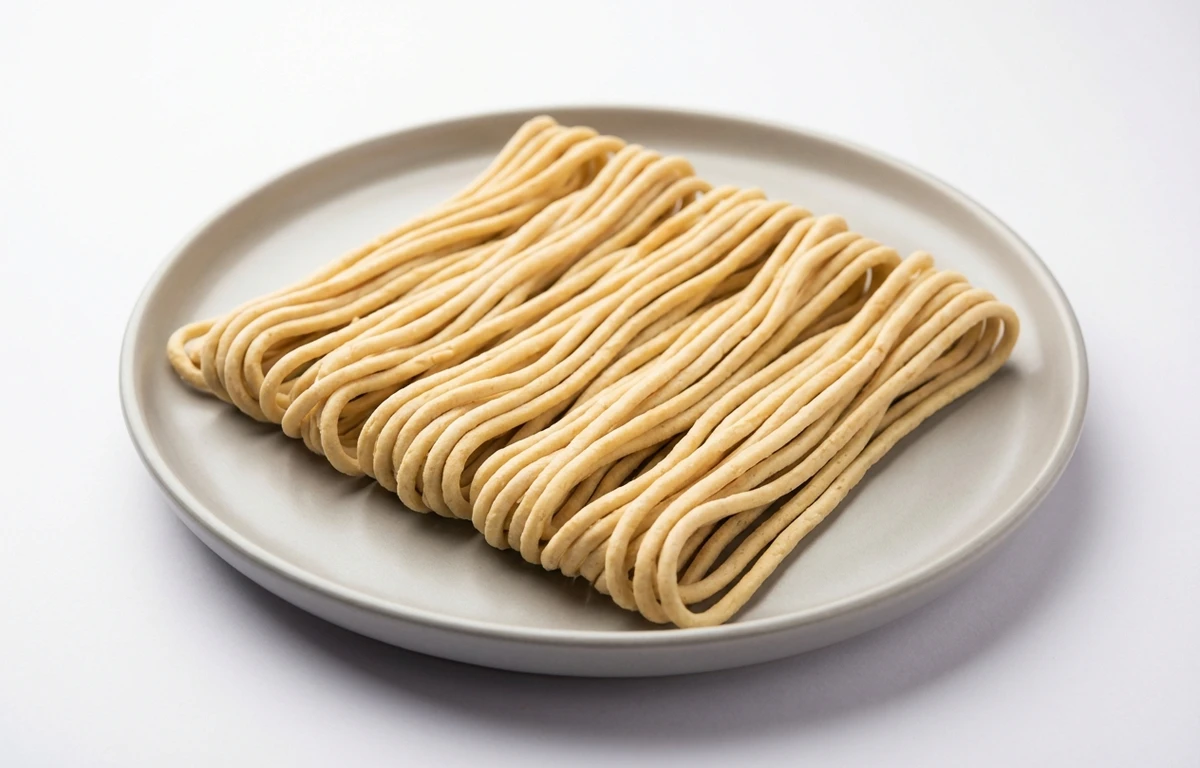
thick chickpea flour noodles.
VegetarianVeganGluten-freeDairy-freeNut-freePeanut-freeSoy-freeEgg-freeShellfish-freeHoney-freeAlcohol-free
ALSO KNOWN AS
thick shevthick sevmotta sevgathiya
SERVING
CALORIES
550
PROTEIN
14g
CARBS
48g
FAT
38g
FIBER
6.0g
NUTRITION PROFILE · per 100 g
Everything in this ingredient.
MACRONUTRIENTS
Calories550kcal—
Protein14g28%
Carbohydrates48g17%
Fiber6.0g21%
Sugar2.0g4%
Total fat38g49%
Saturated fat12g60%
Trans fat0g—
Cholesterol0mg0%
Water3.0g—
MINERALS
Sodium500mg22%
Potassium300mg6%
Calcium30mg2%
Iron2.0mg11%
Magnesium166mg40%
Phosphorus318mg25%
Zinc2.8mg26%
Copper0.91mg101%
Manganese1.6mg70%
Selenium8.3µg15%
VITAMINS
Vitamin A0µg0%
Vitamin C0mg0%
Vitamin D0µg0%
Vitamin E0.83mg6%
Vitamin K9.1µg8%
Thiamin (B1)0.49mg41%
Riboflavin (B2)0.11mg8%
Niacin (B3)1.8mg11%
Pantothenic acid (B5)0.61mg12%
Vitamin B60.49mg29%
Folate (B9)437µg109%
Vitamin B120µg0%
%DV based on a 2,000 cal diet. Source: USDA FoodData Central. A dash in the %DV column means there’s no established Daily Value for that nutrient.
MEASUREMENT CONVERSIONS
How much is what.
1 cup92g
1 tablespoon5.8g
1 teaspoon1.9g
1 ml0.4g
1 liter383.3g
HEALTH BENEFITS
Why eat it.
- ✓Good source of plant-based protein and fiber, which can contribute to satiety.
- ✓Naturally gluten-free, making it suitable for individuals with celiac disease or gluten intolerance.
- ✓Provides some essential minerals like iron and magnesium, important for energy and overall health.
COOKING TIPS
In the kitchen.
- 1Serve directly as a crunchy snack.
- 2Use as a topping for various Indian street foods like chaat, bhel puri, or poha to add texture and flavor.
- 3Can be incorporated into homemade snack mixes (namkeen) with nuts, spices, and other fried ingredients.
STORAGE
Keep it fresh.
- Store in an airtight container in a cool, dry place away from direct sunlight to maintain crispness.
- Consume within a few weeks of opening for best quality.
FAQ
Frequently asked questions.
Are thick chickpea flour noodles healthy?
While they provide plant-based protein and fiber, these noodles are calorie-dense and high in fat due to the frying process. They are best enjoyed in moderation as a savory snack rather than a health food.
How much protein is in thick chickpea flour noodles?
These noodles contain approximately 14g of protein per 100g. This is relatively high for a snack food, making them more satiating than many potato-based or corn-based alternatives.
Are thick chickpea flour noodles gluten-free?
Yes, they are naturally gluten-free as they are made from chickpea flour (besan). They are an excellent snack choice for individuals with celiac disease or gluten intolerance, provided they are processed in a gluten-free facility.
Are these noodles vegan?
Most traditional recipes are vegan, consisting of chickpea flour, water, oil, and spices. However, you should always check the label for ingredients like ghee (clarified butter) or milk solids which are occasionally added for flavor.
Are thick chickpea flour noodles good for weight loss?
They are not ideal for weight loss because they contain 550 calories and 38g of fat per 100g. While the fiber and protein help with fullness, the high energy density makes it easy to consume excess calories quickly.
What do thick chickpea flour noodles taste like?
They have a distinctively nutty, savory flavor from the roasted chickpea flour. They are usually seasoned with spices like carom seeds (ajwain), black pepper, or turmeric, giving them a warm, earthy taste with a crunchy texture.
How are these noodles typically eaten?
They are most commonly enjoyed as a standalone crunchy snack, often served with tea. They can also be used as a textured topping for salads, soups, or traditional Indian dishes like poha and chaat.
How should I store thick chickpea flour noodles?
Store them in an airtight container in a cool, dry place to prevent them from becoming soft or stale. When kept away from moisture and direct sunlight, they typically stay fresh for 2 to 4 weeks.
Can diabetics eat thick chickpea flour noodles?
Diabetics should consume them in small portions. Although chickpea flour has a lower glycemic index than refined wheat, the high carbohydrate content (48g per 100g) can still impact blood sugar levels.
How do I know if the noodles have gone bad?
The most common sign of spoilage is a rancid or 'off' smell, which happens when the high oil content oxidizes. Additionally, if the noodles lose their crunch and become soft or chewy, they are no longer fresh.
RECIPES
Cook with thick chickpea flour noodles.
3 recipes · sorted by what’s quick