Dairy10 recipes
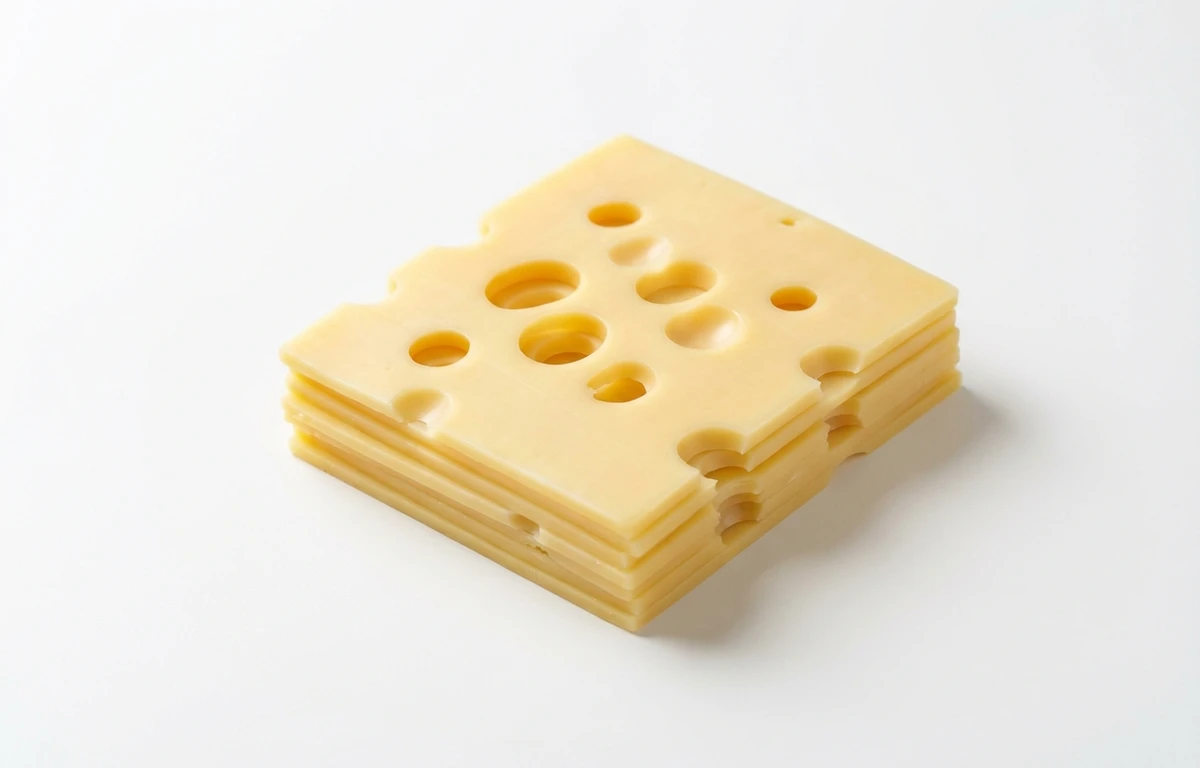
swiss cheese.
VegetarianVeganGluten-freeDairy-freeNut-freePeanut-freeSoy-freeEgg-freeShellfish-freeHoney-freeAlcohol-freeFermented
ALSO KNOWN AS
Emmental cheeseSwiss
SERVING
CALORIES
380
PROTEIN
27.5g
CARBS
1.5g
FAT
30.9g
FIBER
0g
NUTRITION PROFILE · per 100 g
Everything in this ingredient.
MACRONUTRIENTS
Calories380kcal—
Protein27.5g55%
Carbohydrates1.5g1%
Fiber0g0%
Sugar0.50g1%
Total fat30.9g40%
Saturated fat19.6g98%
Trans fat1.3g—
Cholesterol96mg32%
Water37.8g—
MINERALS
Sodium200mg9%
Potassium89mg2%
Calcium1040mg80%
Iron0.20mg1%
Magnesium43.6mg10%
Phosphorus758mg61%
Zinc5.8mg52%
Copper0.06mg7%
Manganese0.03mg1%
Selenium39.6µg72%
VITAMINS
Vitamin A290µg32%
Vitamin C0mg0%
Vitamin D0.60µg3%
Vitamin E0.79mg5%
Vitamin K1.0µg1%
Thiamin (B1)0.02mg2%
Riboflavin (B2)0.40mg31%
Niacin (B3)0.08mg1%
Pantothenic acid (B5)0.47mg9%
Vitamin B60.09mg5%
Folate (B9)13.2µg3%
Vitamin B124.0µg168%
%DV based on a 2,000 cal diet. Source: USDA FoodData Central. A dash in the %DV column means there’s no established Daily Value for that nutrient.
MEASUREMENT CONVERSIONS
How much is what.
1 cup113g
1 tablespoon7.1g
1 teaspoon2.4g
1 oz28.4g
1 lb453.6g
1 ml0.5g
1 liter470.8g
HEALTH BENEFITS
Why eat it.
- ✓Rich source of calcium and phosphorus, essential for bone and teeth health.
- ✓Provides high-quality complete protein, containing all essential amino acids for muscle maintenance and growth.
- ✓Contains significant amounts of Vitamin B12, crucial for nerve function and red blood cell formation.
- ✓Often lower in sodium and fat compared to many other types of cheese, making it a healthier choice in moderation.
COOKING TIPS
In the kitchen.
- 1Swiss cheese is an excellent melting cheese, perfect for fondues, gratins, grilled cheese sandwiches, and casseroles like Croque Monsieur.
- 2For the best flavor, allow the cheese to come to room temperature for about 30-60 minutes before serving on a cheese platter.
- 3The mild, nutty, and slightly sweet flavor pairs well with fruits like apples and grapes, cured meats like ham, and crusty breads.
- 4When shredding, it is easiest to grate when it is very cold, directly from the refrigerator.
STORAGE
Keep it fresh.
- Wrap the cheese in wax or parchment paper, then place it in a partially sealed plastic bag. This allows it to breathe without drying out.
- Store in the warmest part of your refrigerator, such as a cheese or vegetable drawer, at around 35-45°F (2-7°C). Properly stored, a block can last for several weeks.
FAQ
Frequently asked questions.
Is Swiss cheese healthy?
Yes, Swiss cheese is a nutrient-dense dairy product that is an excellent source of calcium, phosphorus, and Vitamin B12. It provides high-quality complete protein essential for muscle maintenance, though it should be consumed in moderation due to its calorie and fat content.
How much protein is in Swiss cheese?
Swiss cheese is very high in protein, offering approximately 27.5g per 100g serving. This makes it one of the best vegetarian sources of complete protein, containing all the essential amino acids your body needs.
Is Swiss cheese lactose-free?
While not entirely lactose-free, Swiss cheese is very low in lactose. Most of the lactose is removed during the cheesemaking process or converted into lactic acid during aging, making it generally well-tolerated by people with mild lactose intolerance.
Is Swiss cheese keto-friendly?
Yes, Swiss cheese is highly keto-friendly because it is high in fat (30.9g per 100g) and very low in carbohydrates (1.5g per 100g). It is an ideal snack or ingredient for those following a low-carb or ketogenic lifestyle.
Why does Swiss cheese have holes?
The holes, known as 'eyes,' are created by specific bacteria used in the fermentation process. These bacteria release carbon dioxide gas, which forms bubbles that stay trapped in the cheese as it hardens.
Does Swiss cheese melt well for cooking?
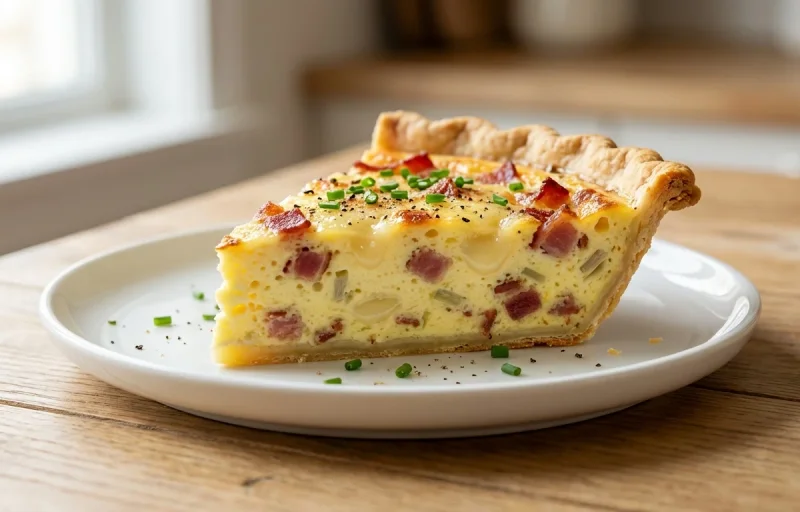
Swiss cheese has excellent melting properties and becomes very creamy when heated. It is a classic choice for fondues, quiches, and hot sandwiches like the Reuben or French Dip.
Is Swiss cheese lower in sodium than other cheeses?
Generally, yes. Swiss cheese is naturally lower in sodium compared to many other aged cheeses like Cheddar or processed cheeses. This makes it a better choice for individuals who are monitoring their salt intake.
How should I store Swiss cheese and how long does it last?
Store Swiss cheese in the refrigerator wrapped tightly in parchment or wax paper, then placed in a plastic bag to prevent drying. A block of Swiss cheese typically lasts 3 to 4 weeks, while pre-cut slices should be used within 1 to 2 weeks.
Can you freeze Swiss cheese?
You can freeze Swiss cheese for up to 6 months, but the texture may become crumbly once thawed. It is best to use previously frozen Swiss cheese for melting in cooked dishes rather than eating it fresh.
What does Swiss cheese taste like?
Swiss cheese has a mild, sweet, and slightly nutty flavor. The taste can range from very subtle in younger varieties to more sharp and pungent in aged versions like Emmental or Gruyère.
RECIPES
Cook with swiss cheese.
10 recipes · sorted by what’s quick