Grain10 recipes
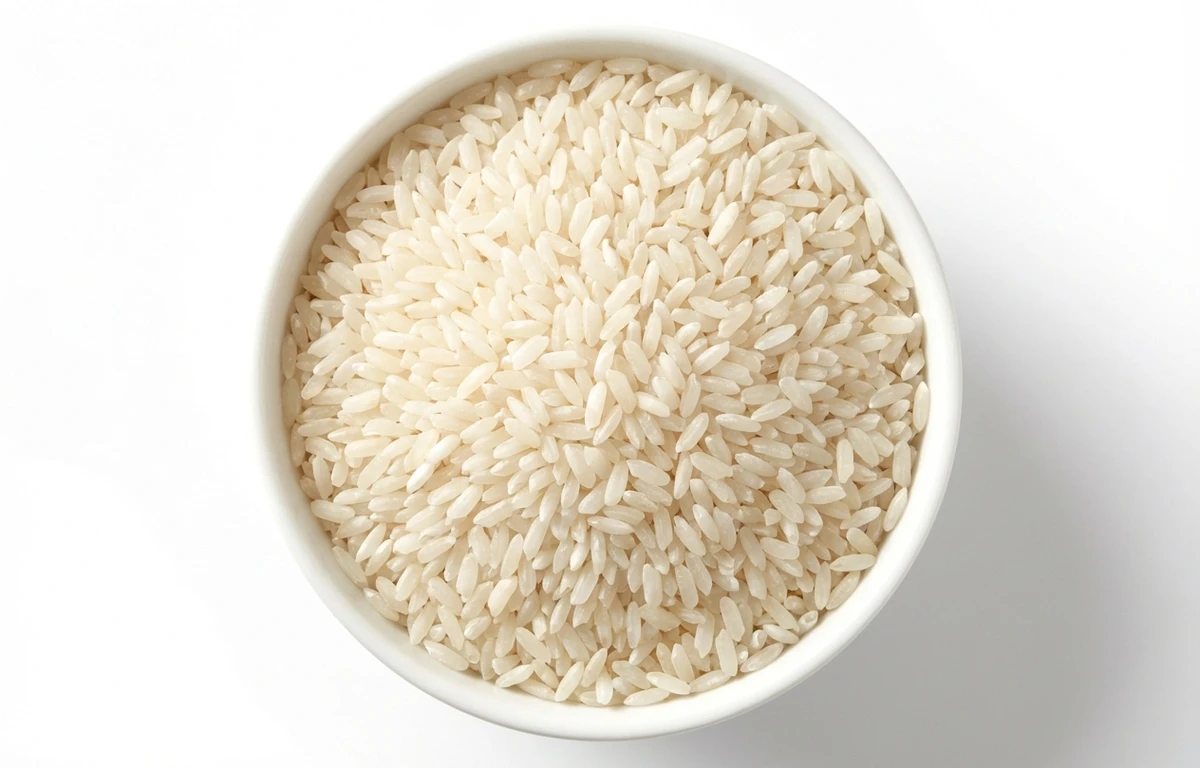
sona masuri rice.
VegetarianVeganGluten-freeDairy-freeNut-freePeanut-freeSoy-freeEgg-freeShellfish-freeHoney-freeAlcohol-free
ALSO KNOWN AS
sona masooriसोना मसूरी चावल
SERVING
CALORIES
350
PROTEIN
7.8g
CARBS
77.8g
FAT
0.50g
FIBER
1.2g
NUTRITION PROFILE · per 100 g
Everything in this ingredient.
MACRONUTRIENTS
Calories350kcal—
Protein7.8g16%
Carbohydrates77.8g28%
Fiber1.2g4%
Sugar0.10g0%
Total fat0.50g1%
Saturated fat0.10g1%
Cholesterol0mg0%
Water11.6g—
MINERALS
Sodium5.0mg0%
Potassium55mg1%
Calcium10mg1%
Iron0.80mg4%
Magnesium0mg0%
Phosphorus0mg0%
Zinc0mg0%
Copper0mg0%
Manganese0mg0%
Selenium0µg0%
VITAMINS
Vitamin A0µg0%
Vitamin C0mg0%
Vitamin D0µg0%
Vitamin E0mg0%
Vitamin K0µg0%
Thiamin (B1)0mg0%
Riboflavin (B2)0mg0%
Niacin (B3)0mg0%
Pantothenic acid (B5)0mg0%
Vitamin B60mg0%
Folate (B9)0µg0%
Vitamin B120µg0%
%DV based on a 2,000 cal diet. Source: USDA FoodData Central. A dash in the %DV column means there’s no established Daily Value for that nutrient.
MEASUREMENT CONVERSIONS
How much is what.
1 cup180g
1 tablespoon11.3g
1 teaspoon3.8g
1 ml0.8g
1 liter750g
HEALTH BENEFITS
Why eat it.
- ✓Provides a quick source of carbohydrates for energy.
- ✓Generally has a lower glycemic index compared to other white rice varieties like jasmine or basmati, leading to a slower increase in blood sugar levels.
- ✓It is easily digestible, making it a good option for individuals with sensitive digestive systems.
- ✓Naturally low in fat and sodium, contributing to a heart-healthy diet when consumed in moderation.
COOKING TIPS
In the kitchen.
- 1Rinse the rice under cold running water until the water is clear to remove excess surface starch, which results in fluffier, less sticky grains.
- 2For best results, use a rice-to-water ratio of 1:2. Soaking the rice for 15-30 minutes before cooking can yield softer and more evenly cooked grains.
- 3After cooking, allow the rice to rest, covered and off the heat, for 5-10 minutes. This allows the steam to redistribute, ensuring a perfect texture.
- 4Sona Masuri's lightweight and aromatic nature makes it ideal for South Indian dishes, biryanis, pulao, and as a simple steamed side for curries and dals.
STORAGE
Keep it fresh.
- Store uncooked Sona Masuri rice in a cool, dry, and dark place in an airtight container to protect it from moisture, pests, and odors.
- For long-term storage (over a year), consider vacuum sealing or storing in the freezer to maintain freshness and prevent insect infestation.
- Cooked rice should be cooled quickly and refrigerated in an airtight container, where it can be safely stored for up to 4 days.
FAQ
Frequently asked questions.
Is Sona Masuri rice healthy?
Yes, Sona Masuri rice is a healthy, fat-free source of energy. It is easily digestible and contains approximately 7.78g of protein per 100g, making it a nutritious staple for a balanced diet.
How many calories and carbs are in Sona Masuri rice?
A 100g serving of dry Sona Masuri rice contains 350 calories and 77.78g of carbohydrates. It is primarily composed of complex carbohydrates, providing a quick and efficient energy source.
Is Sona Masuri rice gluten-free?
Yes, Sona Masuri rice is naturally gluten-free. It is a safe and excellent carbohydrate option for individuals with celiac disease or non-celiac gluten sensitivity.
Is Sona Masuri rice suitable for diabetics?
Sona Masuri generally has a lower glycemic index compared to other white rice varieties like jasmine or basmati. This leads to a slower increase in blood sugar levels, though portion control is still important for managing diabetes.
Is Sona Masuri rice good for weight loss?
While low in fat, Sona Masuri is calorie-dense due to its carbohydrate content. It can be included in a weight loss diet when consumed in moderation and paired with high-fiber vegetables and lean proteins.
How do you cook Sona Masuri rice?
The typical ratio is 1 cup of rice to 2.5 cups of water. You can cook it in a pressure cooker for 2-3 whistles or simmer it in a covered pot for about 15-20 minutes until the water is fully absorbed.
What does Sona Masuri rice taste like?
Sona Masuri is a medium-grain rice known for being lightweight, aromatic, and having a delicate flavor. It is less floral than basmati but offers a clean, slightly sweet taste that pairs well with curries and dals.
Does Sona Masuri rice need to be soaked before cooking?
Soaking is not mandatory, but soaking the rice for 20 to 30 minutes before cooking can improve the texture. It helps the grains cook more evenly and results in a fluffier final product.
How should I store Sona Masuri rice?
Store raw Sona Masuri rice in a cool, dry place in an airtight container to protect it from moisture and pests. When stored correctly, dry rice can remain fresh for up to 1-2 years.
Can I use Sona Masuri rice as a substitute for Basmati?
Yes, you can substitute Sona Masuri for Basmati, though the texture will be different. Sona Masuri has shorter, firmer grains and is less aromatic, making it better suited for South Indian dishes like pongal or daily rice meals.
RECIPES
Cook with sona masuri rice.
10 recipes · sorted by what’s quick