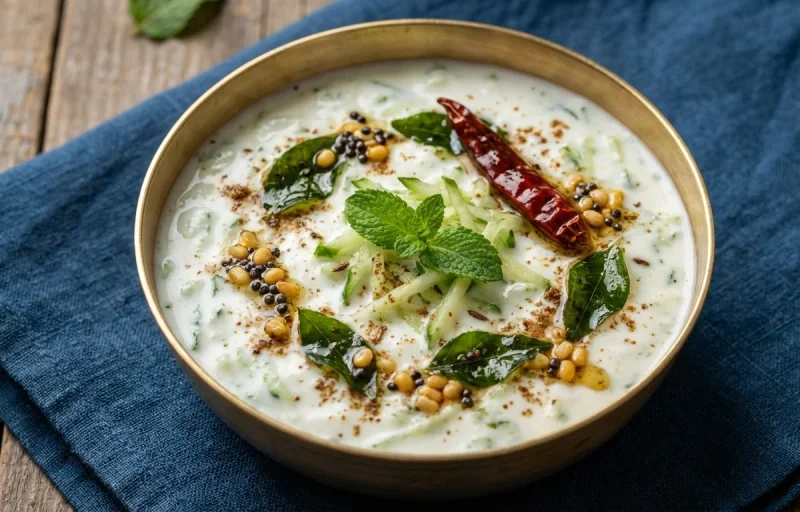
Dairy3 recipes
plant-based yogurt.
VegetarianVeganGluten-freeDairy-freeNut-freePeanut-freeSoy-freeEgg-freeShellfish-freeHoney-freeAlcohol-freeFermented
ALSO KNOWN AS
vegan curdnon-dairy yogurtdairy-free yogurtplant-based yogurtvegan dahidairy-free yogurtplant-based yogurtnon-dairy yogurtvegan yogurt
SERVING
CALORIES
60
PROTEIN
3.5g
CARBS
3.0g
FAT
3.0g
FIBER
0.50g
NUTRITION PROFILE · per 100 g
Everything in this ingredient.
MACRONUTRIENTS
Calories60kcal—
Protein3.5g7%
Carbohydrates3.0g1%
Fiber0.50g2%
Sugar1.0g2%
Total fat3.0g4%
Saturated fat0.50g3%
Trans fat0g—
Cholesterol0mg0%
Water88g—
MINERALS
Sodium15mg1%
Potassium150mg3%
Calcium120mg9%
Iron0.50mg3%
Magnesium15mg4%
Phosphorus40mg3%
Zinc0.30mg3%
Copper0.05mg6%
Manganese0.10mg4%
Selenium1.5µg3%
VITAMINS
Vitamin A0µg0%
Vitamin C0mg0%
Vitamin D1.0µg5%
Vitamin E0.10mg1%
Vitamin K0µg0%
Thiamin (B1)0.02mg2%
Riboflavin (B2)0.10mg8%
Niacin (B3)0.20mg1%
Pantothenic acid (B5)0.10mg2%
Vitamin B60.04mg2%
Folate (B9)10µg3%
Vitamin B120.50µg21%
%DV based on a 2,000 cal diet. Source: USDA FoodData Central. A dash in the %DV column means there’s no established Daily Value for that nutrient.
MEASUREMENT CONVERSIONS
How much is what.
1 cup247.2g
1 tablespoon15.5g
1 teaspoon5.2g
1 ml1g
1 liter1030g
HEALTH BENEFITS
Why eat it.
- ✓Provides probiotics (live active cultures) which support gut health and digestion.
- ✓Lactose-free, making it a suitable alternative for individuals with lactose intolerance or dairy allergies.
- ✓Often lower in saturated fat compared to full-fat dairy yogurt, which can be beneficial for heart health.
- ✓Many varieties are fortified with essential nutrients like calcium, vitamin D, and vitamin B12.
COOKING TIPS
In the kitchen.
- 1Use as a 1:1 substitute for dairy yogurt in smoothies, dips, and dressings for a creamy, dairy-free base.
- 2When adding to hot dishes like soups or sauces, stir it in at the very end over low heat to prevent it from curdling or separating.
- 3Choose unsweetened, plain varieties for savory cooking to control the flavor profile.
- 4Can be used in vegan baking to add moisture and a slight tang to cakes, muffins, and quick breads.
STORAGE
Keep it fresh.
- Keep refrigerated at or below 40°F (4°C) and consume by the expiration date printed on the container.
- Once opened, consume within 5-7 days for optimal freshness and to prevent spoilage.
FAQ
Frequently asked questions.
Is plant-based yogurt healthy?
Yes, plant-based yogurt can be a very healthy option. It provides beneficial probiotics for gut health, is naturally lactose-free, and often lower in saturated fat than full-fat dairy yogurt. Many varieties are also fortified with essential nutrients like calcium, vitamin D, and B12.
How much protein and calories are in plant-based yogurt?
Per 100g, plant-based yogurt typically contains around 60 calories, 3.5g of protein, 3g of carbohydrates, and 3g of fat. Nutritional content can vary based on the base ingredient (e.g., soy, almond, oat) and whether it contains added sugars.
Is plant-based yogurt good for weight loss?
Plant-based yogurt can be a good addition to a weight loss diet, especially unsweetened varieties, due to its relatively low calorie count (around 60 calories per 100g) and moderate protein content. Its probiotics can also support a healthy metabolism and digestion.
Is plant-based yogurt vegan?
Yes, by definition, plant-based yogurt is vegan as it is made entirely from plant sources like soy, almond, coconut, or oat milk, without any animal-derived ingredients. It's a popular choice for those following a vegan lifestyle.
Is plant-based yogurt gluten-free?
Most plant-based yogurts are naturally gluten-free, especially those made from soy, almond, or coconut. However, if made from oat milk, ensure it's certified gluten-free to avoid cross-contamination, and always check the product label for specific allergen information.
Can diabetics eat plant-based yogurt?
Diabetics can eat plant-based yogurt, but it's crucial to choose unsweetened varieties to manage sugar intake. Plain plant-based yogurt typically contains only 3g of carbs per 100g, making it a suitable option when sugar-free. Always check the nutrition label for added sugars.
How can I use plant-based yogurt in cooking?
Plant-based yogurt is incredibly versatile. You can enjoy it plain, with fruit and granola, in smoothies, as a base for dips and dressings, or as a sour cream substitute. Some varieties can also be used in baking, though results may vary depending on the base.
What does plant-based yogurt taste like?
The taste of plant-based yogurt varies significantly depending on its base. Soy yogurt often has a neutral, slightly beany flavor, almond yogurt is mild and nutty, coconut yogurt is creamy with a distinct coconut taste, and oat yogurt is generally mild and slightly sweet.
How do you store plant-based yogurt?
Plant-based yogurt should be stored in the refrigerator at all times, just like dairy yogurt. Keep it sealed until ready to use and consume within the recommended timeframe after opening for best quality and safety, typically within 5-7 days.
Does plant-based yogurt contain probiotics?
Yes, most plant-based yogurts are cultured with live and active probiotic cultures, similar to traditional dairy yogurt. These beneficial bacteria support gut health and digestion, but always check the product label to confirm their presence and specific strains.
RECIPES
Cook with plant-based yogurt.
3 recipes · sorted by what’s quick