Grain
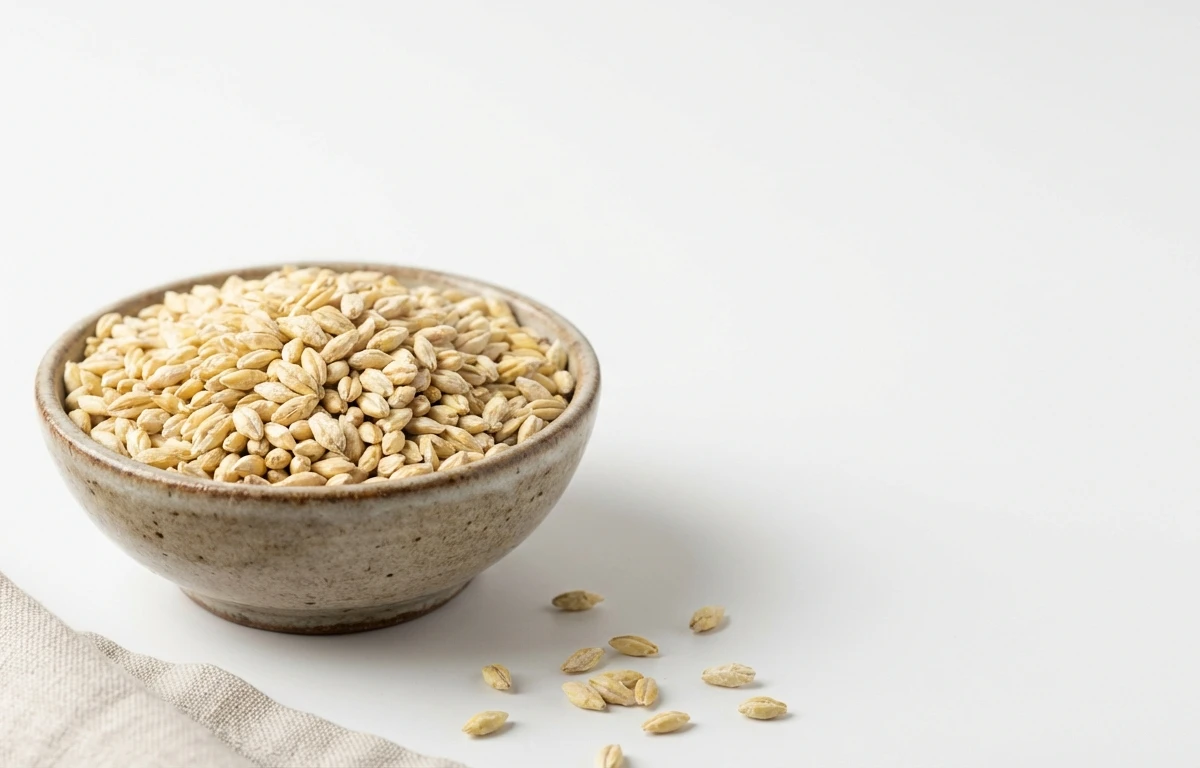
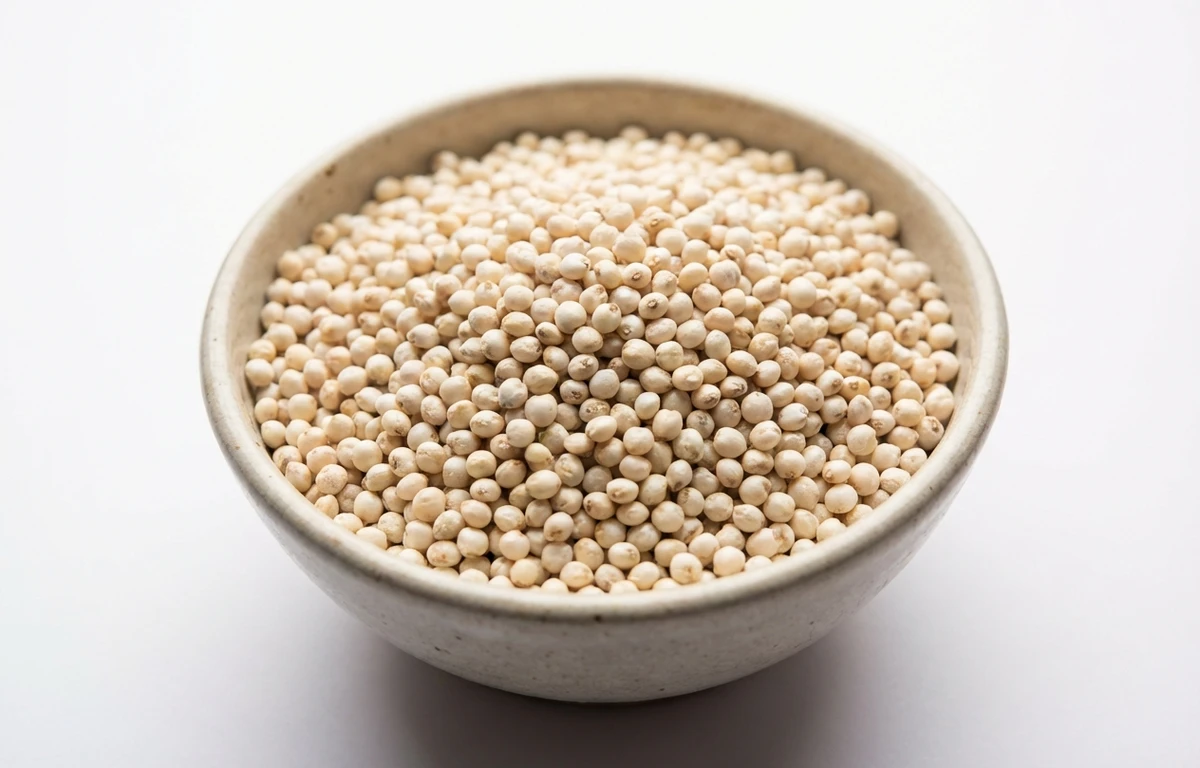
jowar.
VegetarianVeganGluten-freeDairy-freeNut-freePeanut-freeSoy-freeEgg-freeShellfish-freeHoney-freeAlcohol-freeWhole grain
SERVING
CALORIES
334
PROTEIN
10.0g
CARBS
67.7g
FAT
1.7g
FIBER
10.2g
NUTRITION PROFILE · per 100 g
Everything in this ingredient.
MACRONUTRIENTS
Calories334kcal—
Protein10.0g20%
Carbohydrates67.7g25%
Fiber10.2g37%
Sugar1.3g3%
Total fat1.7g2%
Saturated fat0.16g1%
Trans fat0g—
Cholesterol0mg0%
Water9.0g—
MINERALS
Sodium5.4mg0%
Potassium328mg7%
Calcium27.6mg2%
Iron4.0mg22%
Magnesium133mg32%
Phosphorus274mg22%
Zinc2.0mg18%
Copper0.45mg50%
Manganese1.2mg52%
Selenium26.3µg48%
VITAMINS
Vitamin A8.3µg1%
Vitamin C0mg0%
Vitamin D4.0µg20%
Vitamin E0.06mg0%
Vitamin K43.8µg37%
Thiamin (B1)0.35mg29%
Riboflavin (B2)0.14mg11%
Niacin (B3)2.1mg13%
Pantothenic acid (B5)0.27mg5%
Vitamin B60.28mg16%
Biotin (B7)0.70µg2%
Folate (B9)39.4µg10%
%DV based on a 2,000 cal diet. Source: USDA FoodData Central. A dash in the %DV column means there’s no established Daily Value for that nutrient.
MEASUREMENT CONVERSIONS
How much is what.
1 cup190g
1 tablespoon11.9g
1 teaspoon4g
1 oz28.4g
1 lb453.6g
1 ml0.8g
1 liter792g
HEALTH BENEFITS
Why eat it.
- ✓Naturally gluten-free, making it an excellent choice for individuals with celiac disease or gluten sensitivity.
- ✓High in dietary fiber, which aids digestion, promotes satiety, and helps regulate blood sugar levels.
- ✓Rich in antioxidants, such as phenolic compounds and tannins, which help combat oxidative stress in the body.
- ✓A good source of essential minerals like magnesium, phosphorus, and iron, which are vital for bone health and energy production.
COOKING TIPS
In the kitchen.
- 1To cook whole jowar grains, soak them for at least 6-8 hours or overnight to soften them and reduce cooking time. Simmer in a 1:3 ratio of grain to water until tender.
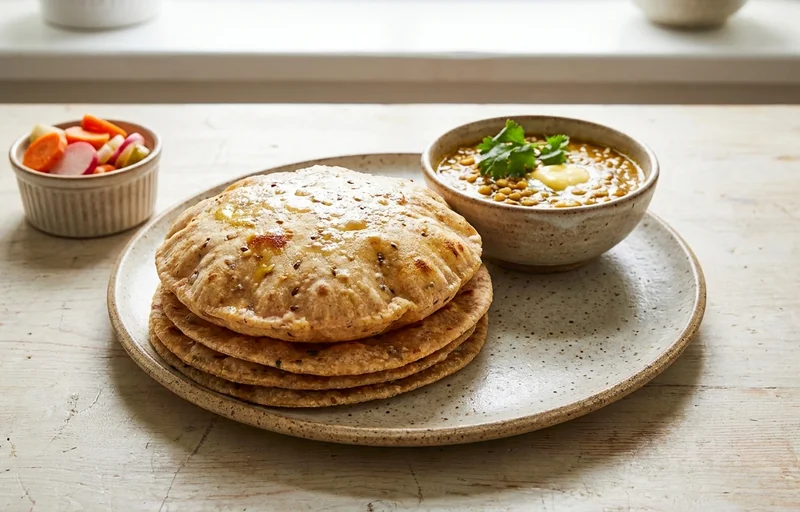
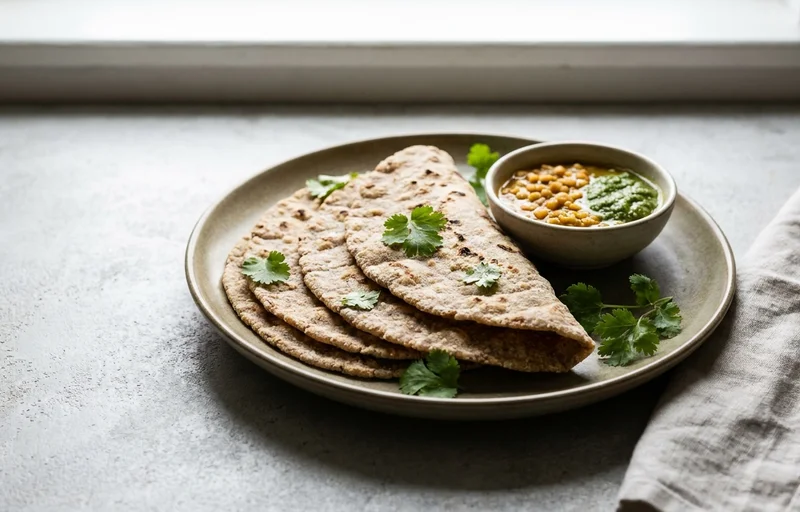
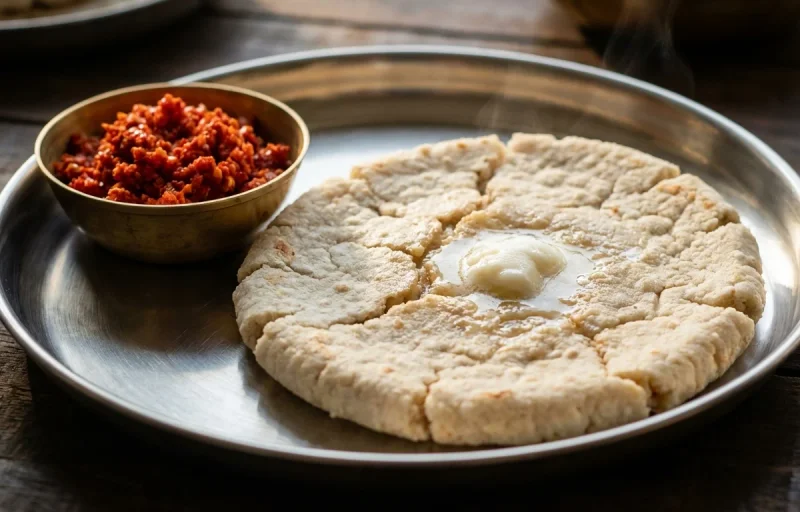
- 2Jowar flour is ideal for making traditional Indian flatbreads like bhakri or roti. Use warm water to knead the dough, as this makes it more pliable and easier to roll without cracking.
- 3Whole jowar can be popped like popcorn over medium heat in a covered pan for a light, crunchy, and nutritious snack.
- 4Use jowar flour as a gluten-free thickener for soups and stews, or blend it with other gluten-free flours for baking cakes and cookies.
STORAGE
Keep it fresh.
- Store whole jowar grains in an airtight container in a cool, dark, and dry pantry for up to one year.
- Jowar flour has a shorter shelf life; keep it in an airtight container in the refrigerator for up to 3 months or the freezer for up to 6 months to prevent rancidity.
FAQ
Frequently asked questions.
Is jowar healthy?
Yes, jowar is very healthy. It's a nutrient-dense whole grain, naturally gluten-free, and rich in dietary fiber, antioxidants, and essential minerals like magnesium, phosphorus, and iron. It supports digestive health, helps regulate blood sugar, and provides sustained energy.
What are the nutritional benefits of jowar?
Jowar is packed with benefits. Per 100g, it offers approximately 334 calories, nearly 10g of protein, and 67g of complex carbohydrates, with only 1.73g of fat. Its high fiber content aids digestion and promotes satiety, while antioxidants combat oxidative stress. It also provides vital minerals for bone health and energy.
Is jowar good for weight loss?
Jowar can be beneficial for weight management due to its high fiber content. Fiber helps you feel full longer, reducing overall calorie intake. Its complex carbohydrates also provide sustained energy, preventing sudden hunger pangs, making it a good addition to a balanced diet.
Is jowar gluten-free?
Yes, jowar (sorghum) is naturally gluten-free, making it an excellent and safe grain choice for individuals with celiac disease, gluten sensitivity, or those following a gluten-free diet. It can be used as a substitute for wheat in various recipes.
Can diabetics eat jowar?
Yes, jowar is a good option for diabetics. Its high dietary fiber content helps slow down the absorption of sugar into the bloodstream, leading to a more stable blood glucose response. This can aid in better blood sugar management compared to refined grains.
Is jowar keto-friendly or low-carb?
No, jowar is not keto-friendly or considered low-carb. With approximately 67g of carbohydrates per 100g, it is a high-carb grain. While it's a healthy complex carbohydrate, it does not fit the strict carbohydrate limits of a ketogenic diet.
How do you cook jowar?
Whole jowar can be cooked similarly to rice or quinoa, typically by boiling it in water until tender. Jowar flour is commonly used to make flatbreads like rotis or bhakris, porridges, or as a gluten-free thickener in various dishes. Soaking whole jowar can reduce cooking time.
What does jowar taste like and how can it be used in cooking?
Jowar has a mild, slightly nutty, and earthy flavor. It's very versatile and can be used in many ways: as a whole grain in salads, pilafs, or porridges; popped like popcorn; or most commonly, ground into flour for gluten-free rotis, pancakes, muffins, or as a thickener in soups and stews.
How should I store jowar?
Whole jowar grains and jowar flour should be stored in an airtight container in a cool, dry, and dark place, away from direct sunlight and moisture. This helps prevent spoilage and keeps pests away. Properly stored, whole grains can last for several months, while flour has a shorter shelf life.
What is the difference between jowar flour and whole jowar?
Whole jowar refers to the intact grain kernels, which can be cooked and eaten like rice. Jowar flour is made by grinding these whole kernels into a fine powder. While both retain the nutritional benefits, whole jowar offers more texture and takes longer to cook, whereas flour is used for baking and making flatbreads.
RECIPES
Cook with jowar.
0 recipes · sorted by what’s quick