Dairy10 recipes
heavy cream.
VegetarianVeganGluten-freeDairy-freeNut-freePeanut-freeSoy-freeEgg-freeShellfish-freeHoney-freeAlcohol-free
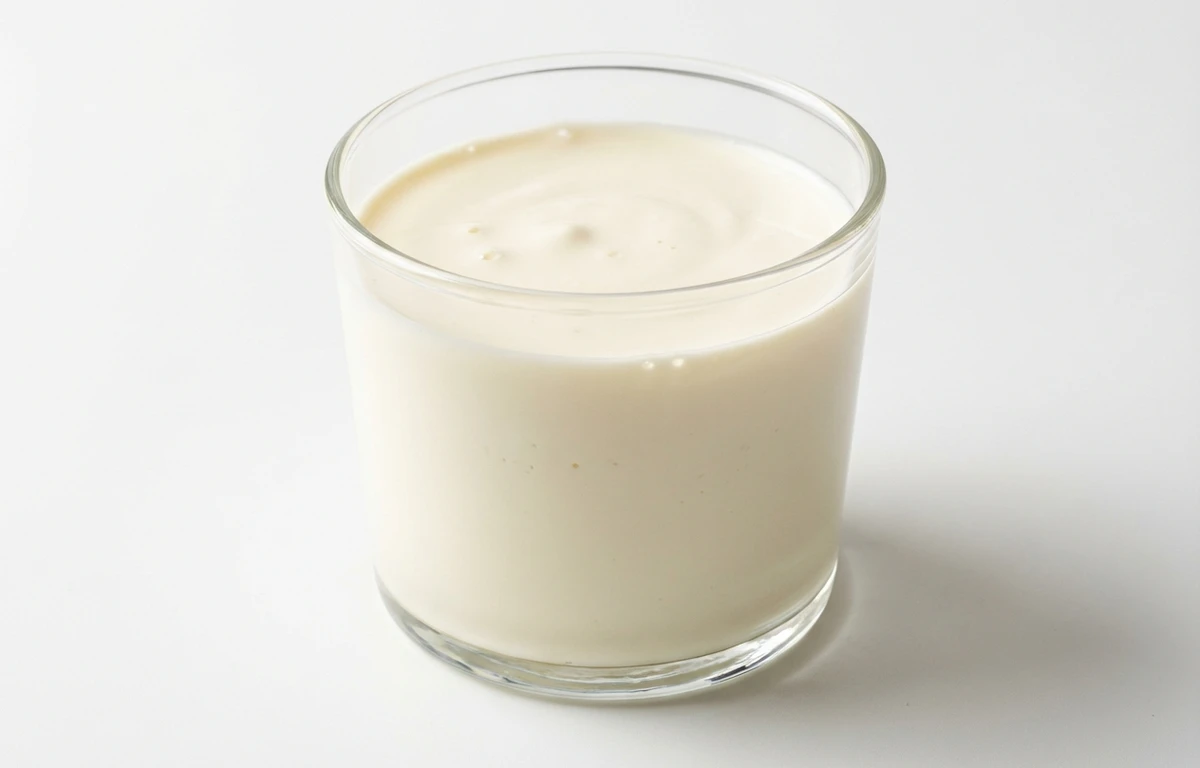
SERVING
CALORIES
345
PROTEIN
2.1g
CARBS
2.8g
FAT
37g
FIBER
0g
NUTRITION PROFILE · per 100 g
Everything in this ingredient.
MACRONUTRIENTS
Calories345kcal—
Protein2.1g4%
Carbohydrates2.8g1%
Fiber0g0%
Sugar2.8g6%
Total fat37g47%
Saturated fat23g115%
Trans fat1.1g—
Cholesterol137mg46%
Water57.7g—
MINERALS
Sodium38mg2%
Potassium75mg2%
Calcium65mg5%
Iron0.03mg0%
Magnesium7.0mg2%
Phosphorus58mg5%
Zinc0.20mg2%
Copper0.01mg1%
Manganese0mg0%
Selenium0.70µg1%
VITAMINS
Vitamin A430µg48%
Vitamin C0.60mg1%
Vitamin D0.10µg1%
Vitamin E0.80mg5%
Vitamin K2.0µg2%
Thiamin (B1)0.02mg2%
Riboflavin (B2)0.12mg9%
Niacin (B3)0.04mg0%
Pantothenic acid (B5)0.25mg5%
Vitamin B60.03mg2%
Folate (B9)4.0µg1%
Vitamin B120.20µg8%
%DV based on a 2,000 cal diet. Source: USDA FoodData Central. A dash in the %DV column means there’s no established Daily Value for that nutrient.
MEASUREMENT CONVERSIONS
How much is what.
1 cup240g
1 tablespoon14.8g
1 teaspoon4.9g
1 oz29.6g
1 lb473.1g
1 ml1g
1 liter986.7g
HEALTH BENEFITS
Why eat it.
- ✓Rich source of fat-soluble vitamins like A, D, E, and K, which are essential for vision, immune function, and bone health.
- ✓Provides a concentrated source of energy due to its high caloric and fat content.
- ✓Contains choline, an important nutrient for brain health, memory, and nervous system function.
- ✓The saturated fat content can increase feelings of fullness and satiety, which may help with appetite regulation when consumed in moderation.
COOKING TIPS
In the kitchen.
- 1For stable whipped cream, chill the cream, bowl, and beaters for at least 15 minutes before whipping. Do not over-whip, or it will turn into butter.
- 2When adding to hot soups or sauces, temper the cream by slowly whisking a small amount of the hot liquid into it first to prevent curdling.
- 3Its high fat content (typically 36% or more) makes it resistant to curdling, making it ideal for creating rich, stable cream sauces that can be simmered.
- 4Use as a base for creamy desserts like panna cotta, mousse, and ice cream for a smooth, rich texture.
STORAGE
Keep it fresh.
- Store in the coldest part of the refrigerator (not the door), at or below 40°F (4°C), and use within 5-7 days of opening.
- Keep the container tightly sealed to prevent it from absorbing odors from other foods.
- Heavy cream can be frozen for up to 2 months; however, its texture may separate upon thawing, making it better suited for cooking rather than whipping.
FAQ
Frequently asked questions.
Is heavy cream healthy?
Heavy cream is a concentrated source of energy and fat-soluble vitamins like A, D, E, and K, which are vital for vision, immune function, and bone health. It also contains choline, important for brain health. However, due to its high calorie and saturated fat content, it should be consumed in moderation as part of a balanced diet.
How much fat and calories are in heavy cream?
Per 100g, heavy cream contains approximately 345 calories and 37g of fat, with a significant portion being saturated fat. It also provides about 2.1g of protein and 2.8g of carbohydrates, making it a very energy-dense food.
Is heavy cream good for weight loss?
While heavy cream's high fat content can increase feelings of fullness and satiety, potentially aiding appetite regulation, its high caloric density means it can easily contribute to a calorie surplus. For weight loss, it's generally recommended to consume it sparingly or opt for lower-fat alternatives to manage overall calorie intake.
Is heavy cream vegan?
No, heavy cream is not vegan. It is a dairy product made from the high-fat layer skimmed from milk, meaning it comes from animal sources.
Is heavy cream lactose-free?
Heavy cream is not lactose-free, as it is a dairy product. However, it generally contains less lactose than milk because most of the lactose is in the watery part of the milk, which is separated during the cream-making process. Individuals with mild lactose intolerance might tolerate it better than milk, but it's not suitable for severe intolerance.
Can diabetics eat heavy cream?
Yes, diabetics can typically consume heavy cream in moderation. It is very low in carbohydrates (around 2.8g per 100g), which means it has minimal impact on blood sugar levels. However, its high fat and calorie content should be considered within a diabetic's overall dietary plan to manage weight and cardiovascular health.
What are the best uses for heavy cream in cooking?
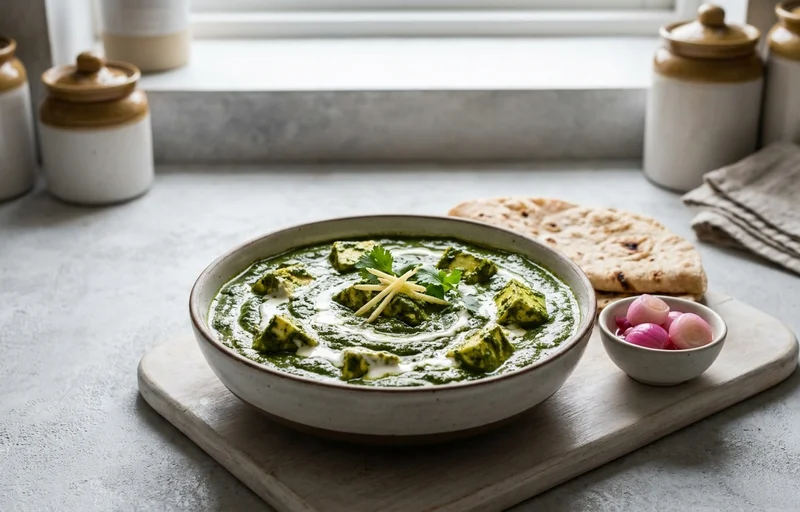
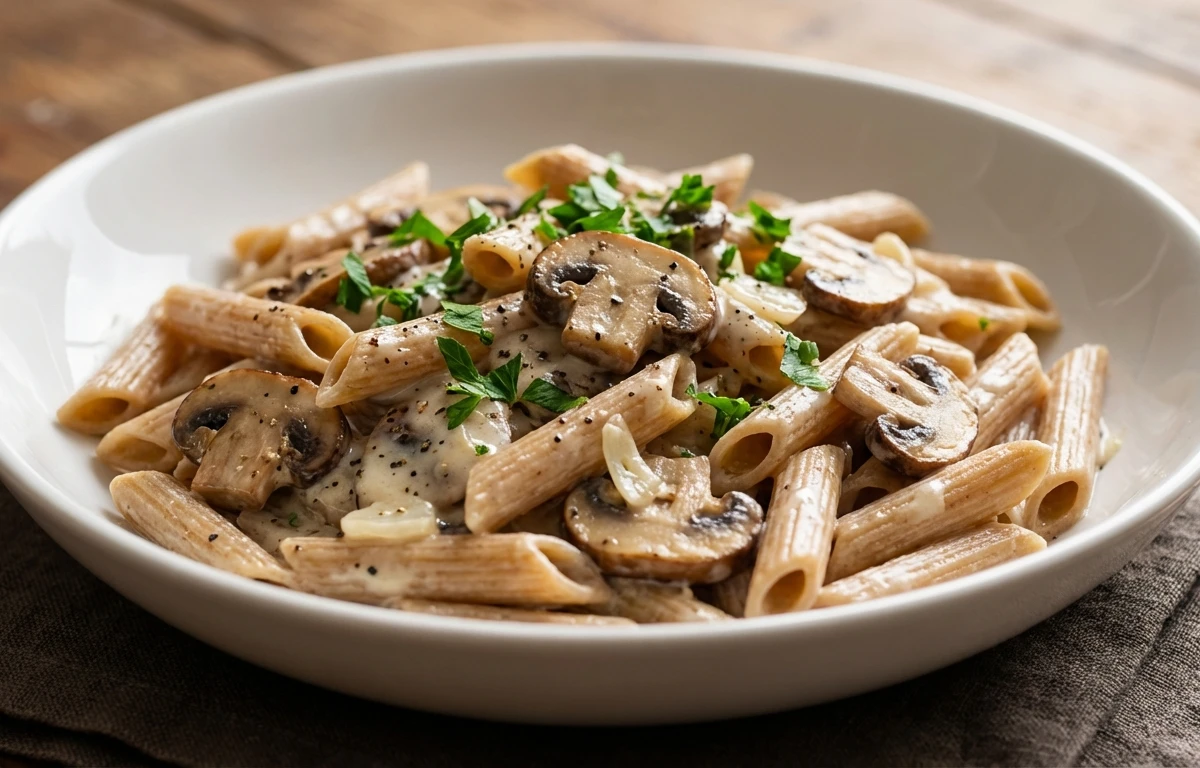
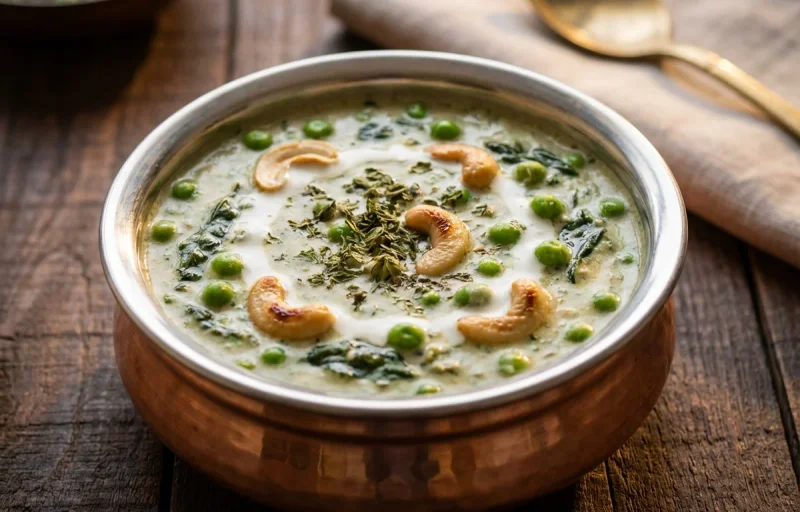
Heavy cream is incredibly versatile in cooking. It's essential for making whipped cream, enriching sauces, soups, and gravies, and adding richness to desserts like custards, ice cream, and cheesecakes. Its high fat content prevents it from curdling easily, making it ideal for simmering in hot dishes.
How do you store heavy cream?
Heavy cream should always be stored in its original container in the coldest part of your refrigerator, typically the back of the top shelf. Ensure the container is tightly sealed after each use to prevent absorption of odors and maintain freshness.
How long does heavy cream last once opened?
Once opened, heavy cream typically lasts for about 5 to 7 days in the refrigerator. Always check the 'best by' date on the package and look for any signs of spoilage like a sour smell, discoloration, or thickened texture before use.
Can you freeze heavy cream?
Yes, you can freeze heavy cream, but its texture will change upon thawing. It tends to become grainy or slightly separated, making it less ideal for whipping. However, it's perfectly fine for use in cooked dishes like soups, sauces, or casseroles where the texture change won't be noticeable.
RECIPES
Cook with heavy cream.
10 recipes · sorted by what’s quick