Other4 recipes
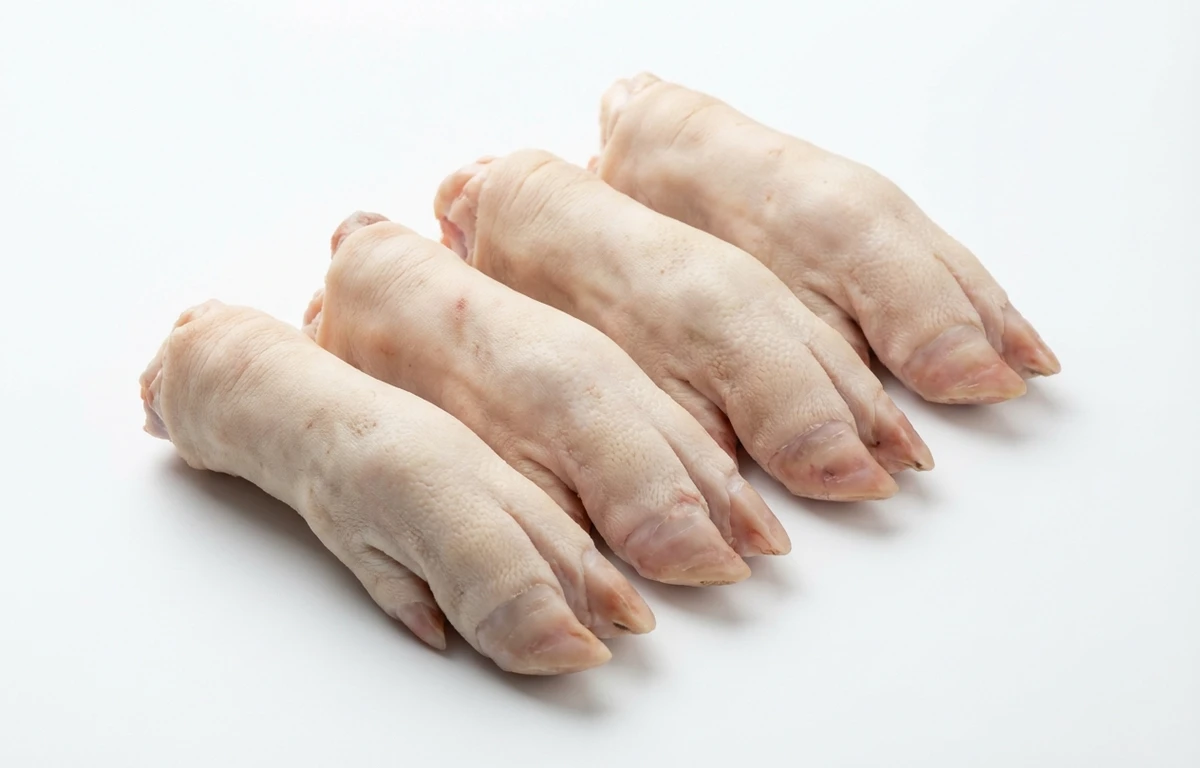
goat trotters.
VegetarianVeganGluten-freeDairy-freeNut-freePeanut-freeSoy-freeEgg-freeShellfish-freeHoney-freeAlcohol-free
ALSO KNOWN AS
goat foottrotterspayamutton paya
SERVING
CALORIES
162
PROTEIN
21.5g
CARBS
0g
FAT
8.4g
FIBER
0g
NUTRITION PROFILE · per 100 g
Everything in this ingredient.
MACRONUTRIENTS
Calories162kcal—
Protein21.5g43%
Carbohydrates0g0%
Fiber0g0%
Sugar0g0%
Total fat8.4g11%
Saturated fat3.2g16%
Trans fat0g—
Cholesterol85mg28%
Water68.5g—
MINERALS
Sodium75mg3%
Potassium180mg4%
Calcium45mg3%
Iron2.1mg12%
Magnesium18mg4%
Phosphorus160mg13%
Zinc3.2mg29%
Copper0.12mg13%
Manganese0.02mg1%
Selenium15.4µg28%
VITAMINS
Vitamin A0µg0%
Vitamin C0mg0%
Vitamin D0µg0%
Vitamin E0.10mg1%
Vitamin K0µg0%
Thiamin (B1)0.05mg4%
Riboflavin (B2)0.15mg12%
Niacin (B3)3.8mg24%
Pantothenic acid (B5)0.40mg8%
Vitamin B60.10mg6%
Folate (B9)4.0µg1%
Vitamin B121.2µg50%
%DV based on a 2,000 cal diet. Source: USDA FoodData Central. A dash in the %DV column means there’s no established Daily Value for that nutrient.
MEASUREMENT CONVERSIONS
How much is what.
1 piece180g
HEALTH BENEFITS
Why eat it.
- ✓Extremely rich in collagen and gelatin, which support joint health, skin elasticity, and gut integrity.
- ✓Good source of protein, essential for muscle building, tissue repair, and overall body function.
- ✓Contains important minerals like calcium, phosphorus, and magnesium, which contribute to strong bones and teeth.
- ✓Provides glycine, an amino acid that has anti-inflammatory properties and may improve sleep quality.
COOKING TIPS
In the kitchen.
- 1Goat trotters require long, slow cooking with moist heat, such as braising, stewing, or pressure cooking, to break down the tough connective tissues and make them tender.
- 2Before cooking, it's common practice to singe the trotters over an open flame to remove any remaining hair and then scrub them thoroughly.
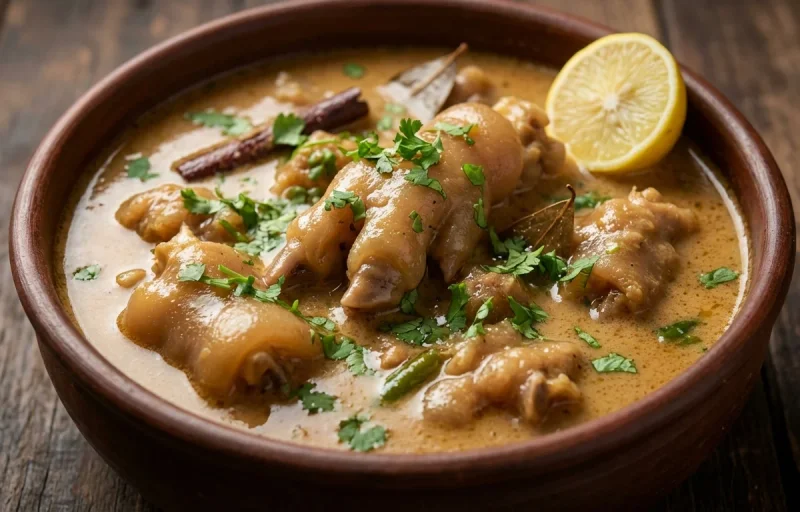
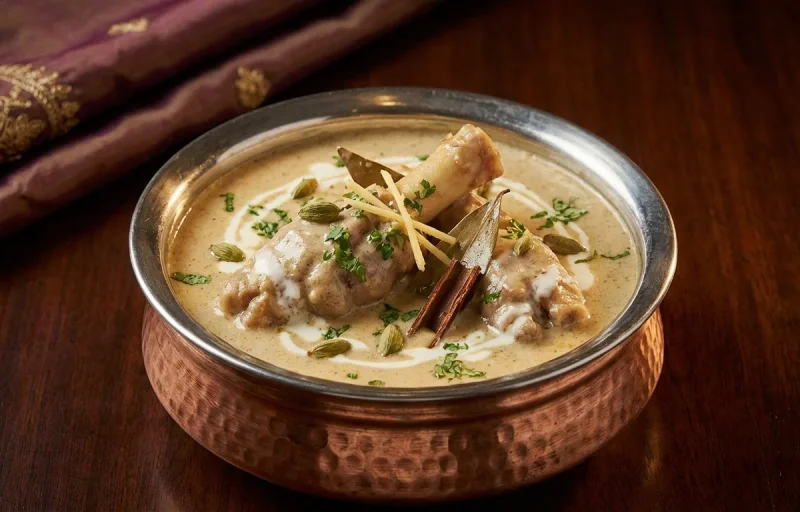
- 3They are ideal for making rich, gelatinous broths and soups, like the South Asian dish 'Paya', as the collagen melts into the liquid.
- 4Marinate or cook with bold spices and aromatics like ginger, garlic, turmeric, and cloves, as the meat absorbs flavors well during the extended cooking time.
STORAGE
Keep it fresh.
- Store fresh goat trotters in the coldest part of the refrigerator (at or below 40°F / 4°C) in their original packaging or an airtight container for up to 2 days.
- For long-term storage, freeze them in a heavy-duty freezer bag or vacuum-sealed pouch for up to 6 months to maintain quality and prevent freezer burn.
FAQ
Frequently asked questions.
Are goat trotters healthy?
Yes, goat trotters are considered healthy due to their rich nutritional profile. They are an excellent source of protein and are particularly high in collagen and gelatin, which are beneficial for joint health, skin elasticity, and gut integrity. However, they can be high in fat, so moderation is key.
What are the specific health benefits of eating goat trotters?
Goat trotters are extremely rich in collagen and gelatin, supporting joint health, skin elasticity, and gut integrity. They also provide a good source of protein for muscle building and tissue repair, and contain essential minerals like calcium, phosphorus, and magnesium for strong bones and teeth. Additionally, they offer glycine, an amino acid with anti-inflammatory properties that may improve sleep.
What is the nutritional content of goat trotters?
Per 100g, goat trotters typically contain around 162 calories, 21.5g of protein, 0g of carbohydrates, and 8.4g of fat. This makes them a high-protein, zero-carb food, rich in essential amino acids and beneficial fats.
Are goat trotters keto-friendly or low-carb?
Yes, goat trotters are very keto-friendly and low-carb. With 0g of carbohydrates per 100g serving, they fit perfectly into ketogenic and low-carb diets, providing protein and healthy fats without impacting carb intake.
Are goat trotters gluten-free?
Yes, goat trotters are naturally gluten-free. As an unprocessed meat product, they do not contain any gluten, making them suitable for individuals with celiac disease or gluten sensitivity.
How are goat trotters typically prepared or cooked?
Goat trotters require long, slow cooking methods to break down the tough connective tissues and render them tender. They are commonly braised, stewed, or boiled for several hours until the meat is falling off the bone and the broth becomes rich and gelatinous. They are often used in soups, curries, and stews.
What is the texture and flavor profile of cooked goat trotters?
When properly cooked, goat trotters have a unique, tender, and gelatinous texture due to their high collagen content. The flavor is rich, savory, and distinctly meaty, absorbing the spices and aromatics they are cooked with. The gelatin contributes to a luxurious mouthfeel.
How should fresh goat trotters be stored?
Fresh goat trotters should be stored in the coldest part of your refrigerator, ideally in their original packaging or a sealed container, for no more than 1-2 days. For longer storage, they should be frozen.
How long do cooked goat trotters last in the refrigerator?
Cooked goat trotters, when stored in an airtight container in the refrigerator, can last for 3-4 days. Ensure they are cooled quickly after cooking before refrigerating to maintain freshness and safety.
Can goat trotters be frozen?
Yes, goat trotters can be frozen, both raw and cooked, for extended storage. Raw trotters can be frozen for up to 6-9 months, while cooked trotters can last for 2-3 months in the freezer. Wrap them tightly in freezer-safe packaging to prevent freezer burn.
RECIPES
Cook with goat trotters.
4 recipes · sorted by what’s quick