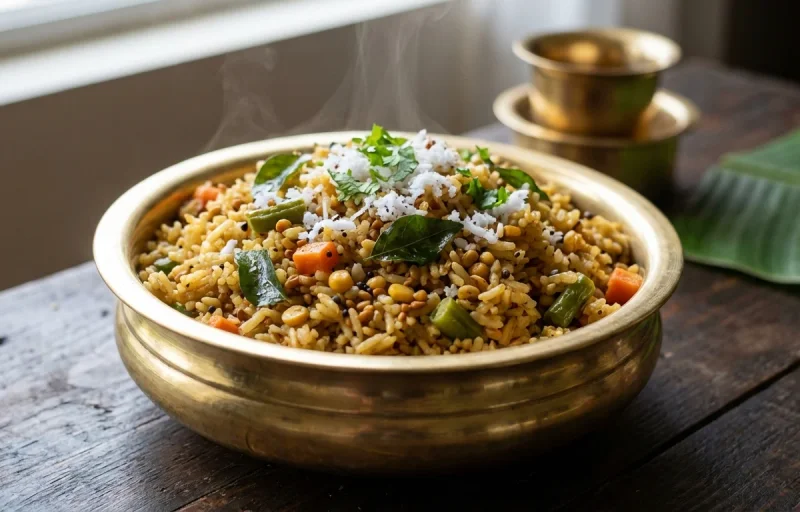
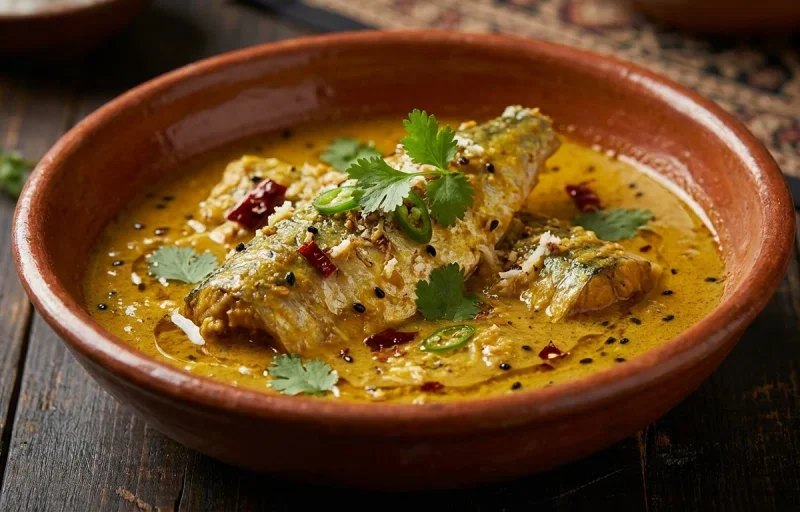
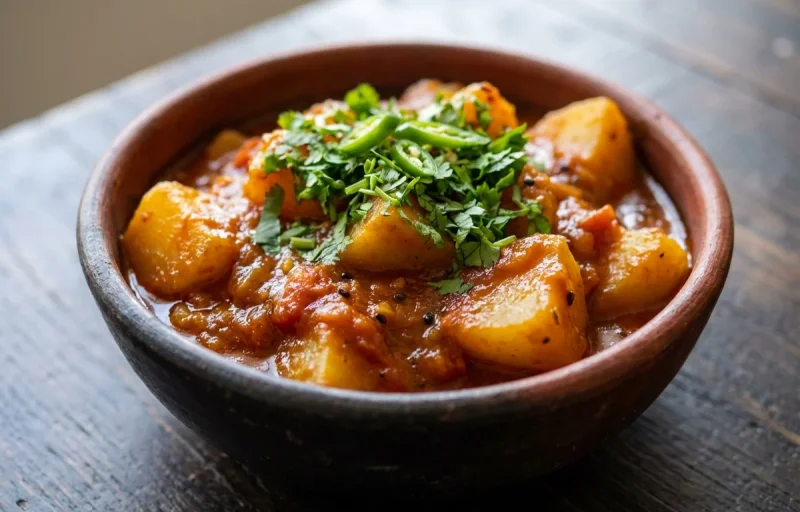
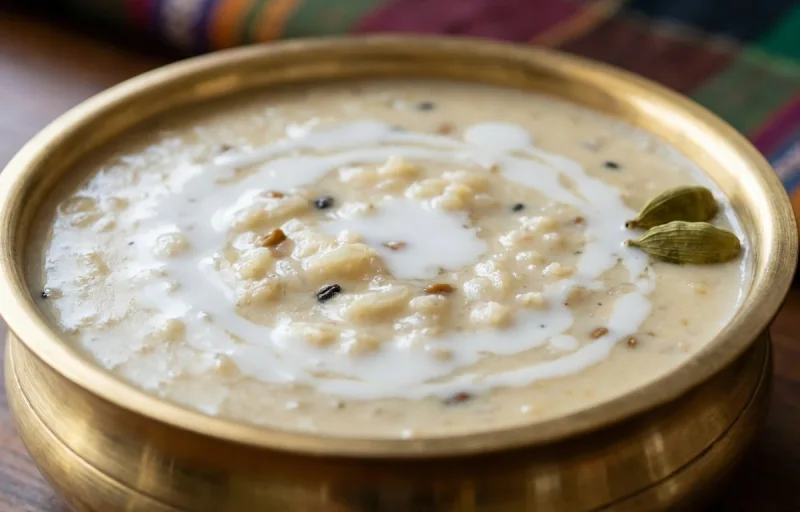
Spice10 recipes
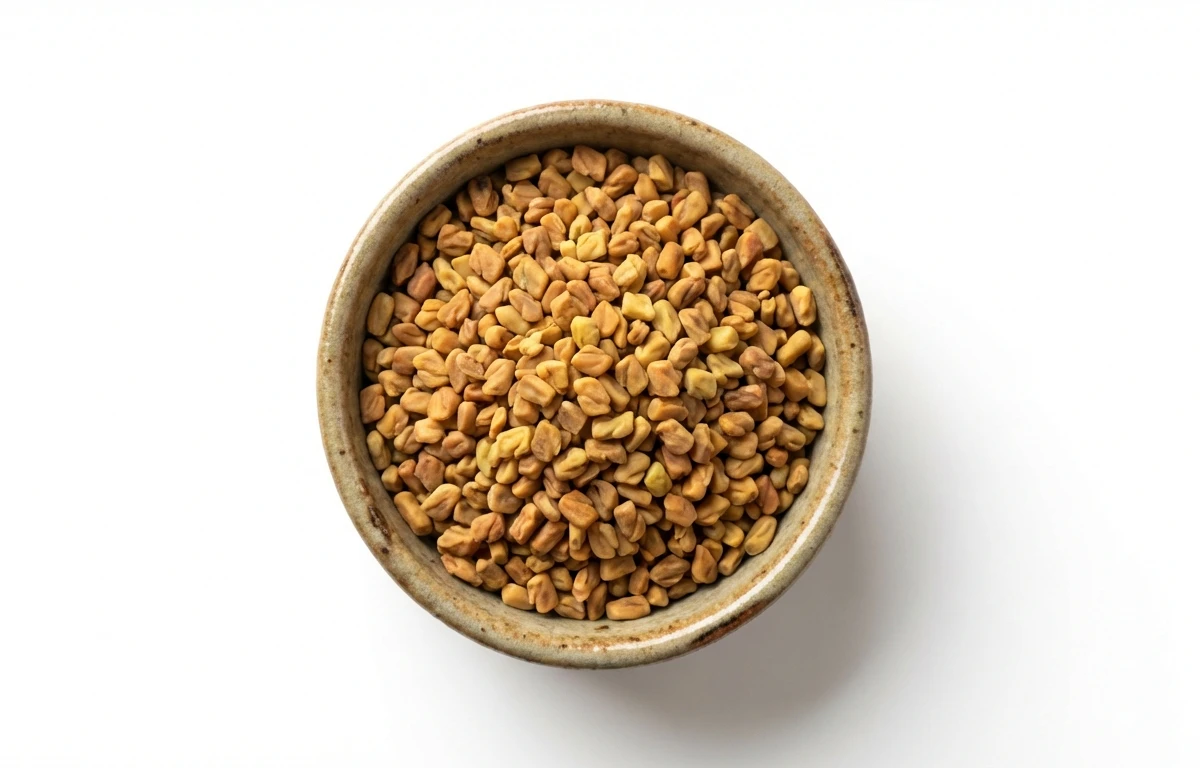
fenugreek seeds.
VegetarianVeganGluten-freeDairy-freeNut-freePeanut-freeSoy-freeEgg-freeShellfish-freeHoney-freeAlcohol-free
ALSO KNOWN AS
Trigonella foenum-graecumGreek hayHelbaMentefenugreek seedmethi seedsFenugreek SeedsMethiVendhayamMenthuluUluvaDried Fenugreek SeedsMethi Dana
SERVING
CALORIES
323
PROTEIN
23g
CARBS
58.4g
FAT
6.4g
FIBER
24.6g
NUTRITION PROFILE · per 100 g
Everything in this ingredient.
MACRONUTRIENTS
Calories323kcal—
Protein23g46%
Carbohydrates58.4g21%
Fiber24.6g88%
Sugar6.9g14%
Total fat6.4g8%
Saturated fat1.5g7%
Trans fat0g—
Cholesterol0mg0%
Water8.8g—
MINERALS
Sodium67mg3%
Potassium770mg16%
Calcium177mg14%
Iron33.5mg186%
Magnesium167mg40%
Phosphorus435mg35%
Zinc3.8mg35%
Copper1.2mg129%
Manganese1.6mg70%
Selenium10.0µg18%
VITAMINS
Vitamin A9.0µg1%
Vitamin C3.0mg3%
Vitamin D0µg0%
Vitamin E0.02mg0%
Vitamin K1.5µg1%
Thiamin (B1)0.28mg23%
Riboflavin (B2)0.14mg11%
Niacin (B3)1.2mg7%
Pantothenic acid (B5)0.27mg5%
Vitamin B60.77mg45%
Biotin (B7)1.5µg5%
Folate (B9)51.1µg13%
Vitamin B120µg0%
%DV based on a 2,000 cal diet. Source: USDA FoodData Central. A dash in the %DV column means there’s no established Daily Value for that nutrient.
MEASUREMENT CONVERSIONS
How much is what.
1 cup142g
1 tablespoon11.1g
1 teaspoon3.5g
1 ml0.7g
1 liter740g
1 piece50g
HEALTH BENEFITS
Why eat it.
- ✓May help regulate blood sugar levels due to its soluble fiber and compound 4-hydroxyisoleucine.
- ✓Traditionally used as a galactagogue to increase milk production in breastfeeding mothers.
- ✓High in soluble fiber, which can aid digestion, relieve constipation, and promote a feeling of fullness.
- ✓May help reduce cholesterol levels, particularly LDL (bad) cholesterol.
- ✓Rich in iron, supporting red blood cell formation and preventing anemia.
COOKING TIPS
In the kitchen.
- 1Toast seeds in a dry pan over medium heat for 1-2 minutes until fragrant to reduce bitterness and enhance their nutty, maple-like flavor.
- 2Use sparingly as the flavor is potent and can become overwhelmingly bitter if too much is used.
- 3Soak seeds in water overnight to soften them and mellow their flavor before adding to curries, stews, or lentil dishes.
- 4Fenugreek seeds are a key component in many spice blends, such as Indian panch phoron, and are often used for tempering (tadka) in hot oil.
STORAGE
Keep it fresh.
- Store whole or ground fenugreek seeds in an airtight container in a cool, dark, and dry place, such as a pantry or spice cabinet.
- Whole seeds retain their potency for up to 3 years, while ground fenugreek is best used within 6 months for optimal flavor.
FAQ
Frequently asked questions.
Is fenugreek healthy? What are its health benefits?
Yes, fenugreek seeds are very healthy. They are rich in soluble fiber, iron, and various beneficial compounds. They are known for potentially helping regulate blood sugar, reducing cholesterol, aiding digestion, and traditionally supporting milk production in breastfeeding mothers.
How much protein, calories, and carbs are in fenugreek seeds?
Per 100g, fenugreek seeds contain approximately 323 calories, 23g of protein, 58.4g of carbohydrates, and 6.41g of fat. They are a nutrient-dense spice, offering a good amount of plant-based protein and fiber.
Can fenugreek seeds help with weight loss?
Fenugreek seeds are high in soluble fiber, which can promote a feeling of fullness and reduce appetite, potentially aiding in weight management. By slowing digestion and nutrient absorption, they may help control calorie intake and support satiety.
Are fenugreek seeds vegan and gluten-free?
Yes, fenugreek seeds are naturally vegan as they are a plant-based spice. They are also naturally gluten-free, making them suitable for individuals with celiac disease or gluten sensitivity, provided they are not cross-contaminated during processing.
Can diabetics eat fenugreek seeds?
Yes, fenugreek seeds may be beneficial for diabetics. Their high soluble fiber content and compounds like 4-hydroxyisoleucine can help regulate blood sugar levels by improving insulin sensitivity and slowing carbohydrate absorption. However, individuals with diabetes should consult their doctor before using them therapeutically.
How do you cook or prepare fenugreek seeds?
Fenugreek seeds are often used whole or ground in Indian, Middle Eastern, and North African cuisines. They can be dry-roasted to mellow their bitterness before grinding or added whole to tempering oils for curries, stews, and vegetable dishes. Soaking them overnight can also reduce bitterness.
What do fenugreek seeds taste like?
Fenugreek seeds have a complex flavor profile, often described as slightly bitter, nutty, and somewhat sweet, with hints of maple syrup or celery. When roasted, their bitterness mellows, and their nutty, earthy notes become more prominent.
How do you store fenugreek seeds, and how long do they last?
Store whole or ground fenugreek seeds in an airtight container in a cool, dark place away from direct sunlight and moisture. Whole seeds can last for 2-3 years, while ground fenugreek has a shorter shelf life of about 6-12 months, as its flavor degrades faster.
Are fenugreek seeds good for breastfeeding mothers?
Fenugreek seeds have been traditionally used as a galactagogue, meaning they may help increase milk supply in breastfeeding mothers. While many mothers report positive effects, scientific evidence is mixed, and it's advisable to consult a healthcare professional before using them for this purpose.
Do fenugreek seeds expire?
Fenugreek seeds don't truly 'expire' in a way that makes them unsafe to eat, but they do lose their potency and flavor over time. Whole seeds retain their flavor longer than ground seeds. If they lose their characteristic aroma or taste bland, it's time to replace them for culinary purposes.
RECIPES
Cook with fenugreek seeds.
10 recipes · sorted by what’s quick