Vegetable10 recipes
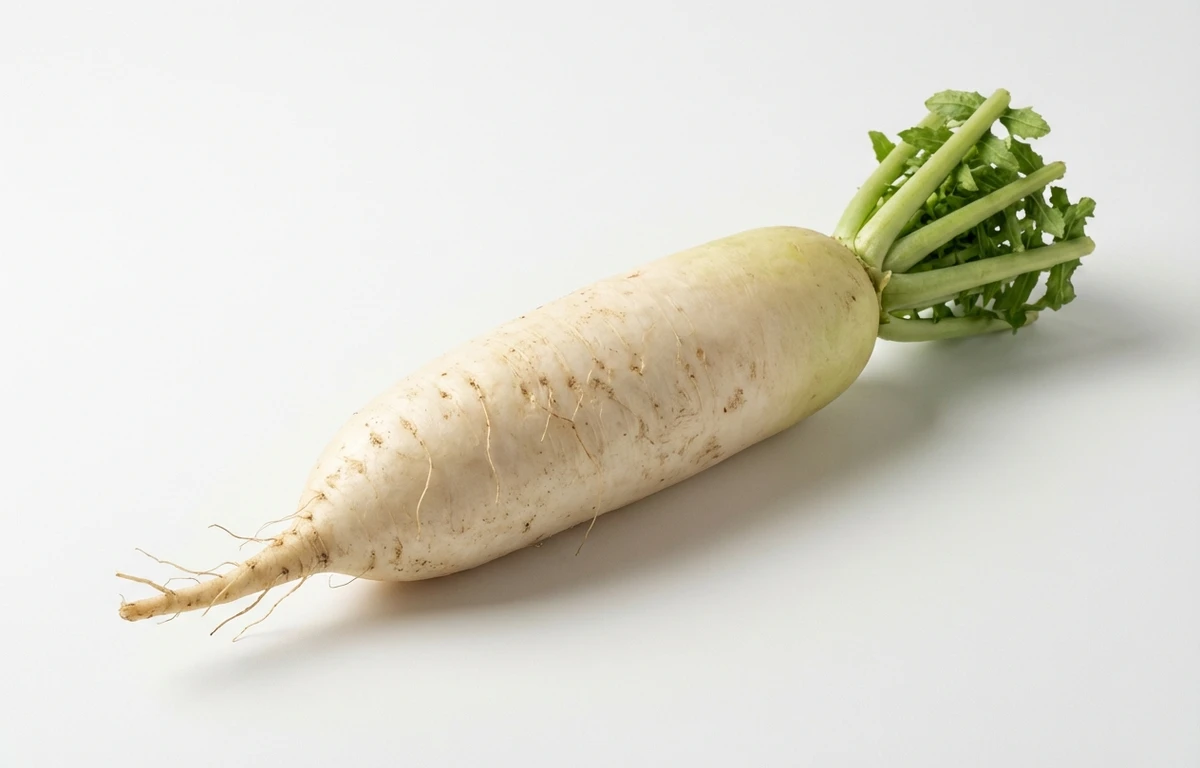
daikon radish.
VegetarianVeganGluten-freeDairy-freeNut-freePeanut-freeSoy-freeEgg-freeShellfish-freeHoney-freeAlcohol-freeHalalKosher
ALSO KNOWN AS
mooliwhite radishJapanese radishChinese radish
SERVING
CALORIES
18
PROTEIN
0.60g
CARBS
4.1g
FAT
0.10g
FIBER
1.6g
NUTRITION PROFILE · per 100 g
Everything in this ingredient.
MACRONUTRIENTS
Calories18kcal—
Protein0.60g1%
Carbohydrates4.1g1%
Fiber1.6g6%
Sugar2.5g5%
Total fat0.10g0%
Saturated fat0.03g0%
Trans fat0g—
Cholesterol0mg0%
Water94.6g—
MINERALS
Sodium21mg1%
Potassium227mg5%
Calcium27mg2%
Iron0.40mg2%
Magnesium16mg4%
Phosphorus23mg2%
Zinc0.15mg1%
Copper0.12mg13%
Manganese0.04mg2%
Selenium0.70µg1%
VITAMINS
Vitamin A0µg0%
Vitamin C22mg24%
Vitamin D0µg0%
Vitamin E0mg0%
Vitamin K0.30µg0%
Thiamin (B1)0.02mg2%
Riboflavin (B2)0.02mg2%
Niacin (B3)0.20mg1%
Pantothenic acid (B5)0.14mg3%
Vitamin B60.05mg3%
Folate (B9)28µg7%
Vitamin B120µg0%
%DV based on a 2,000 cal diet. Source: USDA FoodData Central. A dash in the %DV column means there’s no established Daily Value for that nutrient.
MEASUREMENT CONVERSIONS
How much is what.
1 cup116g
1 tablespoon7.3g
1 teaspoon2.4g
1 ml0.5g
1 liter483.3g
1 piece300g
HEALTH BENEFITS
Why eat it.
- ✓Rich in Vitamin C and antioxidants, which support immune function and combat cellular damage.
- ✓Contains digestive enzymes like amylase and protease that can aid in the breakdown of carbohydrates and proteins.
- ✓Low in calories and high in fiber, promoting satiety and supporting healthy weight management.
- ✓A good source of potassium, which helps regulate blood pressure and fluid balance.
COOKING TIPS
In the kitchen.
- 1Grate raw daikon to create 'daikon oroshi', a refreshing condiment for grilled fish, tempura, or soba noodles.
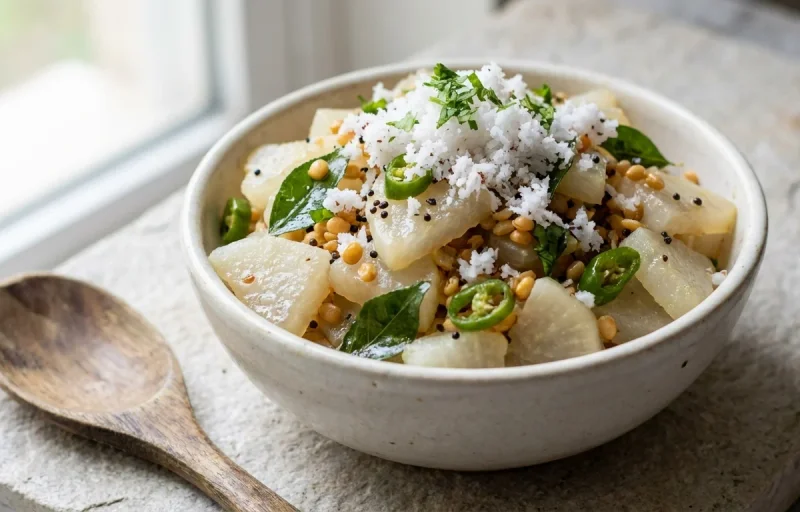
- 2Simmer chunks of daikon in broths, soups, and stews like Japanese oden; it becomes tender and absorbs savory flavors beautifully.
- 3Thinly slice and pickle in a brine of vinegar, sugar, and salt to make a crunchy, tangy side dish.
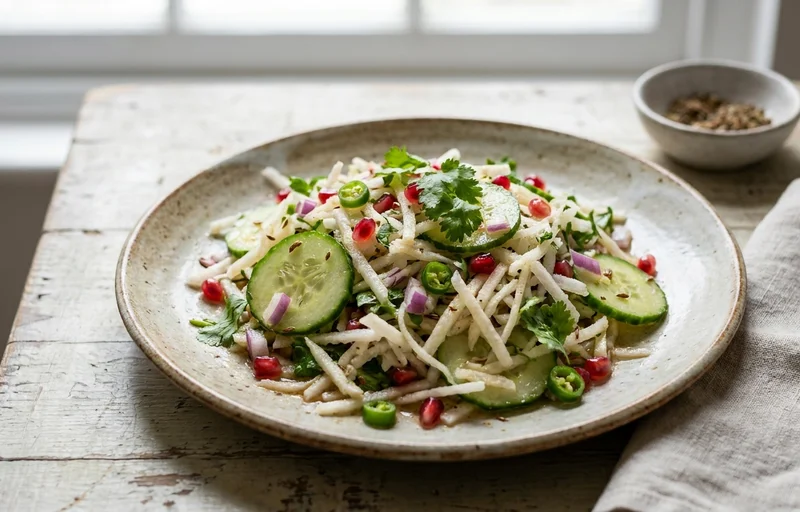
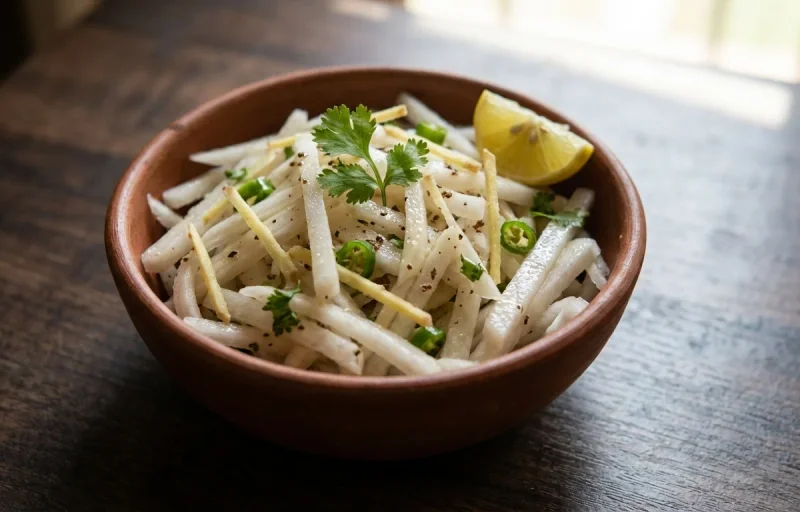
- 4Cut into matchsticks for stir-fries or add to salads for a crisp texture and mild, peppery flavor.
STORAGE
Keep it fresh.
- Remove the leaves (if attached) and store the unwashed root in a plastic bag in the refrigerator's crisper drawer for up to 2 weeks.
- For longer storage, peel and cut the daikon, blanch for 2-3 minutes, and freeze in an airtight container for several months.
FAQ
Frequently asked questions.
Is daikon radish healthy?
Yes, daikon radish is very healthy. It's low in calories and rich in essential nutrients like Vitamin C, which supports immune function. It also contains antioxidants and digestive enzymes that can aid in overall well-being.
What are the main nutritional benefits of daikon radish?
Daikon radish is an excellent source of Vitamin C, providing a significant portion of your daily needs. It also contains beneficial digestive enzymes like amylase and protease, and is a good source of potassium. Per 100g, it's very low in calories (18 kcal) and fat (0.1g), with 4.1g of carbohydrates and 0.6g of protein.
Is daikon radish good for weight loss?
Yes, daikon radish can be beneficial for weight loss. It is very low in calories and fat, while being high in water content and fiber. This combination helps promote satiety, making you feel full longer and potentially reducing overall calorie intake.
Is daikon radish keto-friendly or low-carb?
Yes, daikon radish is considered low-carb and can be suitable for a keto diet in moderation. With only 4.1g of carbohydrates per 100g, it's a much lower-carb alternative to many other root vegetables. Its mild flavor makes it a versatile addition to various low-carb dishes.
Is daikon radish vegan and gluten-free?
Yes, daikon radish is naturally vegan as it is a plant-based vegetable. It is also inherently gluten-free, making it a safe and healthy option for individuals following vegan or gluten-free diets.
How do you prepare and cook daikon radish?
Daikon radish is incredibly versatile. It can be eaten raw, grated into salads, or sliced thinly for pickles. Cooked, it can be simmered in stews, stir-fried, roasted, or added to soups, where it absorbs flavors beautifully and becomes tender.
What does daikon radish taste like?
Daikon radish has a mild, slightly sweet, and peppery flavor, less pungent than red radishes. When eaten raw, it's crisp and juicy. When cooked, its flavor mellows significantly, becoming sweeter and more delicate, with a tender, almost potato-like texture.
Can you eat daikon radish raw?
Yes, daikon radish can be eaten raw and is a popular way to enjoy it. Its crisp texture and mild flavor make it excellent in salads, slaws, or as a garnish. Eating it raw also preserves its full Vitamin C content and digestive enzymes.
How should you store daikon radish?
To store daikon radish, first remove the leafy greens, as they draw moisture from the root. Wrap the daikon tightly in plastic wrap or place it in a sealed bag, then store it in the crisper drawer of your refrigerator. It can last for 2-3 weeks when stored properly.
Do you need to peel daikon radish before eating?
Peeling daikon radish is optional. The skin is edible and contains nutrients, but it can be slightly tougher or have a more pronounced peppery flavor. For raw preparations or if you prefer a milder taste and smoother texture, peeling is recommended.
RECIPES
Cook with daikon radish.
10 recipes · sorted by what’s quick