Other7 recipes
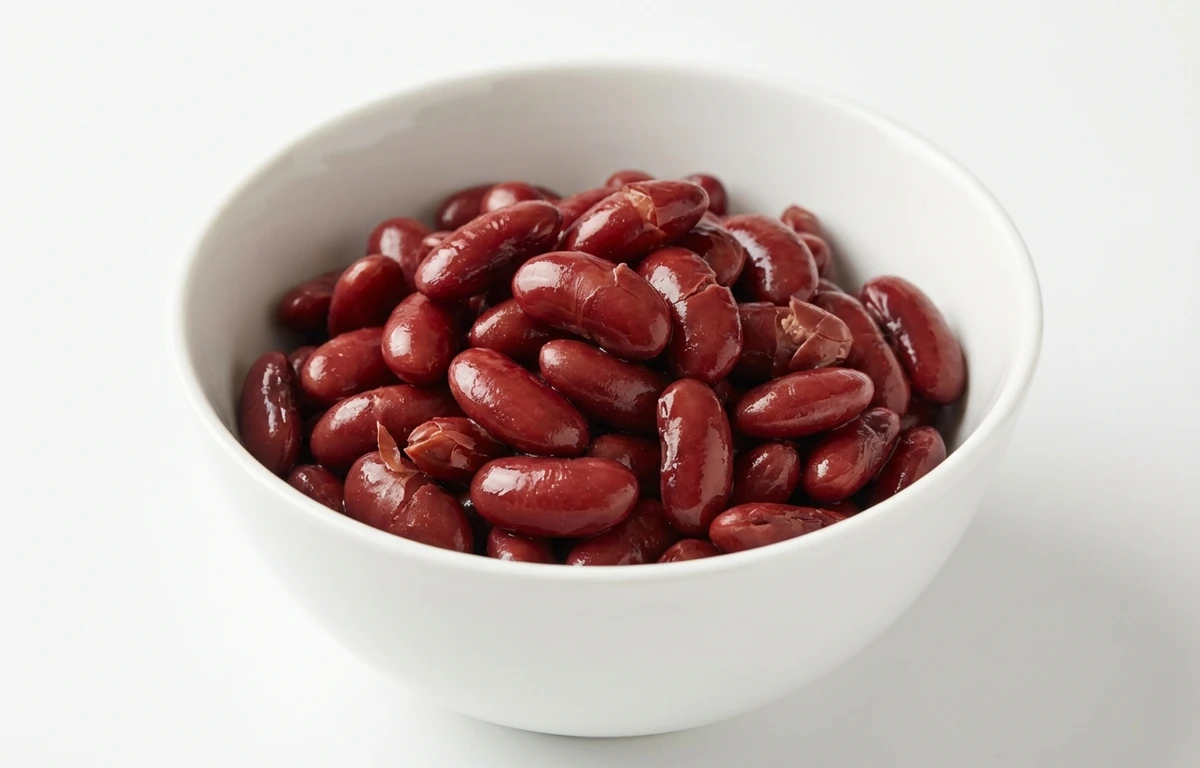
canned kidney beans.
VegetarianVeganGluten-freeDairy-freeNut-freePeanut-freeSoy-freeEgg-freeShellfish-freeHoney-freeAlcohol-free
ALSO KNOWN AS
canned rajmatinned kidney beanscanned red kidney beanstinned rajmatinned red kidney beans
SERVING
CALORIES
127
PROTEIN
8.7g
CARBS
22.8g
FAT
0.50g
FIBER
7.4g
NUTRITION PROFILE · per 100 g
Everything in this ingredient.
MACRONUTRIENTS
Calories127kcal—
Protein8.7g17%
Carbohydrates22.8g8%
Fiber7.4g26%
Sugar0.30g1%
Total fat0.50g1%
Saturated fat0.10g1%
Trans fat0g—
Cholesterol0mg0%
Water67g—
MINERALS
Sodium235mg10%
Potassium403mg9%
Calcium28mg2%
Iron2.2mg12%
Magnesium45mg11%
Phosphorus142mg11%
Zinc1.1mg10%
Copper0.20mg22%
Manganese0.50mg22%
Selenium1.2µg2%
VITAMINS
Vitamin A0µg0%
Vitamin C1.2mg1%
Vitamin D0µg0%
Vitamin E0.03mg0%
Vitamin K2.2µg2%
Thiamin (B1)0.16mg13%
Riboflavin (B2)0.06mg5%
Niacin (B3)0.60mg4%
Pantothenic acid (B5)0.20mg4%
Vitamin B60.12mg7%
Folate (B9)130µg33%
Vitamin B120µg0%
%DV based on a 2,000 cal diet. Source: USDA FoodData Central. A dash in the %DV column means there’s no established Daily Value for that nutrient.
MEASUREMENT CONVERSIONS
How much is what.
1 cup170g
1 tablespoon11g
1 teaspoon3.5g
1 oz28.4g
1 lb453.6g
1 ml118g
1 liter850g
HEALTH BENEFITS
Why eat it.
- ✓Excellent source of plant-based protein for muscle maintenance
- ✓High dietary fiber supports digestive health and regular bowel movements
- ✓Low glycemic index helps in managing blood sugar levels
- ✓Rich in folate and iron which support healthy blood cell production
- ✓Contains antioxidants that help reduce inflammation
COOKING TIPS
In the kitchen.
- 1Rinse thoroughly under cold water to reduce sodium content by up to 40%
- 2Add to hot dishes like chili or stews at the end of cooking to prevent mushiness
- 3Pat dry before adding to salads to ensure dressings adhere better
STORAGE
Keep it fresh.
- Store unopened cans in a cool, dry place for up to 2-5 years
- Once opened, transfer beans to a glass or plastic airtight container
- Refrigerate opened beans and consume within 3 to 4 days
FAQ
Frequently asked questions.
Do I need to cook canned kidney beans?
No, canned kidney beans are already pre-cooked during the canning process and are safe to eat straight from the can after rinsing.
Why should I rinse canned kidney beans?
Rinsing removes the metallic-tasting canning liquid and significantly reduces the sodium content added for preservation.
How long do they last after opening?
Once opened, they should be transferred out of the tin can and refrigerated in a sealed container for 3-4 days.
Can I freeze canned kidney beans?
Yes, you can freeze drained and rinsed canned beans in an airtight container or freezer bag for up to 6 months.
What is a good substitute for kidney beans?
Pinto beans, black beans, or cannellini beans are excellent substitutes depending on the texture and color required for the dish.
Are canned kidney beans as healthy as dried ones?
Nutritionally they are very similar, though canned versions are higher in sodium. Rinsing helps bridge this nutritional gap.
How can I tell if canned kidney beans have gone bad?
Discard if the can is bulging, leaking, or heavily dented. If opened, discard if they have a sour smell, slimy texture, or visible mold.
Can I use the liquid from the can?
While it can be used to thicken stews, it is very high in sodium and starch; most chefs recommend discarding and rinsing for better flavor.
Are kidney beans toxic if not cooked properly?
Raw kidney beans contain high levels of phytohaemagglutinin (a lectin). However, canned beans are fully cooked and the toxins are destroyed.
Are they suitable for a keto diet?
Generally no, as they are high in carbohydrates and starches, which usually exceeds keto macro limits.
RECIPES
Cook with canned kidney beans.
7 recipes · sorted by what’s quick