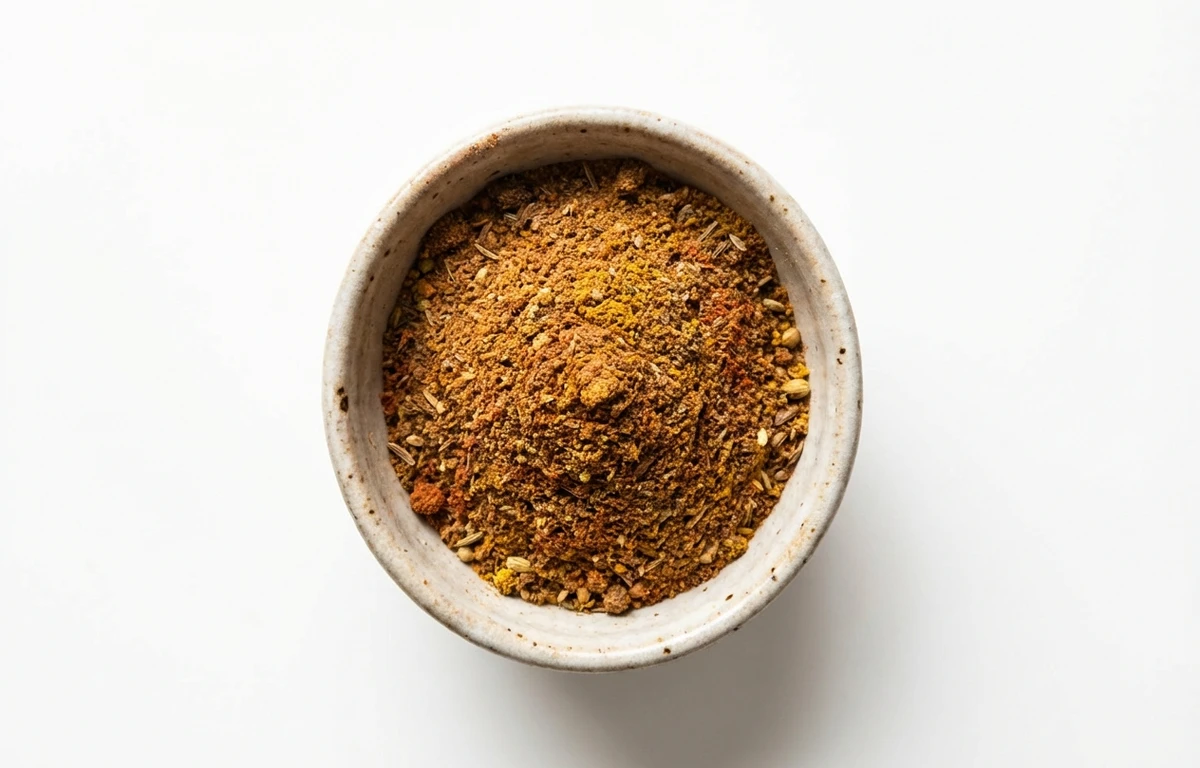
legume product7 recipes
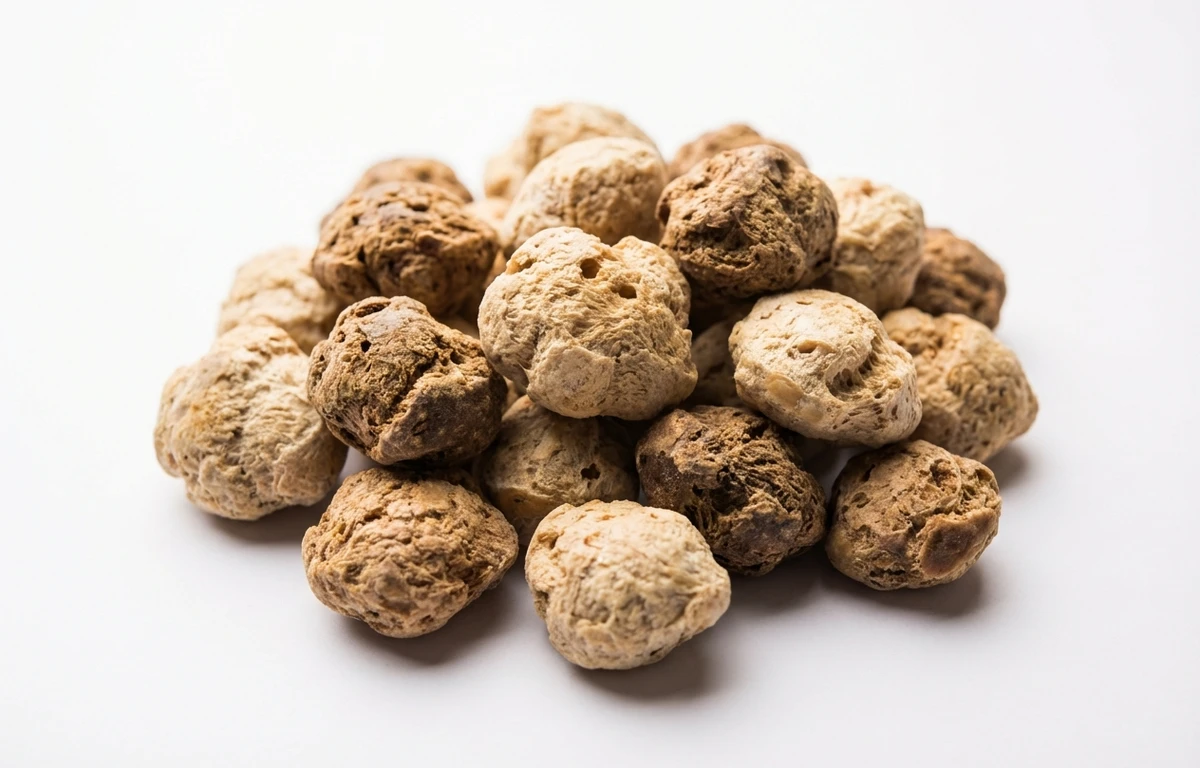
Badi.
VegetarianVeganGluten-freeDairy-freeNut-freePeanut-freeSoy-freeEgg-freeShellfish-freeHoney-freeAlcohol-free
ALSO KNOWN AS
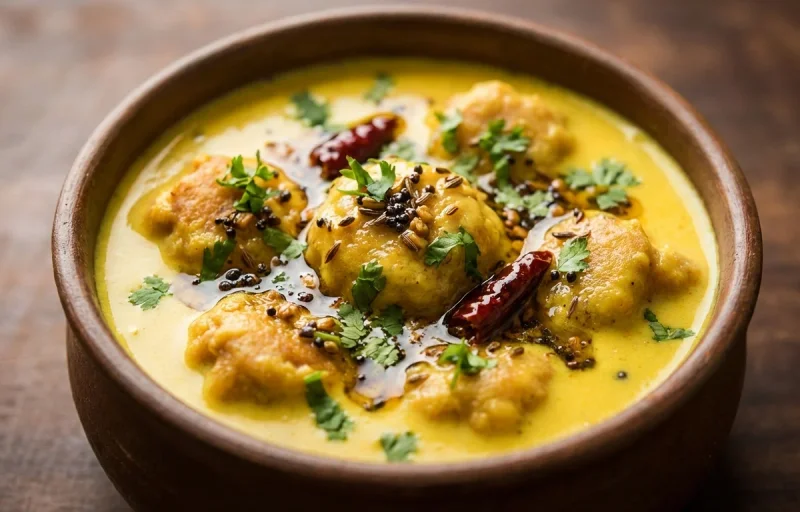
VadiBadiMangodiWadiMoong Dal VadiSundried Lentil Dumplings
SERVING
CALORIES
350
PROTEIN
22g
CARBS
60g
FAT
1.5g
FIBER
15g
NUTRITION PROFILE · per 100 g
Everything in this ingredient.
MACRONUTRIENTS
Calories350kcal—
Protein22g44%
Carbohydrates60g22%
Fiber15g54%
Sugar2.0g4%
Total fat1.5g2%
Saturated fat0.20g1%
Water10g—
MINERALS
Sodium50mg2%
Potassium900mg19%
Calcium150mg12%
Iron7.0mg39%
Magnesium180mg43%
Phosphorus350mg28%
Zinc3.0mg27%
Copper0.80mg89%
Manganese1.5mg65%
Selenium5.0µg9%
VITAMINS
Vitamin E0.50mg3%
Vitamin K5.0µg4%
Thiamin (B1)0.40mg33%
Riboflavin (B2)0.20mg15%
Niacin (B3)2.0mg13%
Pantothenic acid (B5)0.50mg10%
Vitamin B60.30mg18%
Folate (B9)400µg100%
%DV based on a 2,000 cal diet. Source: USDA FoodData Central. A dash in the %DV column means there’s no established Daily Value for that nutrient.
MEASUREMENT CONVERSIONS
How much is what.
1 oz3.5g
1 lb0.2g
1 piece25g
HEALTH BENEFITS
Why eat it.
- ✓Rich in plant-based protein, essential for muscle repair and growth.
- ✓High in dietary fiber, aiding digestion and promoting satiety.
- ✓Good source of iron, important for red blood cell formation and preventing anemia.
- ✓Provides various B vitamins, crucial for energy metabolism.
- ✓Low in fat and cholesterol-free.
COOKING TIPS
In the kitchen.
- 1Typically deep-fried or shallow-fried until golden brown before adding to curries.
- 2Can be soaked in warm water for 15-20 minutes to soften before cooking, reducing cooking time.
- 3Best used in lentil-based curries (dal), vegetable stews, or as a crunchy topping.
STORAGE
Keep it fresh.
- Store in an airtight container in a cool, dry place.
- Protect from moisture to prevent spoilage and mold.
- Can be stored for several months to a year.
FAQ
Frequently asked questions.
Is Badi healthy?
Yes, Badi is a highly nutritious legume-based food. It is rich in plant-based protein and dietary fiber, which supports muscle repair, digestion, and heart health while being naturally low in fat and cholesterol-free.
How much protein is in Badi?
Badi is an excellent source of vegetarian protein, containing approximately 22 grams of protein per 100 grams. This makes it a great meat substitute for those looking to increase their protein intake for muscle maintenance.
Is Badi good for weight loss?
Badi can be beneficial for weight loss because it is high in dietary fiber and protein, both of which promote satiety and keep you full for longer. However, since it contains 350 calories per 100g, it should be consumed in moderate portions as part of a balanced diet.
Is Badi vegan and gluten-free?
Badi is typically vegan as it is made from ground lentils and spices. While lentils are naturally gluten-free, some commercial varieties may use small amounts of wheat flour or hing (asafoetida) which contains gluten, so it is important to check the label if you have a sensitivity.
Is Badi keto-friendly?
No, Badi is not considered keto-friendly. With 60 grams of carbohydrates per 100 grams, it is too high in carbs for a strict ketogenic diet, which usually requires much lower carbohydrate intake.
How do you cook Badi?
Badi is usually shallow-fried or deep-fried in a little oil until golden brown before being added to curries, stews, or rice dishes. This frying step helps the Badi maintain its structure and adds a nutty flavor when it is later simmered in liquid.
What does Badi taste like?
Badi has a savory, earthy, and slightly nutty flavor derived from dried lentils. Depending on the spices used during its preparation, it can range from mild to spicy and develops a unique, chewy texture once cooked in a gravy.
Do I need to soak Badi before cooking?
No, you do not need to soak Badi. It is traditionally lightly fried first and then simmered directly in a sauce or gravy until it becomes soft and absorbs the surrounding flavors.
How do you store Badi and how long does it last?
Badi should be stored in an airtight container in a cool, dry place away from moisture. When kept properly dry, it has an excellent shelf life and can last for 6 to 12 months.
Can I eat Badi raw?
No, Badi should not be eaten raw. It is made from dried lentil paste and is very hard and indigestible in its raw state; it must be fried and then boiled or simmered to become edible and safe for consumption.
RECIPES
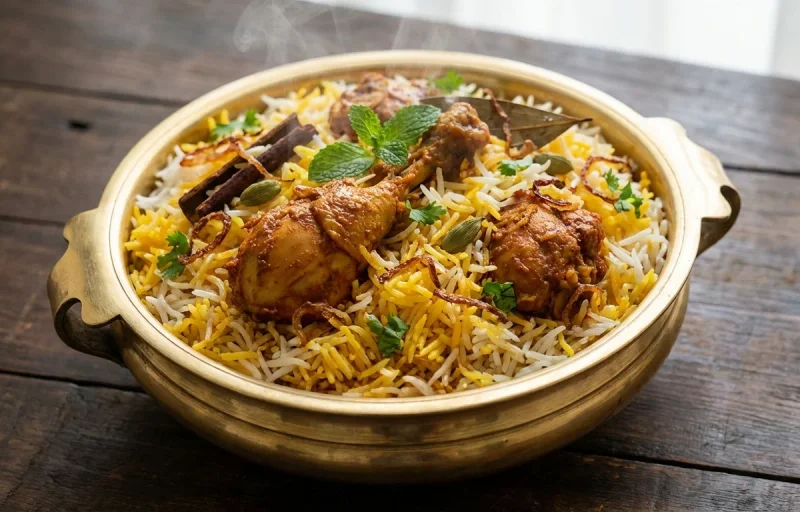
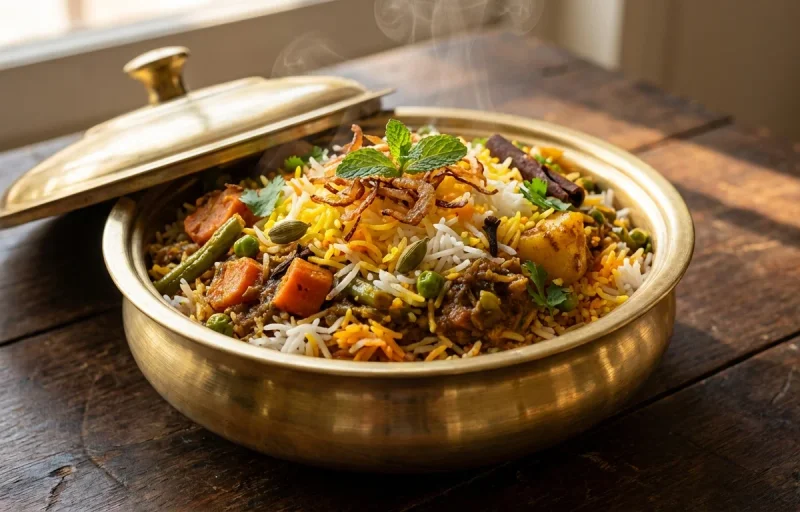
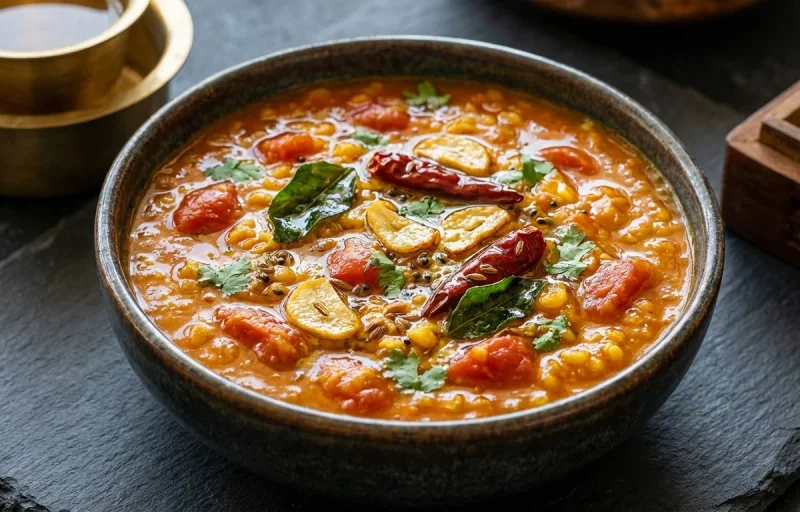
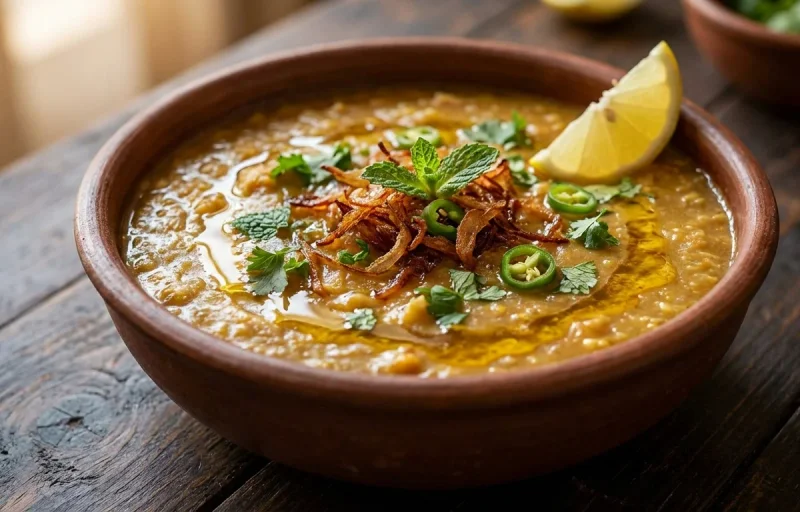
Cook with badi.
7 recipes · sorted by what’s quick