Spice10 recipes
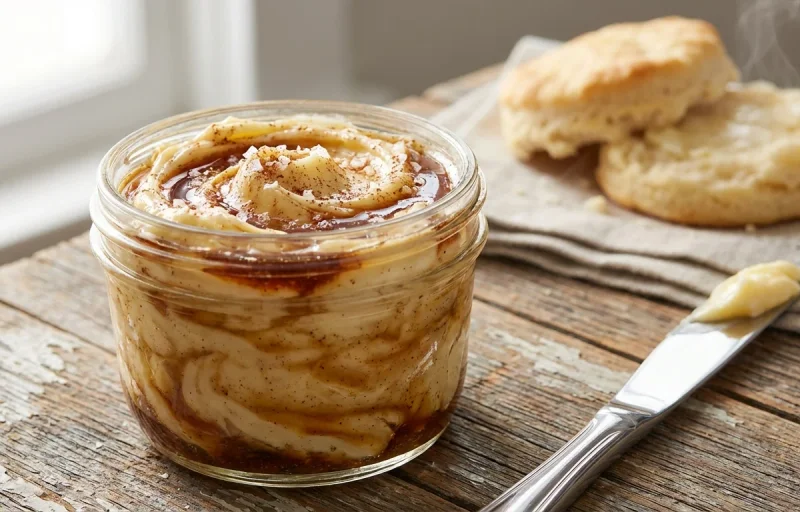
unsalted butter.
VegetarianVeganGluten-freeDairy-freeNut-freePeanut-freeSoy-freeEgg-freeShellfish-freeHoney-freeAlcohol-free
ALSO KNOWN AS
sweet butter
SERVING
CALORIES
717
PROTEIN
0.85g
CARBS
0.06g
FAT
81.1g
FIBER
0g
NUTRITION PROFILE · per 100 g
Everything in this ingredient.
MACRONUTRIENTS
Calories717kcal—
Protein0.85g2%
Carbohydrates0.06g0%
Fiber0g0%
Sugar0.06g0%
Total fat81.1g104%
Saturated fat51.4g257%
Cholesterol215mg72%
Water15.9g—
MINERALS
Sodium11mg0%
Potassium24mg1%
Calcium24mg2%
Iron0.02mg0%
Magnesium1.6mg0%
Phosphorus19mg2%
Zinc0.07mg1%
Copper0mg0%
Manganese0mg0%
VITAMINS
Vitamin A684µg76%
Vitamin C0mg0%
Vitamin D1.5µg8%
Thiamin (B1)0.01mg1%
Riboflavin (B2)0.03mg2%
Niacin (B3)0.04mg0%
Vitamin B60mg0%
%DV based on a 2,000 cal diet. Source: USDA FoodData Central. A dash in the %DV column means there’s no established Daily Value for that nutrient.
MEASUREMENT CONVERSIONS
How much is what.
1 cup227g
1 tablespoon14.2g
1 teaspoon4.7g
1 oz28.4g
1 lb453.6g
1 ml1g
1 liter946.7g
HEALTH BENEFITS
Why eat it.
- ✓Rich source of fat-soluble vitamins such as Vitamin A, E, and K2.
- ✓Contains butyrate, a short-chain fatty acid that may support gut health and reduce inflammation.
- ✓Provides Conjugated Linoleic Acid (CLA), which has been linked in some studies to modest fat loss benefits.
- ✓A concentrated source of energy due to its high-fat content.
COOKING TIPS
In the kitchen.
- 1Ideal for baking as it allows for precise control over the salt content, which affects the texture and flavor of baked goods like cakes and pastries.
- 2Melt slowly over low heat to create brown butter (beurre noisette), which has a nutty aroma and is excellent for sauces, pasta, and baked goods.
- 3Clarify butter by melting it and skimming off the milk solids to create ghee, which has a higher smoke point (around 485°F or 252°C) suitable for frying and sautéing.
- 4Bring to room temperature before use in recipes that require creaming with sugar, as softened butter incorporates more air, resulting in a lighter texture.
STORAGE
Keep it fresh.
- Store in the refrigerator at or below 40°F (4°C) in its original wrapper or an airtight container for up to 3 months to prevent spoilage and absorption of other food odors.
- For long-term storage, freeze for up to one year. Wrap it tightly in plastic wrap or foil and place it in a freezer bag.
- Keep a small amount in a covered butter dish at room temperature for up to two weeks for easy spreading, if the room is cool.
FAQ
Frequently asked questions.
Is unsalted butter healthy?
Unsalted butter is a rich source of fat-soluble vitamins like A, E, and K2, and contains butyrate which supports gut health. However, it is very high in calories (717 per 100g) and saturated fat, so it should be consumed in moderation as part of a balanced diet.
What are the main health benefits of unsalted butter?
It provides essential fat-soluble vitamins and Conjugated Linoleic Acid (CLA), which may have modest fat loss benefits. It also contains butyrate, a short-chain fatty acid that helps reduce inflammation and supports digestive health.
Is unsalted butter keto-friendly?
Yes, unsalted butter is highly keto-friendly because it is almost entirely fat with negligible carbohydrates (0.06g per 100g). It is a staple in ketogenic diets for increasing fat intake and providing sustained energy.
Why use unsalted butter instead of salted butter in baking?
Unsalted butter is preferred in baking because it allows the baker to have complete control over the salt content of the recipe. Different brands of salted butter have varying salt levels, which can inconsistently affect the flavor and chemistry of baked goods.
Can I substitute unsalted butter with salted butter?
Yes, you can substitute them by adjusting the added salt in your recipe. Generally, if using salted butter instead of unsalted, reduce the additional salt in the recipe by about 1/4 teaspoon per half-cup (one stick) of butter.
Is unsalted butter lactose-free?
No, unsalted butter is not strictly lactose-free, but it is very low in lactose because the milk solids are mostly removed during churning. Most people with mild lactose intolerance can tolerate butter, though those with severe allergies should choose clarified butter (ghee).
How should I store unsalted butter and how long does it last?
Store unsalted butter in the refrigerator in its original wrapper or an airtight container to prevent it from absorbing odors. It typically lasts 1-3 months in the fridge, though it spoils faster than salted butter because it lacks salt as a preservative.
Can you freeze unsalted butter?
Yes, unsalted butter freezes very well and can be stored in the freezer for up to 6-9 months. For best results, wrap it tightly in foil or place it in a heavy-duty freezer bag to prevent freezer burn.
Is unsalted butter vegan?
No, unsalted butter is not vegan as it is a dairy product made from cow's milk. Vegans should use plant-based butter alternatives made from oils like coconut, olive, or avocado oil.
What is the smoke point of unsalted butter?
The smoke point of unsalted butter is relatively low, around 350°F (175°C). This makes it suitable for sautéing and baking, but not ideal for high-heat frying, as the milk solids will burn and turn bitter.
RECIPES
Cook with unsalted butter.
10 recipes · sorted by what’s quick