Dairy
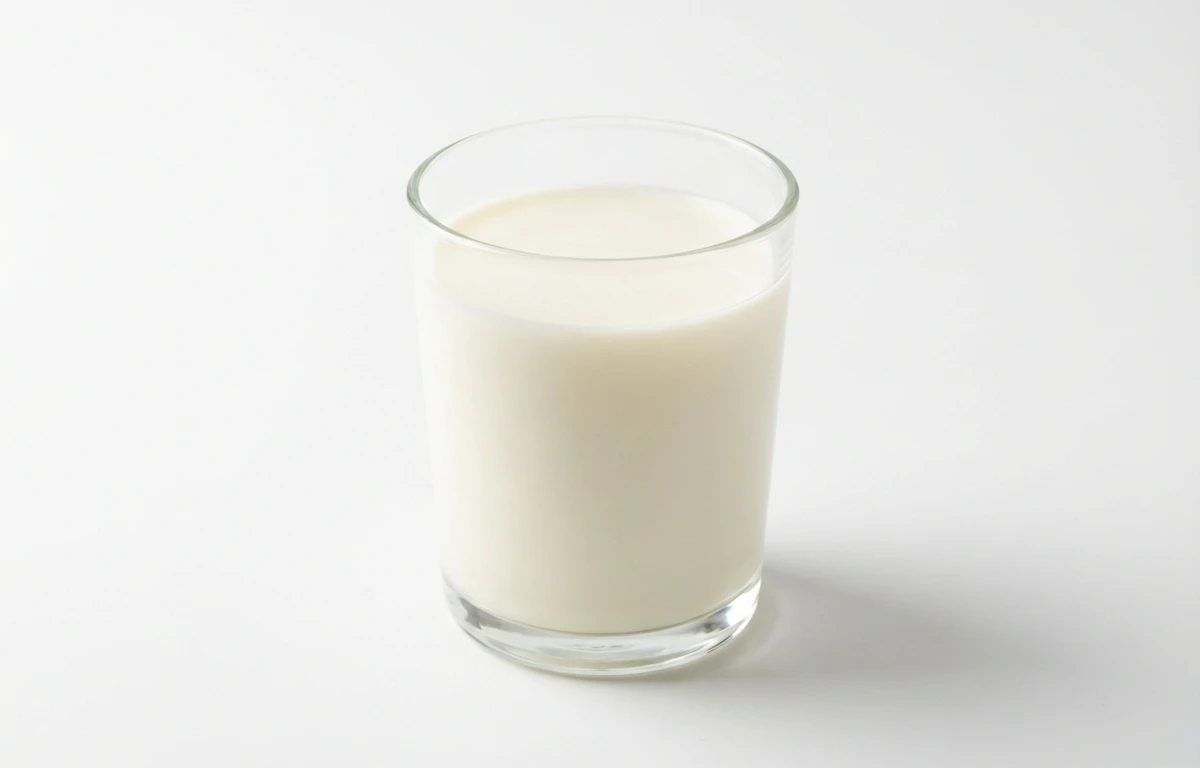
sheep milk.
VegetarianVeganGluten-freeDairy-freeNut-freePeanut-freeSoy-freeEgg-freeShellfish-freeHoney-freeAlcohol-free
ALSO KNOWN AS
ewe milk
SERVING
CALORIES
108
PROTEIN
6.0g
CARBS
5.4g
FAT
7.0g
FIBER
0g
NUTRITION PROFILE · per 100 g
Everything in this ingredient.
MACRONUTRIENTS
Calories108kcal—
Protein6.0g12%
Carbohydrates5.4g2%
Fiber0g0%
Sugar5.4g11%
Total fat7.0g9%
Saturated fat4.6g23%
Trans fat0g—
Cholesterol27mg9%
Water80.7g—
MINERALS
Sodium44mg2%
Potassium137mg3%
Calcium193mg15%
Iron0.10mg1%
Magnesium18mg4%
Phosphorus158mg13%
Zinc0.50mg5%
Copper0.04mg4%
Manganese0.01mg0%
Selenium1.0µg2%
VITAMINS
Vitamin A44µg5%
Vitamin C4.2mg5%
Vitamin D0.10µg1%
Vitamin E0.11mg1%
Vitamin K0.30µg0%
Thiamin (B1)0.06mg5%
Riboflavin (B2)0.35mg27%
Niacin (B3)0.42mg3%
Pantothenic acid (B5)0.41mg8%
Vitamin B60.06mg4%
Folate (B9)7.0µg2%
Vitamin B120.71µg30%
%DV based on a 2,000 cal diet. Source: USDA FoodData Central. A dash in the %DV column means there’s no established Daily Value for that nutrient.
MEASUREMENT CONVERSIONS
How much is what.
1 cup245g
1 tablespoon15.3g
1 teaspoon5.1g
1 ml1g
1 liter1020.8g
HEALTH BENEFITS
Why eat it.
- ✓Exceptionally rich in nutrients, containing nearly double the protein, fat, calcium, and B vitamins of cow's milk.
- ✓Often easier to digest due to smaller fat globules and a higher concentration of medium-chain triglycerides (MCTs).
- ✓Primarily contains A2-type beta-casein, which may reduce digestive discomfort for individuals sensitive to the A1 casein in conventional cow's milk.
- ✓High content of calcium, zinc, and magnesium supports strong bone density and overall skeletal health.
COOKING TIPS
In the kitchen.
- 1Its high fat and protein content creates exceptionally rich and creamy cheeses (like Feta, Roquefort, Pecorino), yogurt, and ice cream.
- 2When heating, use gentle, low-to-medium heat and stir constantly to prevent scorching, as its high solids content can cause it to burn easily.
- 3Use as a 1:1 substitute for cow's milk in baking recipes for a richer flavor and more tender crumb.
- 4The naturally sweet and nutty flavor enhances coffee, lattes, and smoothies, often reducing the need for added sweeteners.
STORAGE
Keep it fresh.
- Keep refrigerated at all times at or below 40°F (4°C).
- Consume fresh, pasteurized sheep milk within 5-7 days of opening for optimal quality and safety.
FAQ
Frequently asked questions.
Is sheep milk healthier than cow milk?
Sheep milk is more nutrient-dense than cow milk, containing nearly double the protein, calcium, and B vitamins. While it is higher in calories and fat, its rich profile provides more essential minerals per serving, making it a highly nutritious dairy option.
How much protein is in sheep milk?
Sheep milk contains approximately 6 grams of protein per 100g. This is significantly higher than cow or goat milk, making it an excellent choice for muscle maintenance and those looking to increase their protein intake.
Is sheep milk easier to digest than cow milk?
Yes, sheep milk is often easier to digest because it has smaller fat globules and a higher concentration of medium-chain triglycerides (MCTs). It also primarily contains A2-type beta-casein, which is less likely to cause digestive discomfort than the A1 casein found in most cow milk.
Is sheep milk lactose-free?
No, sheep milk is not lactose-free and contains similar levels of lactose to cow milk. However, some people with mild lactose sensitivities find they can tolerate it better due to its unique protein and fat structure.
What does sheep milk taste like?
Sheep milk has a rich, creamy, and slightly sweet flavor with a mild nutty undertone. It is generally less tangy than goat milk and lacks the 'gamey' flavor some associate with other non-cow dairy products.
Can I use sheep milk in coffee or for baking?
Yes, sheep milk is excellent for coffee as its high fat and protein content creates a rich, stable foam. In baking, it can be used as a 1:1 substitute for cow milk, adding a creamier texture and richer flavor to recipes.
Is sheep milk keto-friendly?
Sheep milk can be included in a keto diet in moderation. With 7g of fat and 6g of protein per 100g, it has a favorable fat-to-carb ratio, though you should account for the 5.4g of carbohydrates per serving.
How does sheep milk benefit bone health?
Sheep milk is exceptionally high in calcium, zinc, and magnesium, which are vital for maintaining bone density. It provides significantly more calcium than cow or goat milk, supporting overall skeletal strength.
Can you freeze sheep milk?
Yes, sheep milk freezes very well because of its high solids content. It can be stored in the freezer for up to six months; simply thaw it in the refrigerator and shake well before use to reintegrate the fats.
How long does fresh sheep milk last in the refrigerator?
Fresh sheep milk typically lasts between 5 to 10 days when kept refrigerated at or below 40°F (4°C). Because of its high protein and fat content, it may stay fresh slightly longer than cow milk, but always check for off-smells or changes in texture before consuming.