Spice9 recipes
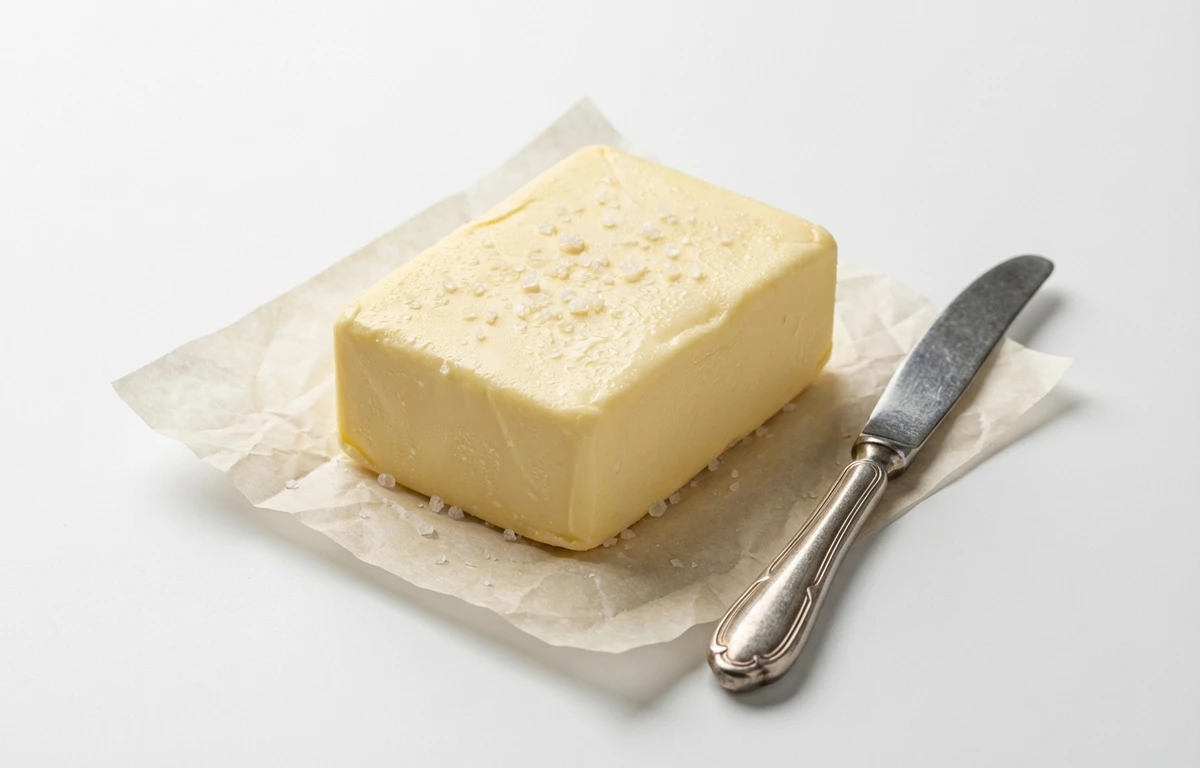
salted butter.
VegetarianVeganGluten-freeDairy-freeNut-freePeanut-freeSoy-freeEgg-freeShellfish-freeHoney-freeAlcohol-free
ALSO KNOWN AS
butter with salt
SERVING
CALORIES
717
PROTEIN
0.85g
CARBS
0.06g
FAT
81.1g
FIBER
0g
NUTRITION PROFILE · per 100 g
Everything in this ingredient.
MACRONUTRIENTS
Calories717kcal—
Protein0.85g2%
Carbohydrates0.06g0%
Fiber0g0%
Sugar0.06g0%
Total fat81.1g104%
Saturated fat51.4g257%
Trans fat3.3g—
Cholesterol215mg72%
Water16.2g—
MINERALS
Sodium643mg28%
Potassium24mg1%
Calcium24mg2%
Iron0.02mg0%
Magnesium2.0mg0%
Phosphorus24mg2%
Zinc0.09mg1%
Copper0mg0%
Manganese0mg0%
Selenium1.0µg2%
VITAMINS
Vitamin A684µg76%
Vitamin C0mg0%
Vitamin D1.5µg8%
Vitamin E2.3mg15%
Vitamin K7.0µg6%
Thiamin (B1)0.01mg1%
Riboflavin (B2)0.03mg2%
Niacin (B3)0.04mg0%
Pantothenic acid (B5)0.11mg2%
Vitamin B60mg0%
Folate (B9)3.0µg1%
Vitamin B120.17µg7%
%DV based on a 2,000 cal diet. Source: USDA FoodData Central. A dash in the %DV column means there’s no established Daily Value for that nutrient.
MEASUREMENT CONVERSIONS
How much is what.
1 cup227g
1 tablespoon14.2g
1 teaspoon4.7g
1 ml0.9g
1 liter946.7g
HEALTH BENEFITS
Why eat it.
- ✓Good source of fat-soluble vitamins, including Vitamin A, E, and K2, which are important for vision, immune function, and bone health.
- ✓Contains butyrate, a short-chain fatty acid that can support gut health and may have anti-inflammatory properties.
- ✓Provides conjugated linoleic acid (CLA), a fatty acid linked in some studies to potential benefits like reduced body fat and improved immune function.
- ✓Rich source of energy from saturated fats, which are essential for hormone production and cellular function when consumed in moderation.
COOKING TIPS
In the kitchen.
- 1When baking, use softened (room temperature) butter to cream with sugar. This incorporates air, resulting in a lighter texture for cakes and cookies.
- 2To make brown butter ('beurre noisette'), melt butter over medium heat until the milk solids turn golden brown and release a nutty aroma. Use it as a sauce for pasta, fish, or vegetables.
- 3Since it's already salted, reduce the amount of additional salt in your recipe. Taste as you go to avoid over-salting, especially in savory dishes.
- 4Use for sautéing at low to medium heat. The milk solids in butter can burn at high temperatures, so for high-heat searing, consider using clarified butter (ghee) or a different oil.
STORAGE
Keep it fresh.
- Store in the refrigerator at or below 40°F (4°C) in its original wrapper or an airtight container to prevent it from absorbing other food odors. It typically lasts for 1-3 months.
- For long-term storage, freeze butter for up to 9 months. Wrap it tightly in plastic wrap and then place it in a freezer-safe bag or aluminum foil to prevent freezer burn.
FAQ
Frequently asked questions.
Is salted butter healthy?
Salted butter is a good source of fat-soluble vitamins like A, E, and K2, and contains butyrate which supports gut health. However, it is high in saturated fat and sodium, so it should be consumed in moderation as part of a balanced diet.
How many calories and fat are in salted butter?
Salted butter is very calorie-dense, containing approximately 717 calories and 81.11g of fat per 100g. It contains negligible amounts of protein (0.85g) and carbohydrates (0.06g).
Is salted butter keto-friendly?
Yes, salted butter is excellent for a keto or low-carb diet. With nearly zero carbohydrates and a high fat content, it helps individuals meet their daily fat macros while providing a rich source of energy.
Can I use salted butter for baking?
Yes, you can use salted butter in baking, but it may affect the final flavor of the recipe. Since the salt content in butter varies by brand, most bakers prefer unsalted butter to have total control over the salt levels in their doughs and batters.
Is salted butter vegan?
No, salted butter is not vegan. It is a dairy product made by churning cream or milk, which are animal-derived ingredients. Vegans should look for plant-based butter alternatives made from vegetable oils.
Is salted butter lactose-free?
Salted butter is very low in lactose because the watery component of the milk is removed during churning. While many people with mild lactose intolerance can tolerate it, it is not strictly lactose-free and may cause issues for those with severe sensitivities.
How should I store salted butter and how long does it last?
Salted butter should be kept in the refrigerator, where it typically lasts for 1 to 3 months. Because salt acts as a preservative, it can stay on the counter in a butter dish for 1 to 2 weeks, provided the room temperature is not too high.
Can I freeze salted butter?
Yes, salted butter freezes very well. When kept in its original packaging and placed inside a freezer-safe bag, it can maintain its quality for 6 to 9 months. Thaw it in the refrigerator before use.
What is the difference between salted and unsalted butter?
The primary difference is the added salt, which enhances flavor and acts as a preservative, giving salted butter a longer shelf life. Salted butter is generally used as a spread or for finishing dishes, while unsalted is the standard for professional baking.
Is salted butter good for weight loss?
While salted butter is high in calories, its fat content can promote satiety and help you feel full longer. However, due to its high energy density (717 calories per 100g), it must be used sparingly to avoid exceeding daily calorie goals.
RECIPES
Cook with salted butter.
9 recipes · sorted by what’s quick