Dairy
romano cheese.
VegetarianVeganGluten-freeDairy-freeNut-freePeanut-freeSoy-freeEgg-freeShellfish-freeHoney-freeAlcohol-freeFermented
ALSO KNOWN AS
romano
SERVING
CALORIES
387
PROTEIN
31.8g
CARBS
3.6g
FAT
26.9g
FIBER
0g
NUTRITION PROFILE · per 100 g
Everything in this ingredient.
MACRONUTRIENTS
Calories387kcal—
Protein31.8g64%
Carbohydrates3.6g1%
Fiber0g0%
Sugar0.73g1%
Total fat26.9g35%
Saturated fat17.1g86%
Cholesterol104mg35%
Water30.9g—
MINERALS
Sodium1433mg62%
Potassium86mg2%
Calcium1064mg82%
Iron0.77mg4%
Magnesium41mg10%
Phosphorus760mg61%
Zinc2.6mg23%
Copper0.03mg3%
Manganese0.02mg1%
Selenium14.5µg26%
VITAMINS
Vitamin A96µg11%
Vitamin C0mg0%
Vitamin D0.50µg3%
Vitamin E0.23mg2%
Vitamin K2.2µg2%
Thiamin (B1)0.04mg3%
Riboflavin (B2)0.37mg28%
Niacin (B3)0.08mg1%
Pantothenic acid (B5)0.42mg8%
Vitamin B60.09mg5%
Folate (B9)7.0µg2%
Vitamin B121.1µg47%
%DV based on a 2,000 cal diet. Source: USDA FoodData Central. A dash in the %DV column means there’s no established Daily Value for that nutrient.
MEASUREMENT CONVERSIONS
How much is what.
1 cup105g
1 tablespoon6.6g
1 teaspoon2.2g
1 ml0.4g
1 liter440g
HEALTH BENEFITS
Why eat it.
- ✓Rich source of calcium and phosphorus, essential for strong bones and teeth.
- ✓Provides high-quality complete protein, containing all essential amino acids for muscle maintenance and repair.
- ✓Contains beneficial fatty acids like Conjugated Linoleic Acid (CLA), particularly in sheep's milk varieties.
- ✓Good source of Vitamin B12, crucial for nerve function and red blood cell formation.
COOKING TIPS
In the kitchen.
- 1Due to its hard texture and low moisture content, Romano is best for grating rather than melting. Use a microplane for a fine, fluffy texture.
- 2Romano is significantly saltier and sharper than Parmesan; use it more sparingly and adjust the salt in your recipe accordingly.
- 3Add grated Romano at the end of cooking to pasta dishes, soups, and sauces to preserve its pungent, nutty flavor.
- 4The rind can be added to soups, stocks, or sauces during simmering to impart a deep, savory flavor, and should be removed before serving.
STORAGE
Keep it fresh.
- Wrap the cheese wedge first in parchment or wax paper, then loosely in plastic wrap, and store in the refrigerator's cheese drawer for up to 6 weeks.
- For longer storage, hard cheeses like Romano can be frozen, but the texture may become more crumbly upon thawing. Best for grating after freezing.
- Store grated Romano in an airtight container in the refrigerator and use within one week for optimal flavor and freshness.
FAQ
Frequently asked questions.
Is Romano cheese healthy?
Romano cheese is a nutrient-dense dairy product that is an excellent source of calcium and phosphorus for bone health. It also provides high-quality protein and Vitamin B12, though it should be consumed in moderation due to its high sodium and saturated fat content.
How much protein is in Romano cheese?
Romano cheese is very high in protein, containing approximately 31.8 grams per 100g. This makes it an excellent source of complete protein, providing all essential amino acids necessary for muscle repair and maintenance.
Is Romano cheese keto-friendly?
Yes, Romano cheese is highly keto-friendly because it is high in fat and very low in carbohydrates. With only about 3.63g of carbs per 100g, it fits easily into a low-carb or ketogenic diet.
Is Romano cheese lactose-free?
While not strictly lactose-free, Romano is a hard, aged cheese, a process that naturally breaks down most of the lactose. Many people with mild lactose intolerance can tolerate it, but those with severe sensitivities should test small amounts first.
Is Romano cheese vegetarian?
Traditional Romano cheese, particularly Pecorino Romano, is often made using animal rennet, which means it is not strictly vegetarian. However, some modern brands use microbial or vegetable-based rennet, so it is important to check the specific product label.
What does Romano cheese taste like?
Romano cheese has a very sharp, salty, and tangy flavor profile that is significantly more intense than Parmesan. It often has a slightly piquant or peppery finish, especially when made from sheep's milk.
Can I substitute Romano cheese with Parmesan?
Yes, Parmesan is the most common substitute for Romano cheese due to their similar hard textures. However, since Parmesan is milder and less salty, you may need to adjust the seasoning in your recipe to compensate for the loss of Romano's sharp tang.
How should I store Romano cheese and how long does it last?
Store Romano cheese in the refrigerator wrapped tightly in parchment paper or wax paper. A solid wedge can last for 4 to 6 months, while pre-grated Romano should be used within 1 to 2 weeks for the best flavor and safety.
Can I freeze Romano cheese?
Yes, you can freeze Romano cheese, especially if it is already grated. While freezing may make the texture slightly more crumbly, the flavor remains intact, making it perfectly suitable for use in cooked dishes like sauces and casseroles.
What are the best ways to use Romano cheese in cooking?
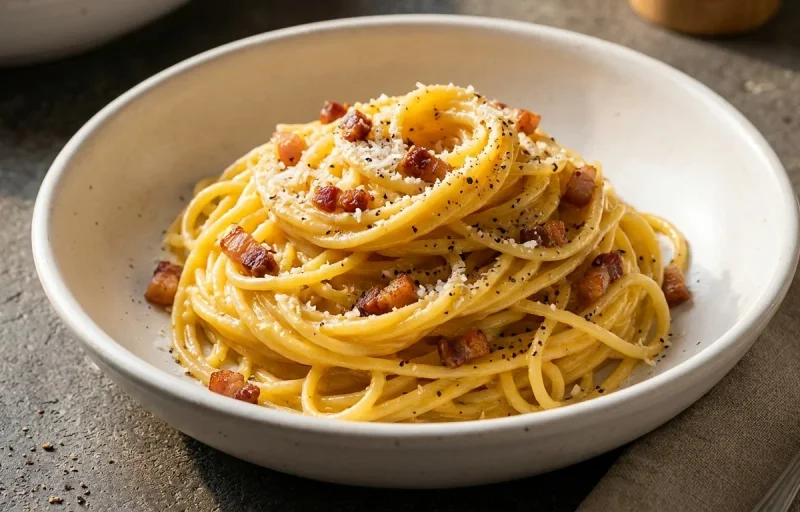
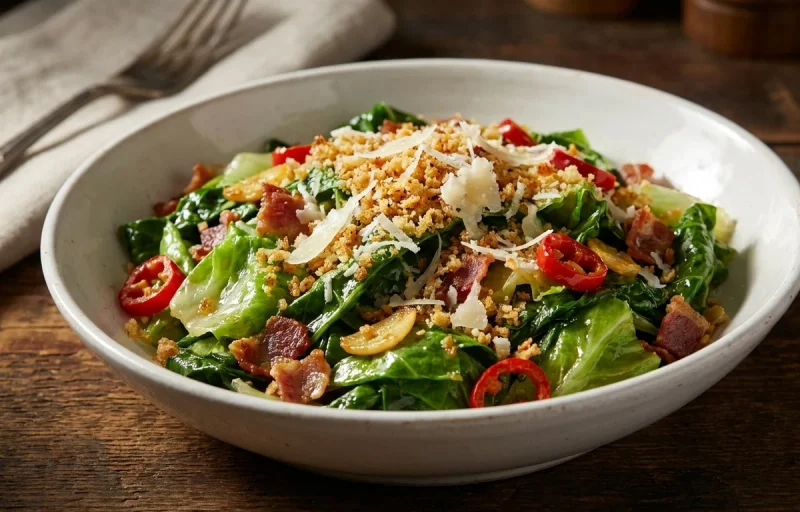
Because of its bold flavor, Romano is best used as a finishing cheese grated over pasta, soups, and salads. It is also a popular ingredient in pesto, meatballs, and breading mixtures for chicken or eggplant.
RECIPES
Cook with romano cheese.
0 recipes · sorted by what’s quick