Grain
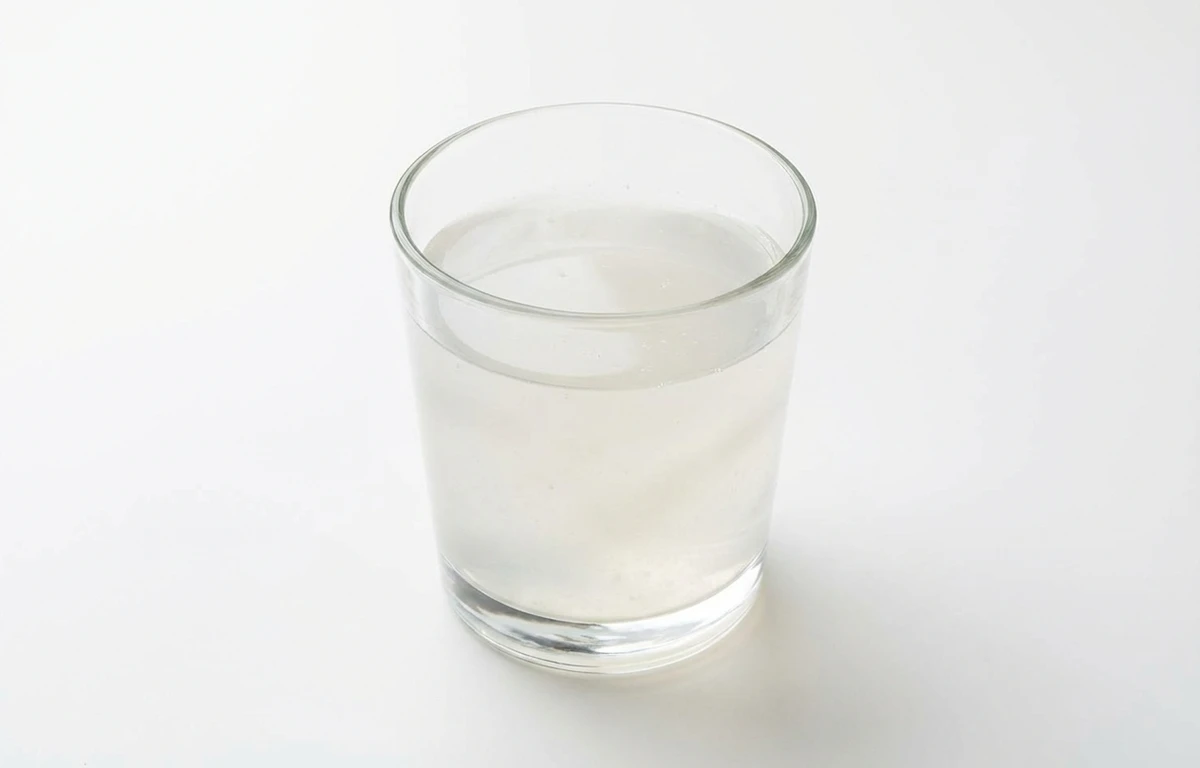
reserved pasta water.
VegetarianVeganGluten-freeDairy-freeNut-freePeanut-freeSoy-freeEgg-freeShellfish-freeHoney-freeAlcohol-free
ALSO KNOWN AS
pasta waterstarchy pasta water
SERVING
CALORIES
6
PROTEIN
0.10g
CARBS
1.5g
FAT
0g
FIBER
0g
NUTRITION PROFILE · per 100 g
Everything in this ingredient.
MACRONUTRIENTS
Calories6.0kcal—
Protein0.10g0%
Carbohydrates1.5g1%
Fiber0g0%
Sugar0g0%
Total fat0g0%
Saturated fat0g0%
Trans fat0g—
Cholesterol0mg0%
Water98.4g—
MINERALS
Sodium4.8mg0%
Potassium1.0mg0%
Calcium2.0mg0%
Iron0.01mg0%
Magnesium4.8mg1%
Phosphorus0mg0%
Zinc0mg0%
Copper0.02mg2%
Manganese0mg0%
Selenium0µg0%
Iodine0µg0%
VITAMINS
Vitamin A0µg0%
Vitamin C0mg0%
Vitamin D0µg0%
Vitamin E0mg0%
Vitamin K1.0µg1%
Thiamin (B1)0mg0%
Riboflavin (B2)0mg0%
Niacin (B3)0mg0%
Pantothenic acid (B5)0mg0%
Vitamin B60mg0%
Folate (B9)0µg0%
Vitamin B120µg0%
%DV based on a 2,000 cal diet. Source: USDA FoodData Central. A dash in the %DV column means there’s no established Daily Value for that nutrient.
MEASUREMENT CONVERSIONS
How much is what.
1 cup240g
1 tablespoon15g
1 teaspoon5g
1 ml1g
1 liter1000g
HEALTH BENEFITS
Why eat it.
- ✓Acts as a natural emulsifier, helping to bind oil and water in sauces for a creamy, non-greasy texture.
- ✓Thickens sauces due to its high starch content, adding body and richness without using flour or cornstarch.
- ✓Adds savory flavor and seasoning to the final dish, as it contains salt and leached starches from the pasta.
COOKING TIPS
In the kitchen.
- 1Reserve about a cup of the water just before the pasta is finished cooking and drained; this is when the water is at its starchiest.
- 2Add the pasta water to your sauce gradually, a few tablespoons at a time, while tossing with the pasta over low heat to achieve the perfect consistency.
- 3Use less water to cook your pasta than you normally would. A more concentrated pasta water is more effective for thickening and emulsifying sauces.
- 4Beyond pasta, a splash of starchy water can be used to add body to soups, stews, or even when cooking grains like risotto or polenta.
STORAGE
Keep it fresh.
- Refrigerate in a sealed container for up to 3 days. The starch will settle, so shake or stir vigorously before use.
- Freeze in an ice cube tray for long-term storage. Transfer the frozen cubes to a freezer bag for easy portioning in future recipes.
FAQ
Frequently asked questions.
Is reserved pasta water healthy?
Reserved pasta water is very low in calories and fat, making it a lighter alternative to cream or butter for thickening sauces. While it contains some leached starch and salt, it is generally considered a healthy way to improve the texture of a dish without adding significant calories.
How many calories are in pasta water?
Pasta water is extremely low in calories, containing approximately 6 calories per 100g. It consists mostly of water with small amounts of starch and salt, providing about 1.5g of carbohydrates and negligible protein or fat.
Is pasta water gluten-free?
It depends on the pasta used. If you are boiling traditional wheat-based pasta, the water will contain gluten leached from the noodles; however, if you use certified gluten-free pasta, the resulting water will also be gluten-free.
Is pasta water vegan?
Yes, pasta water is vegan as long as the pasta itself does not contain eggs or dairy. Most dried pastas are made simply from semolina flour and water, making the reserved liquid a plant-based ingredient.
Why should I save pasta water?
Pasta water is often called 'liquid gold' because the starch it contains acts as a natural emulsifier. It helps bind oil-based sauces to the pasta, creating a silky, creamy texture that clings to the noodles rather than pooling at the bottom of the bowl.
How do I use reserved pasta water in a sauce?
Add a splash (about 1/4 to 1/2 cup) of the starchy water to your sauce just before combining it with the cooked pasta. Toss the pasta and sauce over low heat; the starch will help the sauce thicken and emulsify, creating a professional-quality finish.
Can I use pasta water for things other than sauce?
Yes, pasta water can be used as a base for soups, stews, or even for thinning out pesto or hummus. Some bakers also use it in place of plain water when making bread dough to add a slight savory flavor and improve the crust's texture.
How long does reserved pasta water last?
Reserved pasta water is best used immediately while it is still warm and the starch is active. If you must save it, it can be kept in the refrigerator for 2-3 days, though the starch may settle and require a quick stir or reheat before use.
Can I freeze pasta water?
Yes, you can freeze pasta water in ice cube trays for later use in soups or sauces. This is a great way to reduce waste and have a quick thickening agent on hand for future meals.
Does the type of pasta affect the quality of the water?
Yes, pastas with more surface area or those made with high-quality bronze-cut dies release more starch, resulting in better water for emulsifying. Additionally, using less water to boil the pasta creates a more concentrated, starchier liquid that is more effective for thickening.