Legume
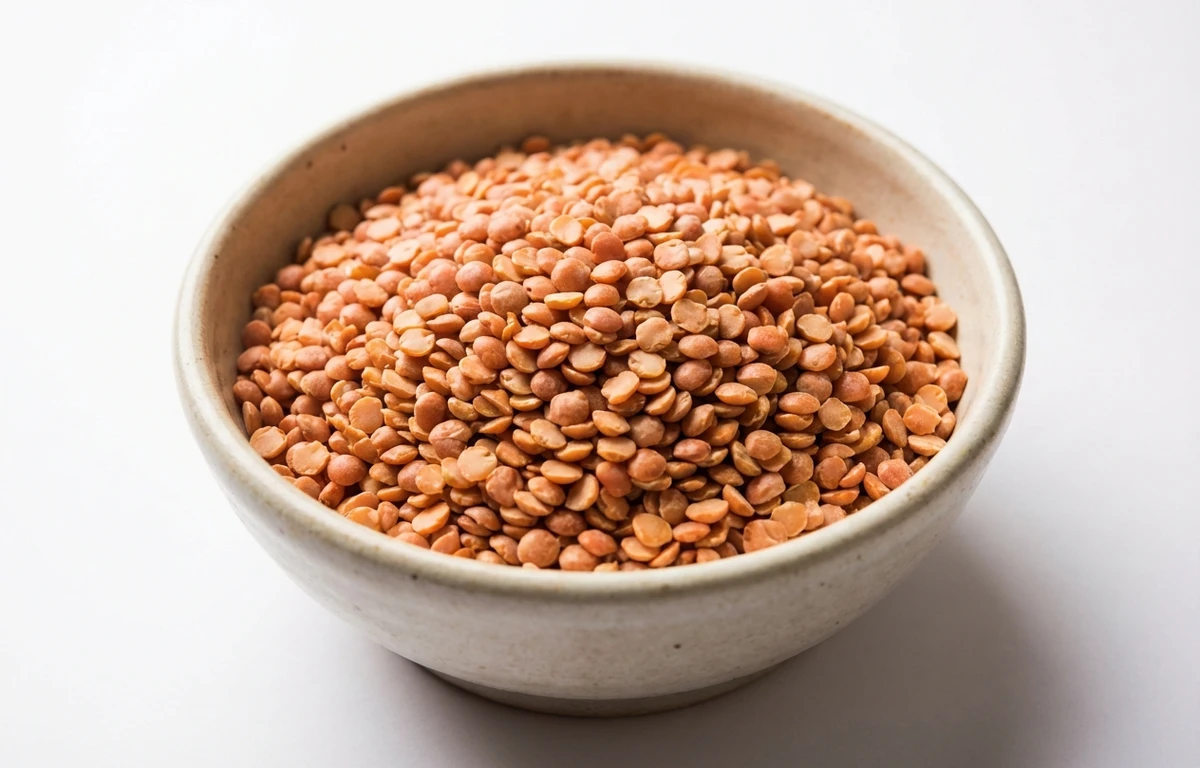
red gram dal.
VegetarianVeganGluten-freeDairy-freeNut-freePeanut-freeSoy-freeEgg-freeShellfish-freeHoney-freeAlcohol-free
SERVING
CALORIES
331
PROTEIN
21.7g
CARBS
55.2g
FAT
1.6g
FIBER
9.1g
NUTRITION PROFILE · per 100 g
Everything in this ingredient.
MACRONUTRIENTS
Calories331kcal—
Protein21.7g43%
Carbohydrates55.2g20%
Fiber9.1g32%
Sugar2.1g4%
Total fat1.6g2%
Saturated fat0.26g1%
Trans fat0g—
Cholesterol0mg0%
Water9.2g—
MINERALS
Sodium18mg1%
Potassium1395mg30%
Calcium71.7mg6%
Iron3.9mg22%
Magnesium119mg28%
Phosphorus328mg26%
Zinc2.6mg24%
Copper1.1mg127%
Manganese1.1mg49%
Selenium14.4µg26%
VITAMINS
Vitamin A127µg14%
Vitamin C0mg0%
Vitamin D2.1µg11%
Vitamin E0.19mg1%
Vitamin K42.3µg35%
Thiamin (B1)0.45mg38%
Riboflavin (B2)0.11mg8%
Niacin (B3)2.1mg13%
Pantothenic acid (B5)1.3mg25%
Vitamin B60.24mg14%
Biotin (B7)0.31µg1%
Folate (B9)108µg27%
%DV based on a 2,000 cal diet. Source: USDA FoodData Central. A dash in the %DV column means there’s no established Daily Value for that nutrient.
MEASUREMENT CONVERSIONS
How much is what.
1 cup191.6g
1 tablespoon12g
1 teaspoon4g
1 oz28.4g
1 lb453.6g
1 ml0.8g
1 liter810g
HEALTH BENEFITS
Why eat it.
- ✓Excellent source of plant-based protein, crucial for muscle building and repair.
- ✓High in dietary fiber, which aids in digestion, promotes satiety, and helps regulate blood sugar levels.
- ✓Rich in folic acid (folate), essential for cell growth and preventing birth defects during pregnancy.
- ✓Provides important minerals like iron for blood production, potassium for heart health, and magnesium for nerve function.
COOKING TIPS
In the kitchen.
- 1Always rinse the dal under cold running water before cooking to remove any dust or impurities.
- 2Soaking the dal for 30-60 minutes prior to cooking can significantly reduce cooking time and improve digestibility.
- 3It forms the base for many classic Indian dishes like Sambar, Dal Tadka, and Dal Fry.
- 4Do not add salt or acidic ingredients like tomatoes until the dal is fully cooked, as they can prevent it from softening.
STORAGE
Keep it fresh.
- Store in an airtight container in a cool, dark, and dry place to protect from moisture and pests.
- When stored properly, dried red gram dal can maintain its quality for up to one year.
FAQ
Frequently asked questions.
Is red gram dal healthy?
Yes, red gram dal is highly nutritious. It is an excellent source of plant-based protein, dietary fiber, and essential minerals like iron and potassium, which support heart health, muscle repair, and efficient digestion.
How much protein is in red gram dal?
Red gram dal contains approximately 21.7g of protein per 100g of dry lentils. This high protein content makes it a vital staple for vegetarians and vegans to meet their daily muscle-building and repair needs.
Is red gram dal gluten-free and vegan?
Yes, red gram dal is naturally gluten-free and vegan. It is a safe and healthy plant-based protein option for individuals with celiac disease, gluten sensitivities, or those following a strictly vegan lifestyle.
Is red gram dal good for weight loss?
Yes, it can be very effective for weight management. The high fiber and protein content promote a feeling of fullness (satiety), which helps reduce overall calorie intake and prevents overeating throughout the day.
Can diabetics eat red gram dal?
Yes, red gram dal is beneficial for diabetics. Its high dietary fiber content helps regulate blood sugar levels by slowing the absorption of glucose, preventing the sharp spikes often associated with high-carb foods.
Is red gram dal keto-friendly?
No, red gram dal is generally not considered keto-friendly. With approximately 55.23g of carbohydrates per 100g, it exceeds the daily carb limit for most ketogenic diets, though it remains a healthy complex carbohydrate for other dietary patterns.
Do I need to soak red gram dal before cooking?
While not mandatory, soaking red gram dal for 30 to 60 minutes is recommended. Soaking reduces the cooking time, improves the texture, and helps neutralize anti-nutrients like phytic acid, making the minerals easier for your body to absorb.
What does red gram dal taste like?
Red gram dal has a mild, nutty, and slightly earthy flavor. Its soft, creamy texture when cooked makes it an excellent base for absorbing the flavors of spices like turmeric, cumin, and garlic in traditional dishes like Sambar or Dal Tadka.
Is red gram dal safe during pregnancy?
Yes, it is highly recommended during pregnancy because it is rich in folic acid (folate). Folate is essential for healthy fetal development, specifically for cell growth and the prevention of neural tube defects.
How should I store red gram dal and how long does it last?
Store dry red gram dal in an airtight container in a cool, dry, and dark place. When kept away from moisture and pests, it can last for up to 12 months, though it is best consumed within 6 months for optimal flavor and faster cooking.