Seafood
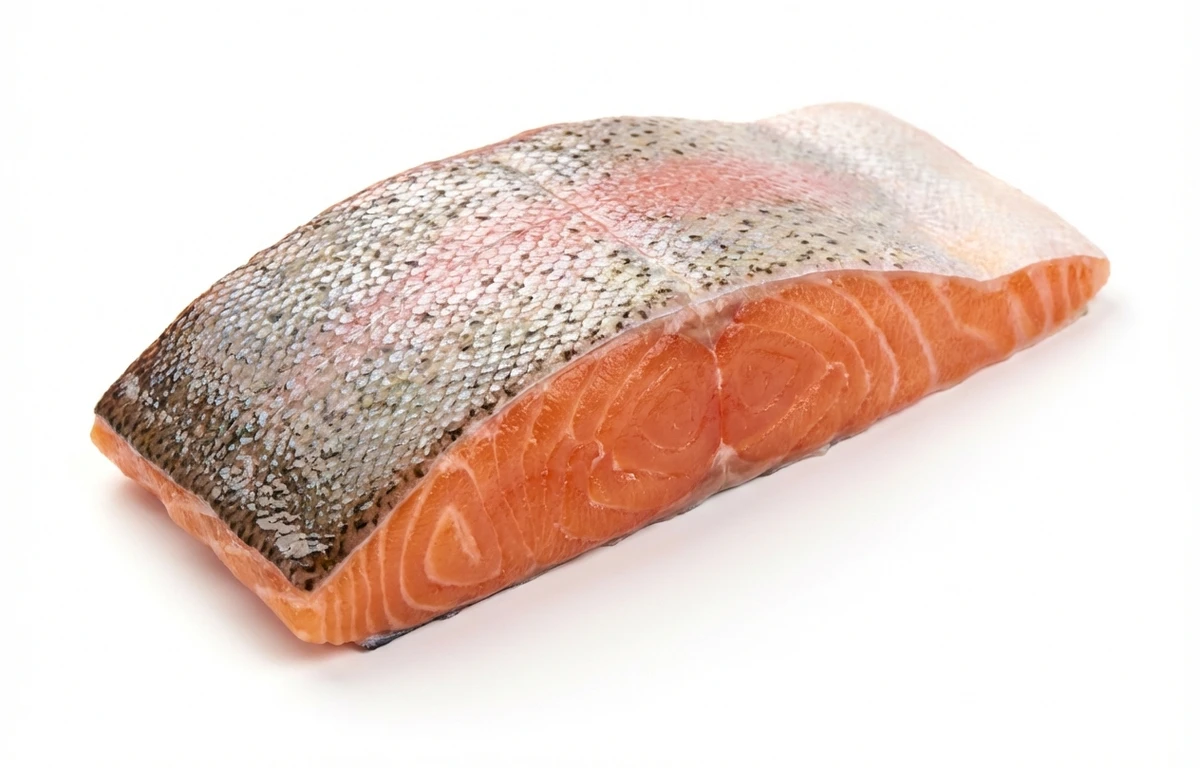
raw seatrout.
VegetarianVeganGluten-freeDairy-freeNut-freePeanut-freeSoy-freeEgg-freeShellfish-freeHoney-freeAlcohol-free
ALSO KNOWN AS
seatrout
SERVING
CALORIES
104
PROTEIN
19.3g
CARBS
0g
FAT
2.4g
FIBER
0g
NUTRITION PROFILE · per 100 g
Everything in this ingredient.
MACRONUTRIENTS
Calories104kcal—
Protein19.3g39%
Carbohydrates0g0%
Fiber0g0%
Sugar0g0%
Total fat2.4g3%
Saturated fat0.60g3%
Trans fat0g—
Cholesterol65mg22%
Water76.8g—
MINERALS
Sodium68mg3%
Potassium440mg9%
Calcium22mg2%
Iron0.50mg3%
Magnesium30mg7%
Phosphorus230mg18%
Zinc0.50mg5%
Copper0.04mg4%
Manganese0.01mg0%
Selenium36.5µg66%
VITAMINS
Vitamin A15µg2%
Vitamin C0mg0%
Vitamin D4.2µg21%
Vitamin E0.20mg1%
Vitamin K0.10µg0%
Thiamin (B1)0.12mg10%
Riboflavin (B2)0.11mg8%
Niacin (B3)4.5mg28%
Pantothenic acid (B5)0.75mg15%
Vitamin B60.35mg21%
Folate (B9)15µg4%
Vitamin B123.8µg158%
%DV based on a 2,000 cal diet. Source: USDA FoodData Central. A dash in the %DV column means there’s no established Daily Value for that nutrient.
MEASUREMENT CONVERSIONS
How much is what.
1 oz28.4g
1 lb453.6g
1 piece170.1g
HEALTH BENEFITS
Why eat it.
- ✓Excellent source of omega-3 fatty acids (EPA and DHA), which support heart health and reduce inflammation.
- ✓Rich in high-quality, complete protein, essential for muscle building, tissue repair, and overall body function.
- ✓Provides significant amounts of Vitamin B12, crucial for nerve function and the formation of red blood cells.
- ✓Good source of selenium, a powerful antioxidant that helps protect cells from damage and supports immune function.
COOKING TIPS
In the kitchen.
- 1Seatrout has a delicate, mild flavor and flaky texture; it is best suited for quick cooking methods like pan-searing, broiling, or baking.
- 2Season simply with salt, pepper, lemon, and fresh herbs like dill or parsley to avoid overpowering its natural taste.
- 3Cook until the flesh is opaque and flakes easily with a fork, reaching an internal temperature of 145°F (63°C). Be careful not to overcook as it can become dry.
- 4The skin is edible and becomes wonderfully crispy when pan-seared. Score the skin before cooking to prevent it from curling.
STORAGE
Keep it fresh.
- Store fresh, raw seatrout in the coldest part of the refrigerator (at or below 40°F / 4°C) on a bed of ice and use within 1-2 days.
- For freezing, pat the fish dry, wrap it tightly in plastic wrap and then in aluminum foil or a freezer bag, and store at 0°F (-18°C) for up to 3 months for best quality.
FAQ
Frequently asked questions.
Is raw seatrout healthy?
Yes, seatrout is highly nutritious. It is an excellent source of omega-3 fatty acids for heart health, high-quality protein for muscle repair, and essential nutrients like Vitamin B12 and selenium which support the immune system.
How many calories and how much protein are in seatrout?
A 100g serving of raw seatrout contains approximately 104 calories and 19.3g of protein. It is a lean protein source with only 2.4g of fat and zero carbohydrates, making it very nutrient-dense.
Is seatrout good for weight loss?
Yes, seatrout is an ideal food for weight management. Its high protein content helps you feel full longer, while its low calorie and low fat profile allows for high-volume eating within a calorie-controlled diet.
Is seatrout keto-friendly?
Absolutely. With 0g of carbohydrates per serving, seatrout is perfectly suited for ketogenic and low-carb diets. It also provides healthy omega-3 fats that are beneficial for those following a keto lifestyle.
Is raw seatrout gluten-free?
Yes, raw seatrout is naturally gluten-free as it is a pure animal protein. However, if you are buying it pre-marinated or prepared, always check the label for gluten-containing additives or thickeners.
What does seatrout taste like?
Seatrout has a mild, delicate, and slightly sweet flavor, often described as a cross between traditional freshwater trout and salmon. Its flesh is tender and fine-textured, making it less 'fishy' than oilier species.
Can I eat seatrout raw, such as in sushi or ceviche?
Seatrout can be eaten raw if it is labeled 'sushi-grade' or has been commercially frozen to kill potential parasites. Ensure it is handled with strict hygiene and consumed while extremely fresh.
How should I store raw seatrout and how long does it last?
Store raw seatrout in the coldest part of your refrigerator, ideally wrapped tightly or kept on ice, for no more than 1-2 days. For longer storage, vacuum-seal and freeze it for up to 3 months for best quality.
How do I know if raw seatrout is fresh?
Fresh seatrout should have a mild, clean scent of the sea rather than a strong fishy odor. The flesh should be firm and translucent, and if the fish is whole, the eyes should be clear and the gills bright red.
What is the best way to cook seatrout?
Seatrout is best prepared using quick, gentle methods like pan-searing, grilling, or baking at high heat. Because it is relatively lean, it cooks quickly and should be removed from heat as soon as the flesh becomes opaque to prevent drying out.