Seafood
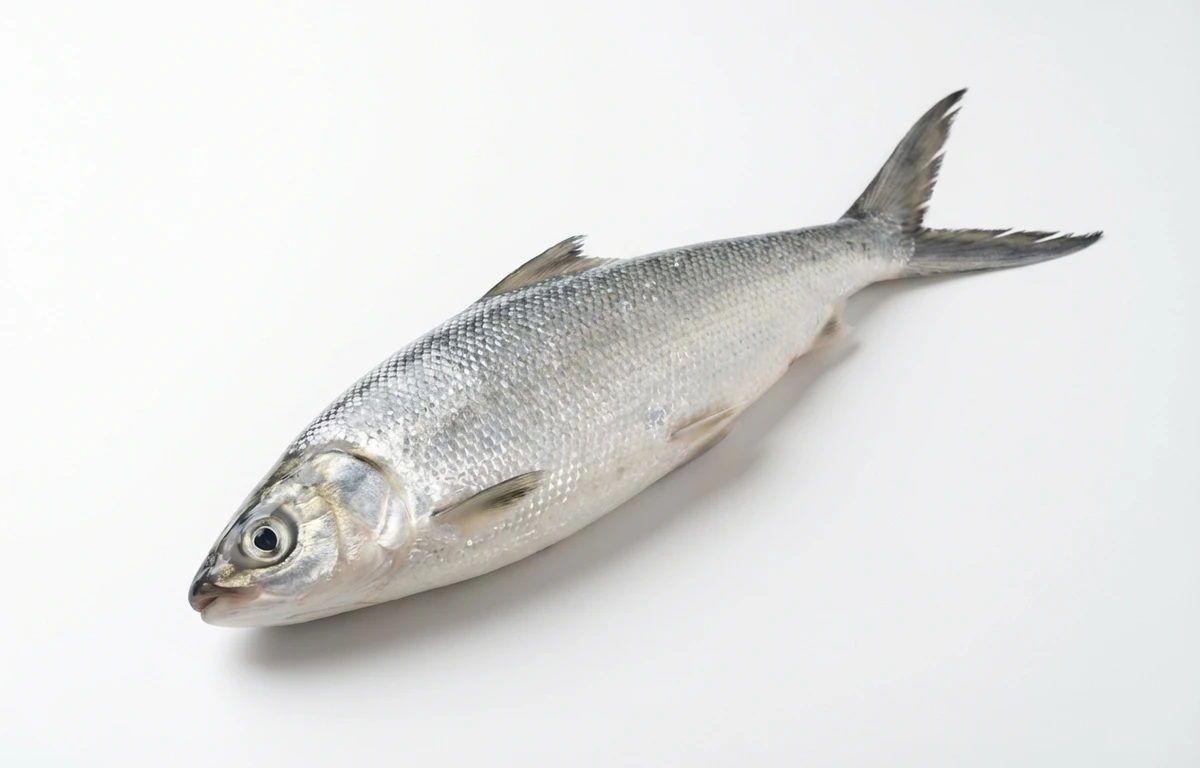
raw milkfish.
VegetarianVeganGluten-freeDairy-freeNut-freePeanut-freeSoy-freeEgg-freeShellfish-freeHoney-freeAlcohol-free
ALSO KNOWN AS
milkfish
SERVING
CALORIES
148
PROTEIN
20.5g
CARBS
0g
FAT
6.7g
FIBER
0g
NUTRITION PROFILE · per 100 g
Everything in this ingredient.
MACRONUTRIENTS
Calories148kcal—
Protein20.5g41%
Carbohydrates0g0%
Fiber0g0%
Sugar0g0%
Total fat6.7g9%
Saturated fat1.9g10%
Trans fat0g—
Cholesterol52mg17%
Water71.5g—
MINERALS
Sodium72mg3%
Potassium285mg6%
Calcium51mg4%
Iron0.30mg2%
Magnesium30mg7%
Phosphorus170mg14%
Zinc0.80mg7%
Copper0.05mg6%
Manganese0.02mg1%
Selenium12.6µg23%
VITAMINS
Vitamin A45µg5%
Vitamin C0mg0%
Vitamin D12.5µg63%
Vitamin E0.50mg3%
Vitamin K0.10µg0%
Thiamin (B1)0.02mg2%
Riboflavin (B2)0.06mg5%
Niacin (B3)6.5mg41%
Pantothenic acid (B5)0.75mg15%
Vitamin B60.40mg24%
Folate (B9)15µg4%
Vitamin B122.3µg96%
%DV based on a 2,000 cal diet. Source: USDA FoodData Central. A dash in the %DV column means there’s no established Daily Value for that nutrient.
MEASUREMENT CONVERSIONS
How much is what.
1 oz28.4g
1 lb453.6g
1 piece500g
HEALTH BENEFITS
Why eat it.
- ✓Rich source of Omega-3 fatty acids (EPA and DHA), which support cardiovascular health and brain function.
- ✓Excellent source of high-quality, complete protein necessary for muscle building, tissue repair, and overall body function.
- ✓Provides essential B vitamins, particularly Niacin (B3) and Vitamin B12, crucial for energy metabolism and nervous system health.
- ✓Contains important minerals like selenium, which acts as a powerful antioxidant, and phosphorus, vital for strong bones and teeth.
COOKING TIPS
In the kitchen.
- 1Milkfish is known for its many fine bones. Consider purchasing it deboned ('boneless bangus') or use a pressure cooker to soften the bones for stews.
- 2The belly portion is prized for its high fat content and rich flavor; it's excellent for grilling or pan-frying but requires careful cooking to avoid drying out.
- 3It is highly versatile and popular in Filipino cuisine for dishes like 'Sinigang' (sour soup), 'Daing na Bangus' (marinated and fried), and 'Rellenong Bangus' (stuffed milkfish).
- 4Marinating the fish in a mixture of vinegar, garlic, soy sauce, and black pepper for at least an hour before frying or grilling significantly enhances its flavor.
STORAGE
Keep it fresh.
- For fresh use, store raw milkfish in the coldest part of the refrigerator (below 40°F or 4°C) and consume within 1-2 days.
- For long-term storage, wrap the fish tightly in plastic wrap and then in a freezer bag, removing excess air. Freeze at 0°F (-18°C) or lower for up to 3 months for best quality.
FAQ
Frequently asked questions.
Is milkfish healthy?
Yes, milkfish is highly nutritious. It is an excellent source of high-quality protein and heart-healthy Omega-3 fatty acids (EPA and DHA), which support brain function and cardiovascular health. It also provides essential B vitamins and minerals like selenium and phosphorus.
How much protein is in milkfish?
Milkfish is a protein-dense seafood option, providing approximately 20.5 grams of complete protein per 100-gram serving. This makes it an ideal food for muscle building, tissue repair, and maintaining overall body function.
Is milkfish keto-friendly?
Yes, milkfish is excellent for ketogenic and low-carb diets. It contains 0 grams of carbohydrates and provides a healthy balance of protein and fats (6.7g per 100g), making it a perfect staple for keto meal planning.
What does milkfish taste like?
Milkfish has a mild, slightly sweet flavor and a firm yet tender texture. Because it is a relatively oily fish, it has a rich mouthfeel similar to salmon or sea bass, though its flavor is more delicate.
How do you cook milkfish?
Milkfish is versatile and can be grilled, fried, baked, or used in soups like the Filipino 'Sinigang.' Because it contains many fine bones, it is often sold 'deboned' or stuffed (as in 'Relyenong Bangus') to make eating easier.
Can I eat milkfish raw?
Milkfish is commonly used in 'kinilaw' (a Filipino dish similar to ceviche) where it is 'cooked' in vinegar and citrus. However, to avoid foodborne illness, only consume raw milkfish if it is sushi-grade and has been handled according to strict safety standards.
Is milkfish good for weight loss?
Milkfish can be a great addition to a weight loss diet because it is high in protein, which promotes satiety and helps preserve muscle mass. At 148 calories per 100g, it is a nutrient-dense option that keeps you full without adding excess carbs.
How do I know if raw milkfish is fresh?
Look for milkfish with clear, bulging eyes, bright red gills, and shiny, tightly-adhered scales. The flesh should be firm to the touch and spring back when pressed, and it should have a mild, fresh sea scent rather than a strong 'fishy' odor.
How should I store raw milkfish?
Store raw milkfish in the coldest part of your refrigerator, ideally on a bed of ice, and consume it within 1 to 2 days. For longer storage, wrap it tightly in plastic wrap or vacuum-seal it and freeze for up to 3 to 6 months.
Why is milkfish often sold 'deboned'?
Milkfish is notorious for having over 200 small intermuscular bones, which can make eating it difficult. Many markets sell it 'deboned' (bangus) to provide a more convenient and safer dining experience without the hassle of picking out tiny bones.