Seafood
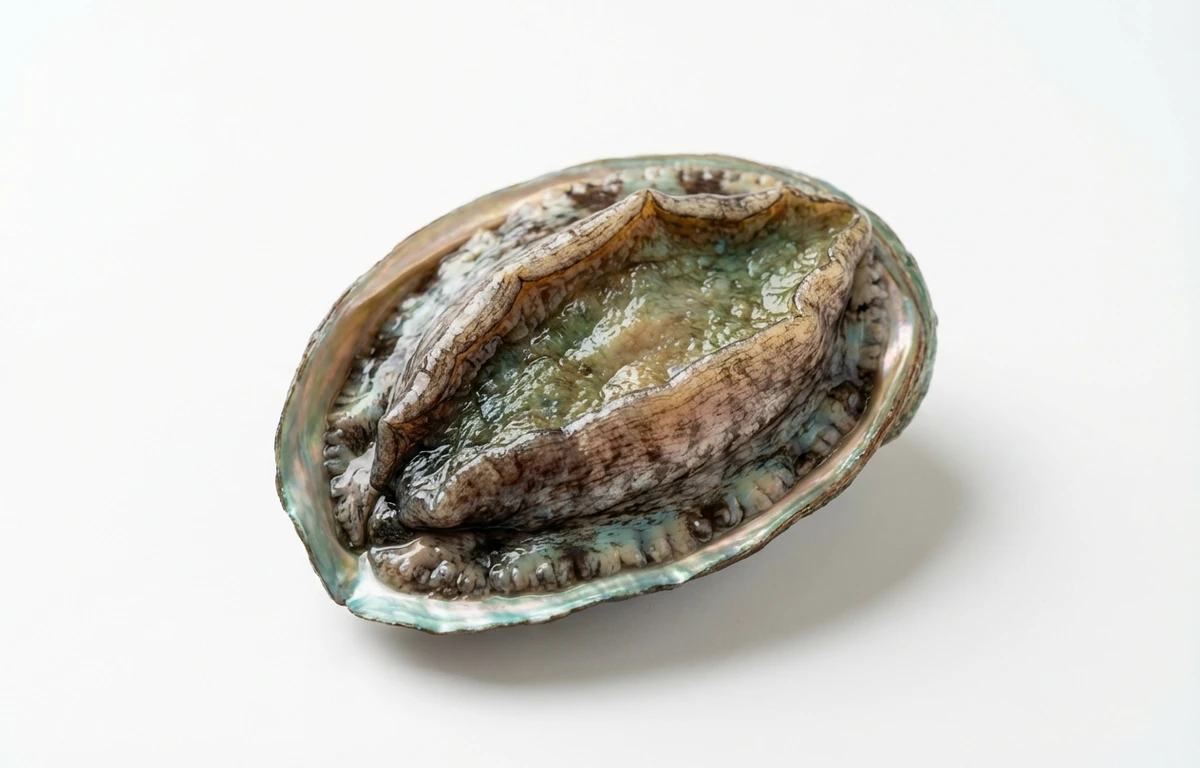
raw abalone.
VegetarianVeganGluten-freeDairy-freeNut-freePeanut-freeSoy-freeEgg-freeShellfish-freeHoney-freeAlcohol-freeKosher
ALSO KNOWN AS
abalone
SERVING
CALORIES
105
PROTEIN
17.1g
CARBS
6.0g
FAT
0.76g
FIBER
0g
NUTRITION PROFILE · per 100 g
Everything in this ingredient.
MACRONUTRIENTS
Calories105kcal—
Protein17.1g34%
Carbohydrates6.0g2%
Fiber0g0%
Sugar0g0%
Total fat0.76g1%
Saturated fat0.15g1%
Cholesterol85mg28%
Water74.6g—
MINERALS
Sodium301mg13%
Potassium250mg5%
Calcium31mg2%
Iron3.2mg18%
Magnesium48mg11%
Phosphorus190mg15%
Zinc0.82mg7%
Copper0.20mg22%
Manganese0.04mg2%
Selenium44.8µg81%
VITAMINS
Vitamin A2.0µg0%
Vitamin C2.0mg2%
Vitamin D0µg0%
Vitamin E4.0mg27%
Vitamin K23µg19%
Thiamin (B1)0.19mg16%
Riboflavin (B2)0.10mg8%
Niacin (B3)1.5mg9%
Pantothenic acid (B5)3.0mg60%
Vitamin B60.15mg9%
Folate (B9)5.0µg1%
Vitamin B120.73µg30%
%DV based on a 2,000 cal diet. Source: USDA FoodData Central. A dash in the %DV column means there’s no established Daily Value for that nutrient.
MEASUREMENT CONVERSIONS
How much is what.
1 oz28.4g
1 lb453.6g
1 piece120g
HEALTH BENEFITS
Why eat it.
- ✓Excellent source of high-quality protein, essential for muscle repair and growth.
- ✓Rich in iodine, which is crucial for healthy thyroid function and metabolism regulation.
- ✓Provides omega-3 fatty acids, known to support cardiovascular health and reduce inflammation.
- ✓Good source of selenium, a powerful antioxidant that helps protect cells from damage.
- ✓Contains iron and vitamin B12, important for red blood cell formation and preventing anemia.
COOKING TIPS
In the kitchen.
- 1To ensure tenderness, gently pound the shucked abalone steak with a meat mallet before cooking to break down the tough muscle fibers.
- 2Abalone requires either very fast, high-heat cooking (like a 30-60 second sear or stir-fry) or long, slow cooking (like braising for several hours). Intermediate cooking times will result in a tough, rubbery texture.
- 3For raw preparations like sashimi or crudo, slice the abalone as thinly as possible against the grain.
- 4The flavor is delicate and briny; complement it with simple ingredients like butter, garlic, lemon, soy sauce, or ginger rather than overpowering sauces.
STORAGE
Keep it fresh.
- Store live abalone in the refrigerator, covered with a damp cloth or seaweed, for up to 2-3 days. Do not submerge in fresh water.
- Shucked raw abalone meat should be placed in an airtight container, refrigerated at or below 40°F (4°C), and consumed within 24-48 hours.
- For long-term storage, clean and shuck the abalone, then freeze it in an airtight, freezer-safe bag or container at 0°F (-18°C) for up to 3 months.
FAQ
Frequently asked questions.
Is raw abalone healthy?
Yes, raw abalone is very healthy. It's an excellent source of high-quality protein, essential for muscle repair and growth, and is low in fat. It also provides crucial nutrients like iodine, omega-3 fatty acids, selenium, iron, and vitamin B12, supporting thyroid function, heart health, and red blood cell formation.
What are the key nutritional benefits of raw abalone?
Raw abalone is rich in iodine, vital for thyroid health and metabolism. It also provides omega-3 fatty acids for cardiovascular benefits, selenium as a powerful antioxidant, and iron and vitamin B12 to prevent anemia. Its high protein content supports muscle development and overall body function.
How much protein and calories are in raw abalone?
Per 100g, raw abalone contains approximately 105 calories and a significant 17.1g of protein. It is also very low in fat, with only about 0.76g per 100g, making it a lean and nutrient-dense protein source.
Is raw abalone suitable for a keto diet?
Yes, raw abalone is generally suitable for a keto diet. With only 6.01g of carbohydrates and 0.76g of fat per 100g, alongside its high protein content, it fits well within low-carb dietary guidelines, making it a good protein choice for keto followers.
Is raw abalone gluten-free?
Yes, raw abalone is naturally gluten-free. As a pure seafood product, it does not contain any wheat, barley, or rye components, making it a safe and suitable option for individuals with gluten sensitivities or celiac disease.
Can you eat abalone raw, and how should it be prepared?
Yes, abalone can be eaten raw, often thinly sliced for sashimi or ceviche. When preparing raw abalone, it's crucial to use extremely fresh, sushi-grade abalone and ensure proper cleaning and slicing techniques to maintain safety and achieve the desired texture.
What does raw abalone taste and feel like?
Raw abalone has a delicate, slightly sweet, and briny flavor, reminiscent of the ocean. Its texture is firm, chewy, and somewhat crisp, offering a unique and highly prized mouthfeel in gourmet cuisine.
How should fresh raw abalone be stored?
Fresh raw abalone should be stored in the coldest part of your refrigerator, ideally on a bed of ice, covered, and consumed within 1-2 days of purchase. Ensure it's kept separate from other foods to prevent cross-contamination and maintain freshness.
How can you tell if raw abalone is fresh?
Fresh raw abalone should have a clean, mild ocean scent, not a strong or fishy odor. Its flesh should appear moist and firm, with a vibrant color, and it should react to touch by retracting slightly if alive. Avoid any abalone that looks discolored, slimy, or has a strong off-smell.
Is abalone high in mercury or other contaminants?
Abalone is generally considered to be low in mercury compared to larger, longer-lived predatory fish. However, like all seafood, its contaminant levels can vary depending on the harvesting location and environmental conditions. Sourcing from reputable suppliers is always recommended to ensure quality and safety.