Protein10 recipes
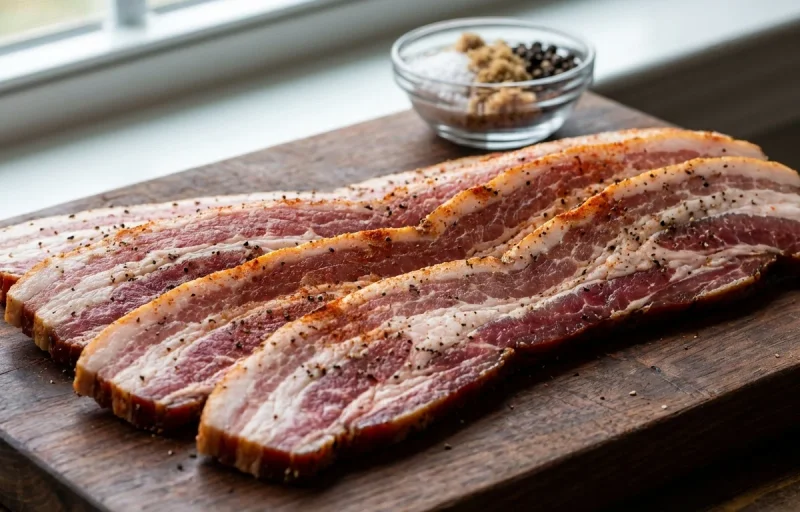
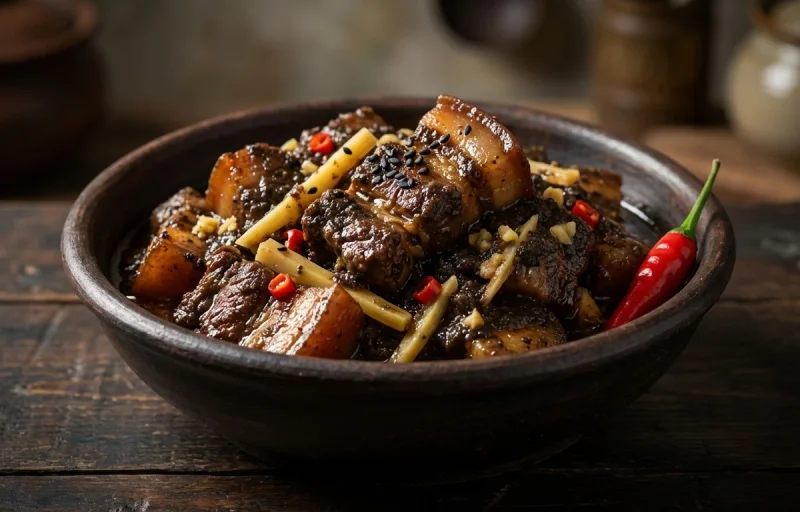
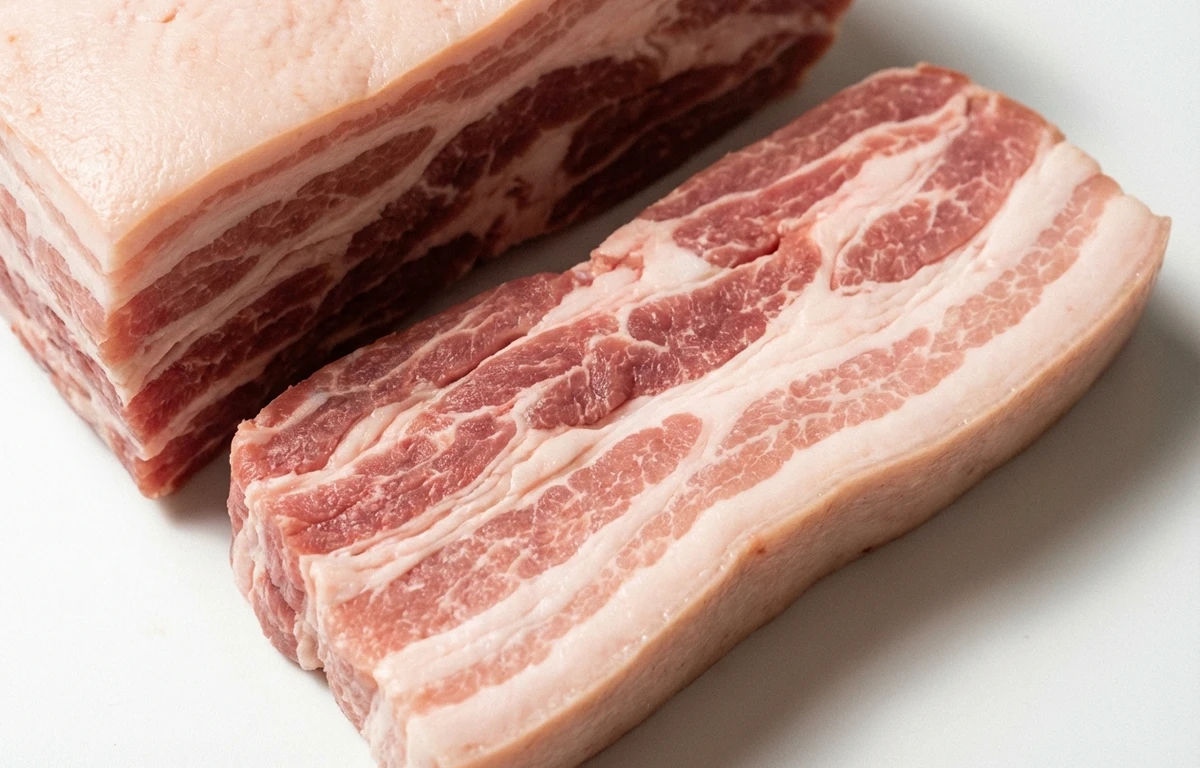
pork belly.
VegetarianVeganGluten-freeDairy-freeNut-freePeanut-freeSoy-freeEgg-freeShellfish-freeHoney-freeAlcohol-freeHalalKosher
ALSO KNOWN AS
side porkbacon bellysamgyeopsal
SERVING
CALORIES
518
PROTEIN
9.3g
CARBS
0g
FAT
53g
FIBER
0g
NUTRITION PROFILE · per 100 g
Everything in this ingredient.
MACRONUTRIENTS
Calories518kcal—
Protein9.3g19%
Carbohydrates0g0%
Fiber0g0%
Sugar0g0%
Total fat53g68%
Saturated fat19.3g97%
Trans fat0g—
Cholesterol72mg24%
Water37g—
MINERALS
Sodium32mg1%
Potassium185mg4%
Calcium5.0mg0%
Iron0.50mg3%
Magnesium7.0mg2%
Phosphorus108mg9%
Zinc0.80mg7%
Copper0.04mg4%
Manganese0.01mg0%
Selenium11.5µg21%
VITAMINS
Vitamin A0µg0%
Vitamin C0mg0%
Vitamin D0.70µg3%
Vitamin E0.20mg1%
Vitamin K0µg0%
Thiamin (B1)0.40mg33%
Riboflavin (B2)0.10mg8%
Niacin (B3)2.5mg16%
Pantothenic acid (B5)0.40mg8%
Vitamin B60.20mg12%
Folate (B9)2.0µg1%
Vitamin B120.60µg25%
%DV based on a 2,000 cal diet. Source: USDA FoodData Central. A dash in the %DV column means there’s no established Daily Value for that nutrient.
MEASUREMENT CONVERSIONS
How much is what.
1 cup150g
1 oz28.4g
1 lb453.6g
1 piece150g
HEALTH BENEFITS
Why eat it.
- ✓Rich source of complete protein, essential for muscle building and repair.
- ✓High in B vitamins, particularly B1 (thiamine), B6, and B12, which support energy metabolism and nervous system function.
- ✓Provides essential minerals like selenium, a powerful antioxidant, and zinc, which is crucial for immune health.
- ✓Contains oleic acid, a monounsaturated fat also found in olive oil, which can be beneficial for heart health when consumed in moderation as part of a balanced diet.
COOKING TIPS
In the kitchen.
- 1For tender meat and rendered fat, use a low-and-slow cooking method like braising, slow roasting, or smoking.
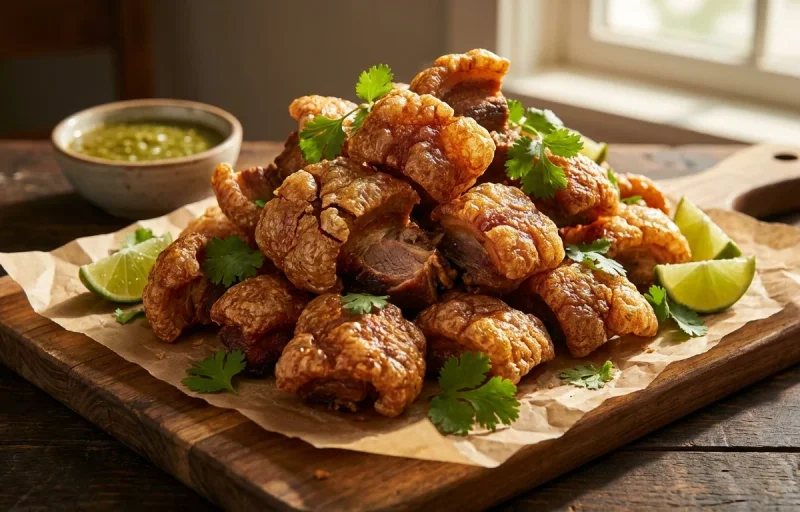
- 2To achieve a crispy skin (crackling), ensure the skin is completely dry, score it with a sharp knife, and rub generously with salt before roasting at high heat initially.
- 3Cut into cubes and render slowly in a pan to create crispy lardons; save the rendered fat (lard) for cooking vegetables or frying.
- 4Marinating pork belly for several hours or overnight in a flavorful liquid can deeply season the meat and help tenderize it.
STORAGE
Keep it fresh.
- Refrigerate raw pork belly in its original packaging or an airtight container at or below 40°F (4°C) and use within 3-5 days.
- For long-term storage, wrap tightly in plastic wrap and foil or place in a freezer bag, removing as much air as possible. Freeze at 0°F (-18°C) for up to 6 months.
FAQ
Frequently asked questions.
Is pork belly healthy?
Pork belly is a rich source of protein and essential B vitamins, selenium, and zinc. However, it is very high in calories and saturated fat, with 100g containing 518 calories and 53g of fat. While it offers some nutritional benefits, it should be consumed in moderation as part of a balanced diet to avoid excessive fat intake.
How much protein, fat, and calories are in pork belly?
Per 100 grams, pork belly contains approximately 518 calories, 9.3 grams of protein, and 53 grams of fat. It has virtually no carbohydrates (0g). This makes it a very energy-dense food, primarily due to its high fat content.
What are the specific health benefits of eating pork belly?
Pork belly provides a complete protein, essential for muscle repair and growth. It's also rich in B vitamins (B1, B6, B12) vital for energy metabolism and nerve function, and minerals like selenium and zinc, which support antioxidant defense and immune health. Additionally, it contains oleic acid, a monounsaturated fat found in olive oil.
Is pork belly keto-friendly or low-carb?
Yes, pork belly is highly keto-friendly and low-carb. It contains 0 grams of carbohydrates and is very high in fat, making it an excellent food choice for those following ketogenic or low-carb diets to meet their fat macros.
Is pork belly gluten-free?
Yes, plain, unprocessed pork belly is naturally gluten-free. However, always check labels if purchasing marinated or pre-seasoned pork belly, as some marinades or rubs may contain gluten-containing ingredients.
How do you best cook pork belly to get crispy skin?
To achieve crispy skin, pork belly is often slow-roasted or braised, then finished at a higher temperature or pan-fried. Scoring the skin, patting it very dry, and rubbing with salt and a little oil helps render the fat and create a crackling texture.
What does pork belly taste like and what are its common uses?
Pork belly has a rich, savory, and intensely porky flavor with a tender, melt-in-your-mouth texture from the rendered fat, often contrasted with a crispy skin. It's commonly used in Asian cuisines for dishes like 'char siu' or 'kakuni,' and in Western cooking for bacon, porchetta, or slow-roasted preparations.
How should you store fresh pork belly?
Fresh pork belly should be stored in its original packaging or tightly wrapped in plastic wrap or butcher paper in the coldest part of your refrigerator. For longer storage, it can be frozen.
How long does fresh and cooked pork belly last?
Fresh, raw pork belly can be stored in the refrigerator for 3-5 days. If frozen, it can last for 6-12 months. Cooked pork belly should be refrigerated within two hours of cooking and consumed within 3-4 days.
Can diabetics eat pork belly?
Pork belly is low in carbohydrates, which is beneficial for blood sugar management in diabetics. However, its high fat and calorie content means it should be consumed in moderation, as excessive fat intake can contribute to weight gain and insulin resistance.
RECIPES
Cook with pork belly.
10 recipes · sorted by what’s quick