Grain10 recipes
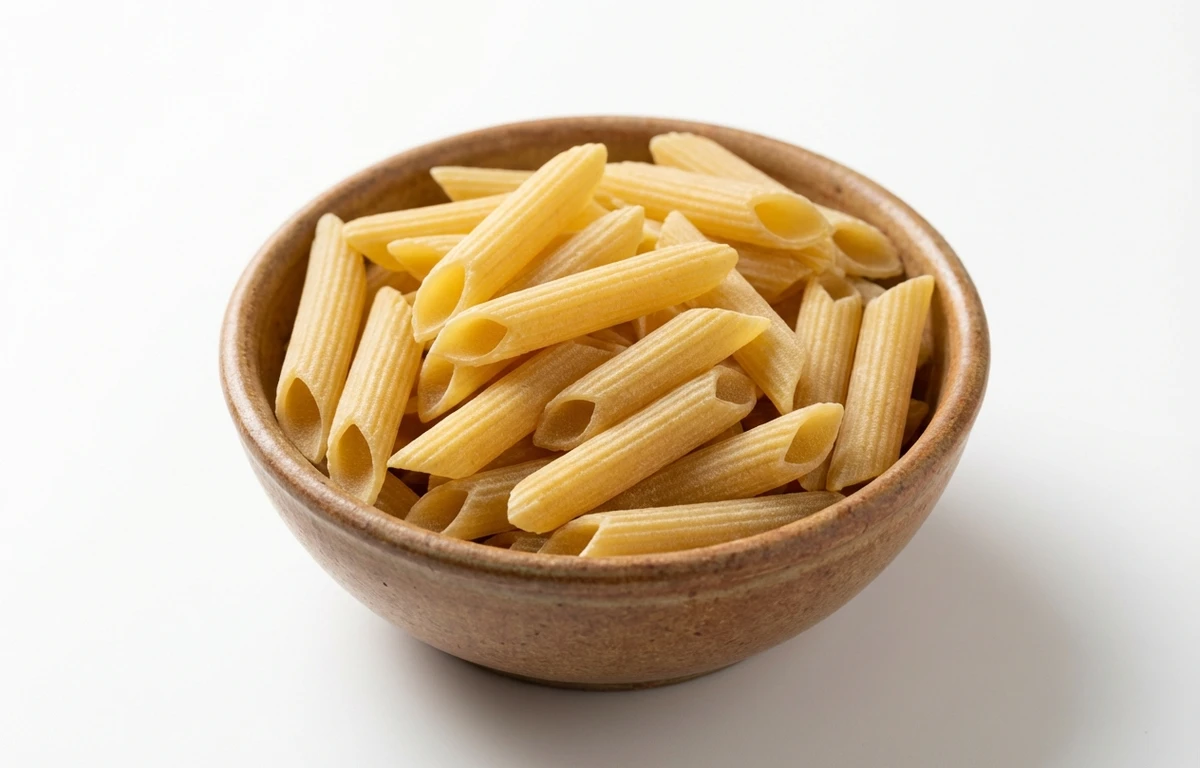
penne pasta.
VegetarianVeganGluten-freeDairy-freeNut-freePeanut-freeSoy-freeEgg-freeShellfish-freeHoney-freeAlcohol-free
ALSO KNOWN AS
pennequill pastapenne pastaridged pennepenne rigate pastadried pennePenne Rigate
SERVING
CALORIES
160
PROTEIN
5.8g
CARBS
30.6g
FAT
0.90g
FIBER
1.8g
NUTRITION PROFILE · per 100 g
Everything in this ingredient.
MACRONUTRIENTS
Calories160kcal—
Protein5.8g12%
Carbohydrates30.6g11%
Fiber1.8g6%
Sugar0.60g1%
Total fat0.90g1%
Saturated fat0.10g1%
Cholesterol0mg0%
Water65g—
MINERALS
Sodium1.0mg0%
Potassium60mg1%
Calcium8.0mg1%
Iron1.2mg7%
Magnesium18mg4%
Phosphorus58mg5%
Zinc0.50mg5%
VITAMINS
Vitamin A0µg0%
Vitamin C0mg0%
Vitamin D0µg0%
Vitamin K1.0µg1%
Thiamin (B1)2.0mg167%
Riboflavin (B2)0.15mg12%
Niacin (B3)1.2mg8%
Vitamin B60.05mg3%
%DV based on a 2,000 cal diet. Source: USDA FoodData Central. A dash in the %DV column means there’s no established Daily Value for that nutrient.
MEASUREMENT CONVERSIONS
How much is what.
1 cup113g
1 tablespoon7.1g
1 teaspoon2.4g
1 oz28.4g
1 lb453.6g
1 ml0.5g
1 liter470.8g
HEALTH BENEFITS
Why eat it.
- ✓Provides sustained energy from complex carbohydrates, which are the body's primary fuel source.
- ✓Often enriched with essential nutrients like iron and B vitamins, including folic acid, which is crucial for cell growth.
- ✓Naturally low in sodium and fat, making it a suitable component of a heart-healthy diet when paired with vegetables and lean proteins.
- ✓Can be a good source of dietary fiber, especially if choosing the whole wheat variety, which aids in digestion and promotes satiety.
COOKING TIPS
In the kitchen.
- 1Cook in a large pot with plenty of generously salted boiling water (at least 4 quarts of water per pound of pasta) to ensure even cooking and prevent sticking.
- 2Stir occasionally during the first few minutes of cooking to separate the pieces. Cook until 'al dente' (firm to the bite) for the best texture, typically following the package instructions.
- 3Before draining, reserve about a cup of the starchy pasta water. This liquid gold can be added to your sauce to help it emulsify and cling to the pasta.
- 4Do not rinse the pasta after draining (unless making a cold salad), as the surface starch helps the sauce adhere better.
STORAGE
Keep it fresh.
- Store dry, uncooked penne in a cool, dark, and dry place like a pantry. Once opened, keep it in an airtight container to protect against moisture and pests; it can last for up to two years.
- Refrigerate cooked penne in an airtight container for 3-5 days. Tossing it with a small amount of olive oil can prevent the pieces from sticking together.
FAQ
Frequently asked questions.
Is penne pasta healthy?
Yes, penne pasta can be a healthy part of a balanced diet. It provides sustained energy from complex carbohydrates, which are the body's primary fuel source. It's often enriched with iron and B vitamins, including folic acid, and is naturally low in sodium and fat.
How many calories and carbs are in penne pasta?
Per 100g of cooked penne pasta, there are approximately 160 calories and 30.6g of carbohydrates. It also contains about 5.8g of protein and 0.9g of fat, making it a good source of energy.
Is penne pasta good for weight loss?
Penne pasta can be part of a weight-loss diet when consumed in moderation and paired with nutrient-dense, low-calorie sauces and plenty of vegetables. Its complex carbohydrates provide satiety, but portion control is key due to its calorie density.
Is penne pasta gluten-free?
Traditional penne pasta, made from durum wheat semolina, is not gluten-free. However, many brands offer gluten-free penne pasta made from alternative flours like corn, rice, or legumes, which are suitable for individuals with celiac disease or gluten sensitivity.
Can diabetics eat penne pasta?
Diabetics can eat penne pasta in moderation, preferably whole wheat varieties, as part of a balanced meal. Whole wheat pasta has more fiber, which helps slow down sugar absorption. Portion control and pairing it with lean protein and non-starchy vegetables are crucial to manage blood sugar levels.
How do you cook penne pasta?
To cook penne pasta, bring a large pot of salted water to a rolling boil. Add the pasta and cook according to package directions, usually 10-12 minutes, stirring occasionally, until al dente. Drain well before serving.
What kind of sauces pair well with penne pasta?
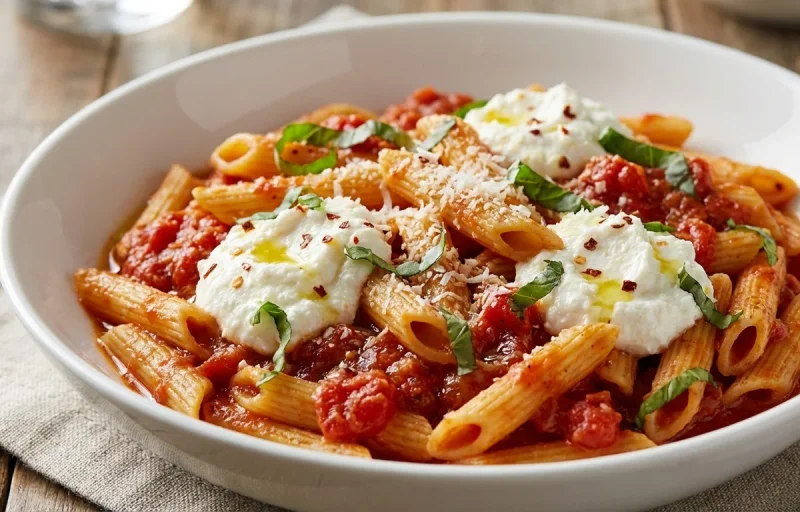
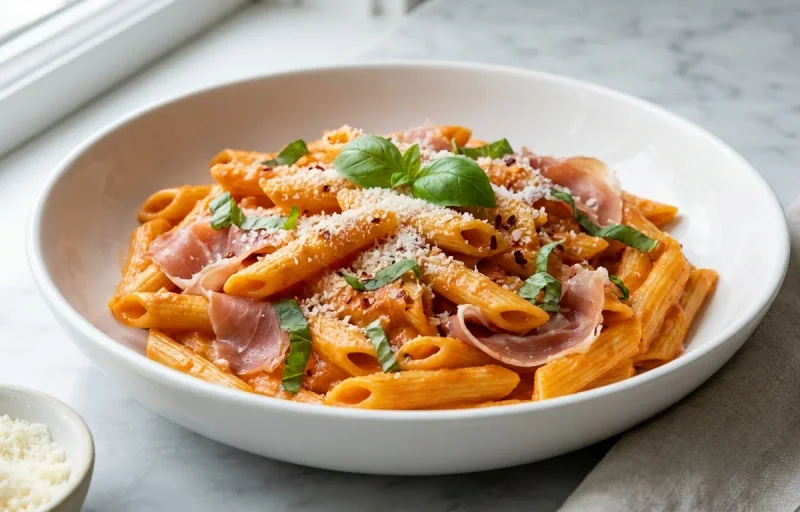
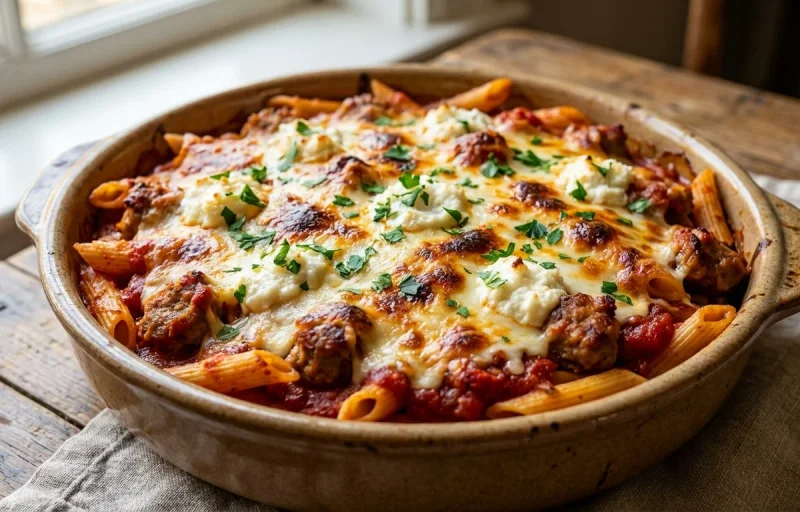
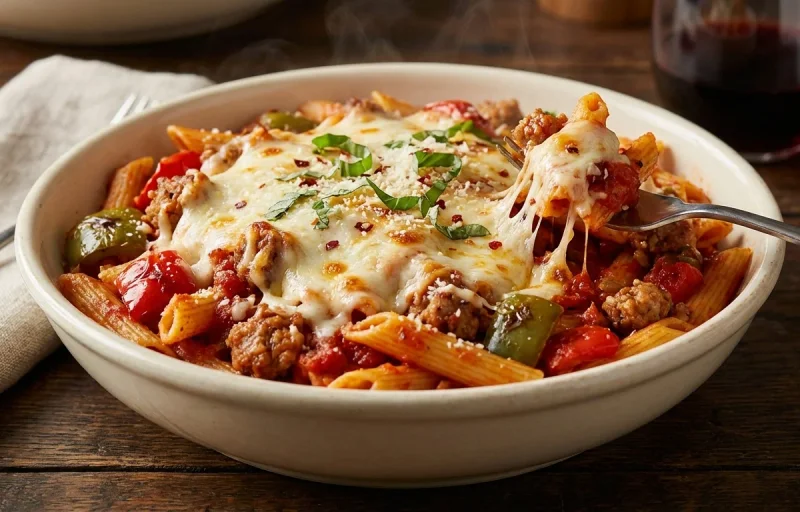
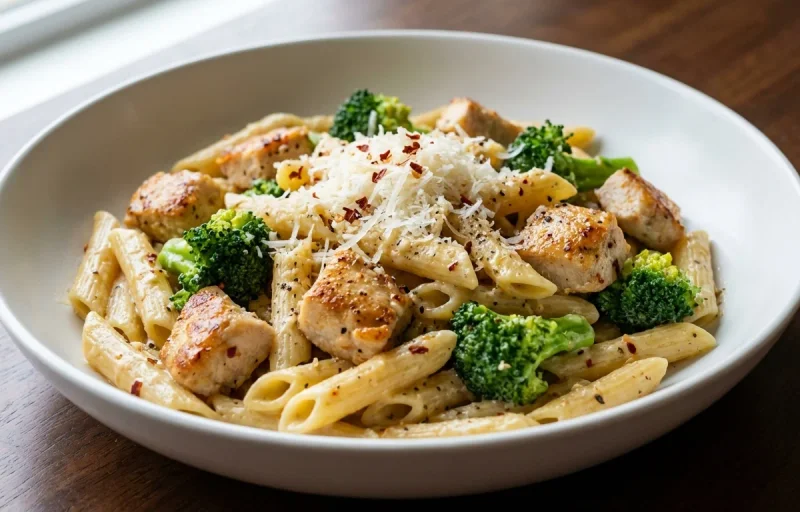
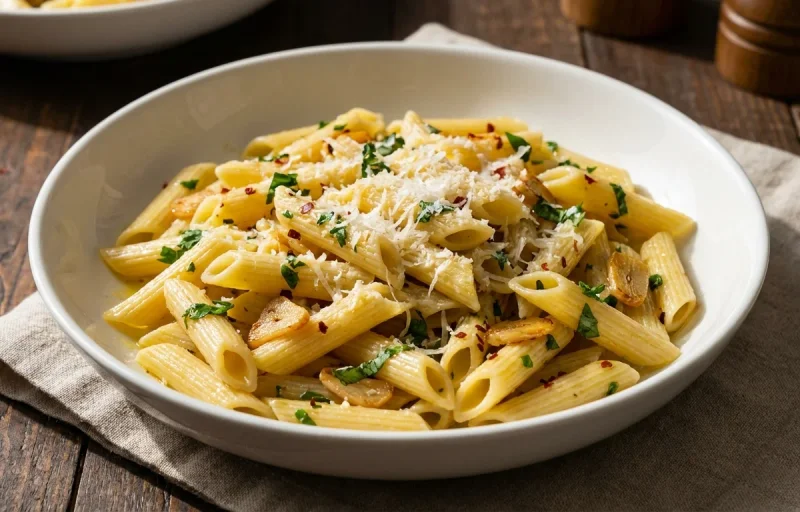
Penne pasta's tubular shape and ridged surface make it excellent for holding a variety of sauces. It pairs well with chunky meat sauces like Bolognese, creamy sauces like Alfredo, and robust vegetable sauces such as arrabbiata or pesto.
How do you store uncooked and cooked penne pasta?
Uncooked penne pasta should be stored in a cool, dry pantry in an airtight container to prevent moisture and pests. Cooked penne pasta should be refrigerated in an airtight container and can last for 3-5 days.
How long does penne pasta last?
Unopened, dry penne pasta can last for 1-2 years beyond its 'best by' date if stored properly in a cool, dry place. Once cooked, penne pasta should be consumed within 3-5 days when stored in the refrigerator.
What is the difference between regular and whole wheat penne pasta?
Regular penne pasta is made from refined durum wheat semolina, which has the bran and germ removed. Whole wheat penne pasta uses the entire wheat kernel, including the bran, germ, and endosperm, resulting in higher fiber content, more nutrients, and a slightly nuttier flavor.
RECIPES
Cook with penne pasta.
10 recipes · sorted by what’s quick