Grain6 recipes
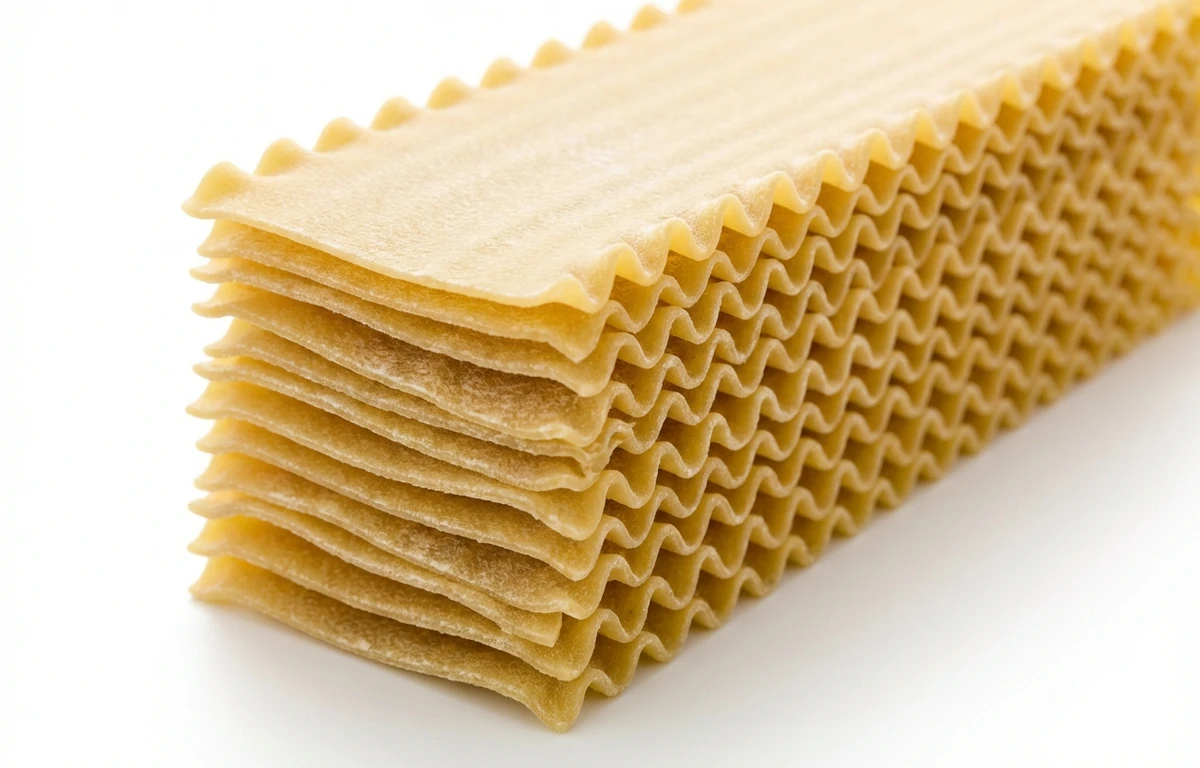
no-boil lasagna noodles.
VegetarianVeganGluten-freeDairy-freeNut-freePeanut-freeSoy-freeEgg-freeShellfish-freeHoney-freeAlcohol-free
ALSO KNOWN AS
oven-ready lasagna noodlesno cook lasagna noodles
SERVING
CALORIES
371
PROTEIN
13.2g
CARBS
74.3g
FAT
1.5g
FIBER
3.6g
NUTRITION PROFILE · per 100 g
Everything in this ingredient.
MACRONUTRIENTS
Calories371kcal—
Protein13.2g26%
Carbohydrates74.3g27%
Fiber3.6g13%
Sugar2.5g5%
Total fat1.5g2%
Saturated fat0.30g2%
Trans fat0g—
Water9.5g—
MINERALS
Sodium10mg0%
Potassium200mg4%
Calcium20mg2%
Iron3.2mg18%
Magnesium60mg14%
Phosphorus200mg16%
Zinc1.2mg11%
Copper0.25mg28%
Manganese0.90mg39%
Selenium70.6µg128%
VITAMINS
Vitamin E0.20mg1%
Vitamin K0.50µg0%
Thiamin (B1)0.60mg50%
Riboflavin (B2)0.30mg23%
Niacin (B3)6.6mg41%
Pantothenic acid (B5)0.50mg10%
Vitamin B60.10mg6%
Folate (B9)200µg50%
Vitamin B120µg0%
%DV based on a 2,000 cal diet. Source: USDA FoodData Central. A dash in the %DV column means there’s no established Daily Value for that nutrient.
MEASUREMENT CONVERSIONS
How much is what.
1 piece19g
HEALTH BENEFITS
Why eat it.
- ✓Provides complex carbohydrates, a primary source of sustained energy for the body.
- ✓Enriched varieties are a good source of B vitamins, such as folate and niacin, which are crucial for metabolism.
- ✓Naturally low in sodium and fat, making it a versatile base for heart-healthy meals.
- ✓Contains some dietary fiber, which supports digestive health.
COOKING TIPS
In the kitchen.
- 1Use a generous amount of a relatively thin sauce, as the noodles absorb significant liquid to cook directly in the oven.
- 2Ensure the top layer of noodles is completely covered with sauce and cheese to prevent them from drying out and becoming tough.
- 3Cover the lasagna dish tightly with foil for the first 30-40 minutes of baking to trap steam, which is essential for cooking the noodles through.
- 4Allow the finished lasagna to rest for at least 15 minutes before slicing to let it set, which prevents it from falling apart.
STORAGE
Keep it fresh.
- Store unopened packages in a cool, dry, dark place like a pantry; they are shelf-stable for up to 2 years.
- After opening, transfer the noodles to an airtight container to protect them from moisture, pests, and absorbing other odors.
FAQ
Frequently asked questions.
Are no-boil lasagna noodles healthy?
No-boil lasagna noodles provide complex carbohydrates, offering sustained energy for the body. Enriched varieties contribute B vitamins like folate and niacin, essential for metabolism. They are naturally low in sodium and fat, and contain some dietary fiber for digestive health, making them a good base for a balanced meal.
How many calories and carbohydrates are in no-boil lasagna noodles?
Per 100g, no-boil lasagna noodles contain approximately 371 calories and 74.3g of carbohydrates. They also provide 13.2g of protein and 1.5g of fat, making them a significant source of energy.
Are no-boil lasagna noodles a good source of energy?
Yes, no-boil lasagna noodles are an excellent source of sustained energy due to their high complex carbohydrate content. These carbohydrates are broken down slowly, providing a steady release of glucose for the body's fuel needs.
Are no-boil lasagna noodles gluten-free?
Traditional no-boil lasagna noodles are made from wheat flour and are not gluten-free. However, many brands now offer gluten-free versions made from alternative flours like corn, rice, or lentils, so always check the product label for specific dietary needs.
Are no-boil lasagna noodles vegan?
Most traditional no-boil lasagna noodles are vegan, typically made from durum wheat semolina and water. Always check the ingredient list to ensure no egg or dairy products have been added, as some specialty pastas might include them.
How do no-boil lasagna noodles work?
No-boil lasagna noodles are either pre-cooked or very thinly rolled, allowing them to absorb moisture directly from the sauce and other ingredients during baking. This eliminates the need for pre-boiling, significantly saving preparation time.
Do I need to pre-soak no-boil lasagna noodles?
No, you do not need to pre-soak no-boil lasagna noodles. They are specifically designed to absorb moisture directly from the sauce during baking. Ensuring your lasagna has enough liquid is key for them to cook properly and achieve the desired texture.
What's the difference between no-boil and regular lasagna noodles?
The main difference lies in their preparation: regular noodles require boiling before assembly, while no-boil noodles are designed to cook directly in the oven, absorbing liquid from the sauce. No-boil noodles are often thinner or pre-cooked to facilitate this process, offering a quicker assembly time.
How do I store no-boil lasagna noodles?
Unopened packages of no-boil lasagna noodles should be stored in a cool, dry pantry away from direct sunlight. Once opened, reseal the package tightly or transfer the noodles to an airtight container to protect them from moisture and pests, maintaining their quality.
How long do no-boil lasagna noodles last?
Unopened, no-boil lasagna noodles typically have a long shelf life, often lasting 2-3 years past the printed 'best by' date if stored properly in a cool, dry place. Once opened, they remain good for several months if kept in an airtight container.
RECIPES
Cook with no-boil lasagna noodles.
6 recipes · sorted by what’s quick