Sweetener
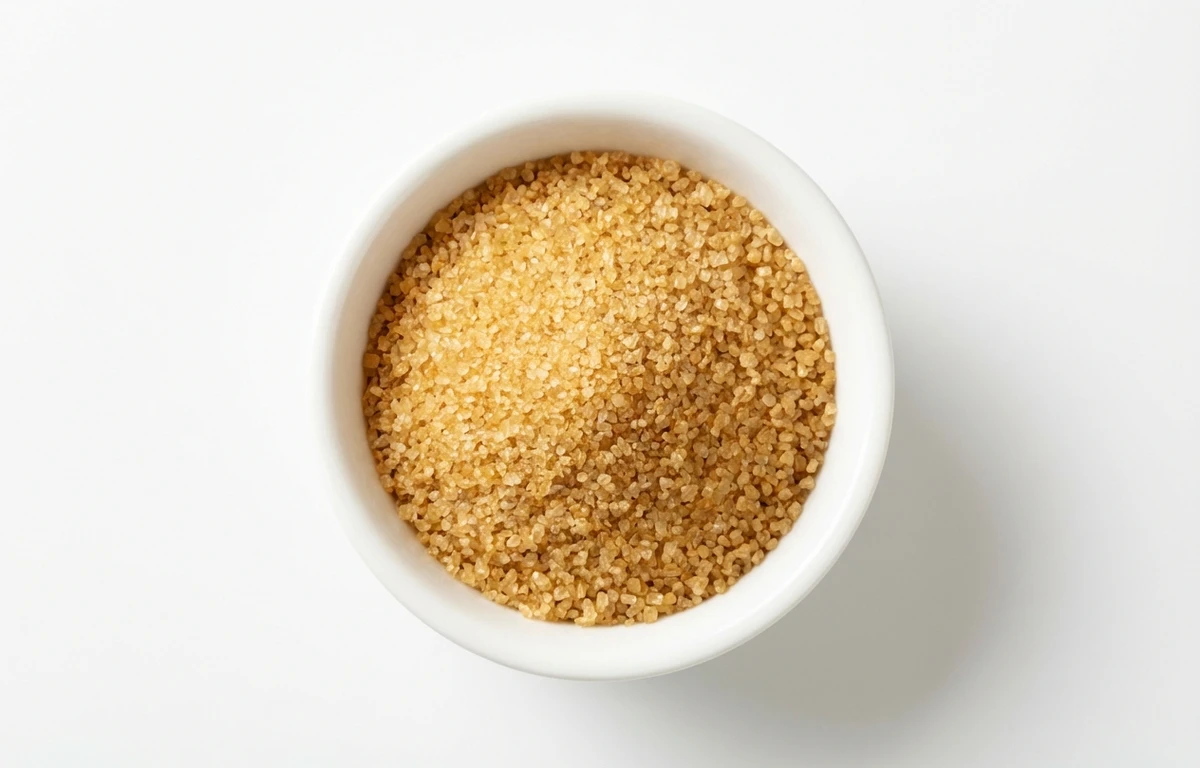
maple sugar.
VegetarianVeganGluten-freeDairy-freeNut-freePeanut-freeSoy-freeEgg-freeShellfish-freeHoney-freeAlcohol-free
SERVING
CALORIES
354
PROTEIN
0.10g
CARBS
90.9g
FAT
0.20g
FIBER
0g
NUTRITION PROFILE · per 100 g
Everything in this ingredient.
MACRONUTRIENTS
Calories354kcal—
Protein0.10g0%
Carbohydrates90.9g33%
Fiber0g0%
Sugar84.9g170%
Total fat0.20g0%
Saturated fat0.04g0%
Cholesterol0mg0%
Water8.0g—
MINERALS
Sodium11mg0%
Potassium274mg6%
Calcium90mg7%
Iron1.6mg9%
Magnesium19mg5%
Phosphorus3.0mg0%
Zinc6.1mg55%
Copper0.10mg11%
Manganese4.4mg192%
Selenium0.80µg1%
VITAMINS
Vitamin A0µg0%
Vitamin C0mg0%
Vitamin D0µg0%
Vitamin E0mg0%
Vitamin K0µg0%
Thiamin (B1)0.01mg1%
Riboflavin (B2)0.01mg1%
Niacin (B3)0.04mg0%
Pantothenic acid (B5)0.05mg1%
Vitamin B60mg0%
Folate (B9)0µg0%
Vitamin B120µg0%
%DV based on a 2,000 cal diet. Source: USDA FoodData Central. A dash in the %DV column means there’s no established Daily Value for that nutrient.
MEASUREMENT CONVERSIONS
How much is what.
1 cup144g
1 tablespoon9g
1 teaspoon3g
1 ml0.6g
1 liter600g
1 piece28g
HEALTH BENEFITS
Why eat it.
- ✓Contains antioxidants and minerals like manganese and zinc, which are absent in refined white sugar.
- ✓Has a lower glycemic index (around 54) compared to table sugar (around 65), leading to a slower rise in blood sugar levels.
- ✓Serves as a more natural and less processed alternative to highly refined sweeteners.
- ✓Its unique flavor profile allows for using slightly less sweetener in some recipes without sacrificing taste.
COOKING TIPS
In the kitchen.
- 1Use as a 1:1 replacement for granulated white or brown sugar in baking recipes like cookies, cakes, and muffins.
- 2Its distinct caramel and vanilla notes make it an excellent choice for finishing dishes; sprinkle it on oatmeal, yogurt, or roasted vegetables.
- 3Dissolves easily in both hot and cold liquids, making it ideal for sweetening coffee, tea, marinades, and glazes.
- 4When substituting for liquid maple syrup in a recipe, reduce the liquid content of the recipe slightly to maintain the correct consistency.
STORAGE
Keep it fresh.
- Store in an airtight container in a cool, dark, and dry place, such as a pantry, to prevent clumping.
- If it hardens, place a piece of bread or a damp paper towel in the container for a day to soften it.
FAQ
Frequently asked questions.
Is maple sugar healthy?
Maple sugar is a natural sweetener that contains trace amounts of antioxidants and minerals like manganese and zinc, which are absent in refined white sugar. It also has a slightly lower glycemic index. However, it is still a sugar, high in calories and carbohydrates, and should be consumed in moderation as part of a balanced diet.
How does maple sugar compare nutritionally to white sugar?
Per 100g, maple sugar has about 354 calories and 90.9g carbohydrates, similar to white sugar. The key difference lies in its micronutrient content, offering trace amounts of minerals and antioxidants not found in refined white sugar. It also has a slightly lower glycemic index (around 54) compared to table sugar (around 65).
Is maple sugar good for weight loss?
Maple sugar is not inherently good for weight loss as it is high in calories and carbohydrates (354 calories per 100g). While it offers some nutritional benefits over refined sugar, consuming too much will still contribute to calorie intake. Portion control is crucial when using any sweetener for weight management.
Is maple sugar vegan?
Yes, maple sugar is vegan. It is derived directly from the sap of maple trees, which is boiled down to create syrup, and then further processed to remove water and crystallize into sugar. No animal products are involved in its production.
Can diabetics eat maple sugar? Is it keto-friendly?
While maple sugar has a slightly lower glycemic index than table sugar, it is still a sugar and will raise blood glucose levels. Diabetics should consume it in moderation and monitor their intake carefully. It is not keto-friendly due to its high carbohydrate content (90.9g per 100g).
How do I use maple sugar in cooking and baking?
Maple sugar can generally be substituted for granulated white or brown sugar in most recipes, typically in a 1:1 ratio. However, due to its concentrated maple flavor, you might find you can use slightly less for the same perceived sweetness. It works wonderfully in baked goods, glazes, and as a topping.
What does maple sugar taste like?
Maple sugar has a rich, complex flavor profile that is distinctly maple, with caramel and vanilla undertones. It's less intensely sweet than white sugar and adds a unique depth of flavor that can enhance both sweet and savory dishes.
How should I store maple sugar?
Maple sugar should be stored in an airtight container in a cool, dry place, away from direct sunlight and moisture. This prevents it from clumping, hardening, or absorbing odors from other foods.
How long does maple sugar last?
When stored properly in an airtight container, maple sugar has a very long shelf life, often several years. While it doesn't truly 'spoil' in the traditional sense, its texture might harden over time, but it remains safe to consume.
Is maple sugar less processed than other sugars?
Yes, maple sugar is generally considered less processed than refined white sugar. It's made by simply boiling down maple syrup until all the water evaporates and the sugar crystallizes, without the extensive chemical refining and bleaching processes used for white sugar.