Oil
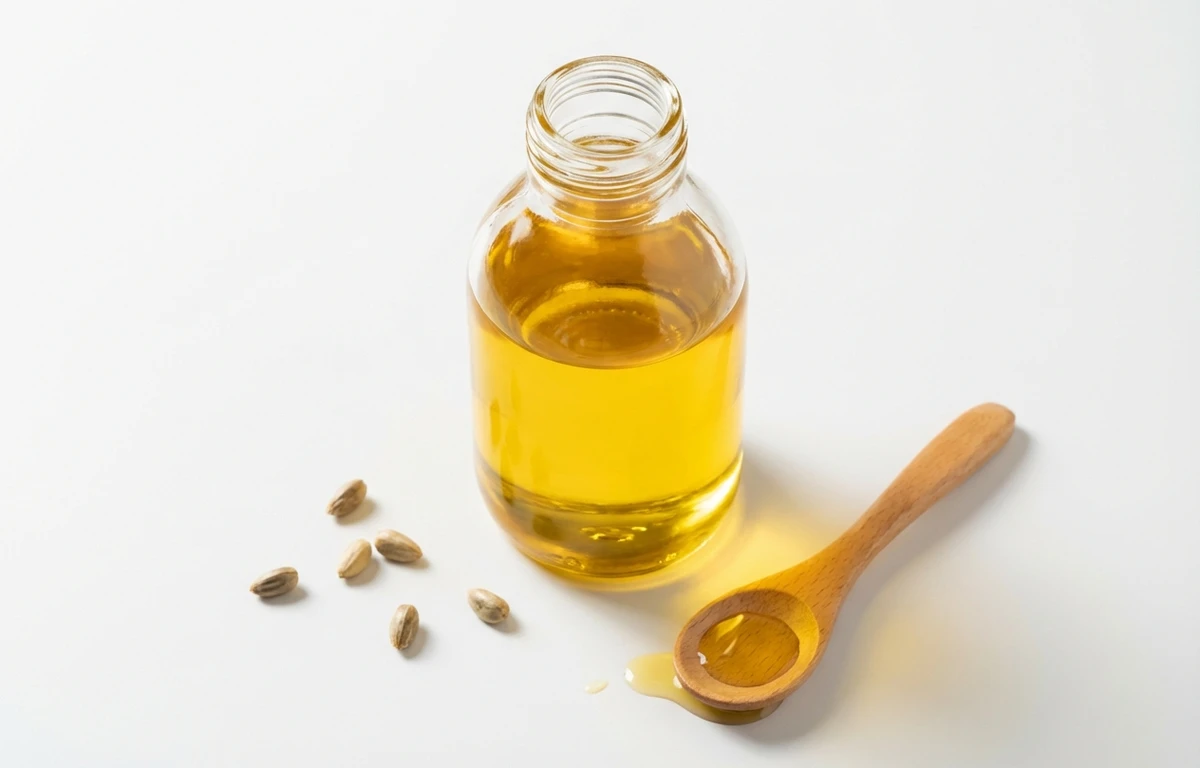
linoleic safflower oil.
VegetarianVeganGluten-freeDairy-freeNut-freePeanut-freeSoy-freeEgg-freeShellfish-freeHoney-freeAlcohol-free
ALSO KNOWN AS
safflower oil
SERVING
CALORIES
884
PROTEIN
0g
CARBS
0g
FAT
100g
FIBER
0g
NUTRITION PROFILE · per 100 g
Everything in this ingredient.
MACRONUTRIENTS
Calories884kcal—
Protein0g0%
Carbohydrates0g0%
Fiber0g0%
Sugar0g0%
Total fat100g128%
Saturated fat6.2g31%
Cholesterol0mg0%
Water0g—
MINERALS
Sodium0mg0%
Potassium0mg0%
Calcium0mg0%
Iron0mg0%
Magnesium0mg0%
Phosphorus0mg0%
Zinc0mg0%
Copper0mg0%
Selenium0µg0%
VITAMINS
Vitamin A0µg0%
Vitamin C0mg0%
Vitamin E34.1mg227%
Vitamin K7.1µg6%
Thiamin (B1)0mg0%
Riboflavin (B2)0mg0%
Niacin (B3)0mg0%
Pantothenic acid (B5)0mg0%
Vitamin B60mg0%
Folate (B9)0µg0%
Vitamin B120µg0%
%DV based on a 2,000 cal diet. Source: USDA FoodData Central. A dash in the %DV column means there’s no established Daily Value for that nutrient.
MEASUREMENT CONVERSIONS
How much is what.
1 cup218g
1 tablespoon13.6g
1 teaspoon4.5g
1 ml0.9g
1 liter906.7g
HEALTH BENEFITS
Why eat it.
- ✓Extremely high in omega-6 polyunsaturated fatty acids (linoleic acid), an essential fatty acid.
- ✓May help improve blood sugar levels and insulin sensitivity when used to replace saturated fats.
- ✓Can support skin health by maintaining the skin's natural barrier and improving hydration.
- ✓May help lower LDL ('bad') cholesterol levels, contributing to better heart health.
COOKING TIPS
In the kitchen.
- 1Best used for cold applications like salad dressings, mayonnaise, and dips due to its neutral flavor.
- 2Suitable for very low-heat cooking or baking, but avoid high-heat methods like frying or searing.
- 3Its high polyunsaturated fat content makes it less stable at high temperatures; it has a lower smoke point than high-oleic safflower oil.
- 4Can be used as a finishing oil, drizzled over dishes just before serving to add richness without cooking.
STORAGE
Keep it fresh.
- Store in a cool, dark place like a pantry, away from direct sunlight and heat sources to prevent it from going rancid.
- Keep the cap tightly sealed to minimize exposure to oxygen, which can degrade the oil's quality over time.
FAQ
Frequently asked questions.
Is linoleic safflower oil healthy?
Yes, linoleic safflower oil is considered healthy when consumed in moderation as part of a balanced diet. It is extremely high in linoleic acid, an essential omega-6 polyunsaturated fatty acid, which is beneficial for heart health and can help lower LDL ('bad') cholesterol levels.
What are the main nutritional components of linoleic safflower oil?
Per 100g, linoleic safflower oil contains 884 calories and 100g of fat, with no protein or carbohydrates. Its fat content is almost entirely polyunsaturated fatty acids, primarily linoleic acid (omega-6).
How does linoleic safflower oil benefit heart health?
Linoleic safflower oil is rich in polyunsaturated fats, particularly linoleic acid, which is known to help reduce LDL ('bad') cholesterol levels. Replacing saturated fats in your diet with this oil can contribute to improved cardiovascular health and may help improve blood sugar levels.
Is linoleic safflower oil suitable for a vegan diet?
Yes, linoleic safflower oil is entirely plant-based, extracted from the seeds of the safflower plant. It contains no animal products, making it suitable for vegan and vegetarian diets.
Is linoleic safflower oil keto-friendly?
Yes, linoleic safflower oil is an excellent choice for a ketogenic diet. It contains 100% fat and zero carbohydrates or protein, making it a pure fat source that aligns well with keto macros.
What is linoleic safflower oil best used for in cooking?
Linoleic safflower oil has a neutral flavor and a relatively high smoke point (around 450°F or 232°C), making it versatile for various cooking methods. It's ideal for baking, sautéing, stir-frying, and making salad dressings.
What is the smoke point of linoleic safflower oil?
Linoleic safflower oil typically has a high smoke point, generally around 450°F (232°C). This makes it suitable for high-heat cooking applications like frying, roasting, and sautéing without breaking down and producing harmful compounds.
How should linoleic safflower oil be stored?
To maintain its freshness and prevent rancidity, linoleic safflower oil should be stored in a cool, dark place away from direct sunlight and heat. Once opened, ensure the cap is tightly sealed. Refrigeration is not typically necessary but can extend shelf life.
What is the difference between linoleic and high-oleic safflower oil?
The primary difference lies in their fatty acid profiles. Linoleic safflower oil is high in polyunsaturated omega-6 fatty acids (linoleic acid), while high-oleic safflower oil is high in monounsaturated omega-9 fatty acids (oleic acid). High-oleic varieties generally have a higher smoke point and longer shelf life.
Can linoleic safflower oil help with skin health?
Yes, the linoleic acid in safflower oil is an essential fatty acid that plays a crucial role in maintaining the skin's natural barrier function. When applied topically or consumed, it can help improve skin hydration, reduce dryness, and support overall skin health.