Dairy
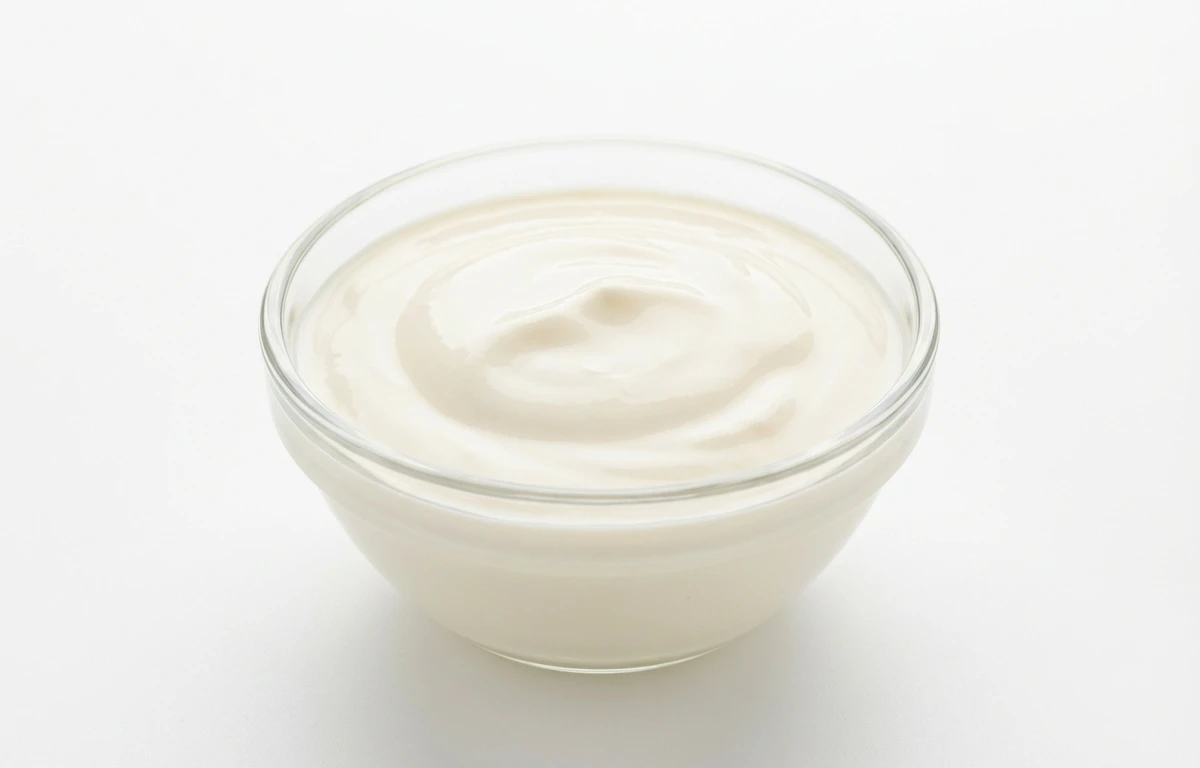
light sour cream.
VegetarianVeganGluten-freeDairy-freeNut-freePeanut-freeSoy-freeEgg-freeShellfish-freeHoney-freeAlcohol-freeFermented
SERVING
CALORIES
136
PROTEIN
3.5g
CARBS
7.1g
FAT
10.6g
FIBER
0g
NUTRITION PROFILE · per 100 g
Everything in this ingredient.
MACRONUTRIENTS
Calories136kcal—
Protein3.5g7%
Carbohydrates7.1g3%
Fiber0g0%
Sugar0.22g0%
Total fat10.6g14%
Saturated fat6.6g33%
Cholesterol35mg12%
Water78.1g—
MINERALS
Sodium83mg4%
Potassium212mg5%
Calcium141mg11%
Iron0.07mg0%
Magnesium10mg2%
Phosphorus71mg6%
Zinc0.50mg5%
Copper0.02mg2%
Selenium3.1µg6%
VITAMINS
Vitamin A90µg10%
Vitamin C0.90mg1%
Vitamin D0.20µg1%
Vitamin E0.30mg2%
Vitamin K0.50µg0%
Thiamin (B1)0.04mg3%
Riboflavin (B2)0.12mg9%
Niacin (B3)0.07mg0%
Vitamin B60.02mg1%
Folate (B9)11µg3%
Vitamin B120.42µg18%
%DV based on a 2,000 cal diet. Source: USDA FoodData Central. A dash in the %DV column means there’s no established Daily Value for that nutrient.
MEASUREMENT CONVERSIONS
How much is what.
1 cup230g
1 tablespoon12g
1 teaspoon4g
1 ml0.8g
1 liter800g
HEALTH BENEFITS
Why eat it.
- ✓Lower in fat and calories than regular sour cream, making it a suitable choice for weight management.
- ✓Contains probiotics (live active cultures) which can support digestive health and a balanced gut microbiome.
- ✓Provides essential nutrients like calcium and phosphorus for bone health, and riboflavin (Vitamin B2) for energy metabolism.
- ✓Source of complete protein, containing all essential amino acids necessary for muscle repair and body functions.
COOKING TIPS
In the kitchen.
- 1To prevent curdling when adding to hot dishes like soups or sauces, temper it by whisking a small amount of the hot liquid into the sour cream before stirring the mixture back into the pot off the heat.
- 2Use as a healthier base for creamy dips and dressings by mixing with herbs, spices, and lemon juice.
- 3In baking, it can add moisture and a slight tang to cakes, muffins, and scones, though the lower fat content may result in a less rich texture than full-fat versions.
- 4Serve as a cool and creamy topping for spicy or rich foods like tacos, chili, and baked potatoes to balance the flavors.
STORAGE
Keep it fresh.
- Store in the refrigerator at or below 40°F (4°C) with the lid tightly sealed.
- Once opened, use within 7 to 10 days for optimal freshness and to prevent spoilage.
- Avoid freezing, as it will cause the sour cream to separate and develop a grainy, watery texture upon thawing.
FAQ
Frequently asked questions.
Is light sour cream healthy?
Yes, light sour cream can be a healthy addition to a balanced diet, especially when compared to regular sour cream. It offers fewer calories and less fat, making it a good option for weight management. Additionally, it often contains probiotics for gut health and provides essential nutrients like calcium and protein.
How much protein, calories, and fat are in light sour cream?
Per 100g, light sour cream contains approximately 136 calories, 3.5g of protein, and 10.6g of fat. It also provides about 7.1g of carbohydrates. These values are significantly lower than those found in full-fat sour cream.
Is light sour cream good for weight loss?
Light sour cream can be a beneficial choice for weight loss due to its reduced calorie and fat content compared to regular sour cream. By opting for the light version, you can enjoy the creamy taste with fewer calories, helping to manage overall caloric intake. However, portion control is still important.
Is light sour cream lactose-free?
No, light sour cream is not typically lactose-free. As a dairy product made from milk, it naturally contains lactose. Individuals with severe lactose intolerance may experience discomfort, though some brands might offer lactose-reduced versions.
Is light sour cream vegan?
No, light sour cream is not vegan. It is a dairy product made from cow's milk, which means it contains animal-derived ingredients. For a vegan alternative, look for plant-based sour cream substitutes made from ingredients like cashews or soy.
Can diabetics eat light sour cream?
Yes, diabetics can generally eat light sour cream in moderation. With approximately 7.1g of carbohydrates per 100g, it has a relatively low carb count compared to many other dairy products. Always consider portion sizes and how it fits into your overall dietary plan.
How can I use light sour cream in cooking?
Light sour cream is very versatile and can be used in many dishes where regular sour cream is called for. It's excellent as a topping for baked potatoes, tacos, or chili, and can be incorporated into dips, dressings, and sauces. It adds a tangy creaminess without excessive fat.
Can I substitute light sour cream for regular sour cream in recipes?
Yes, you can often substitute light sour cream for regular sour cream, especially in cold applications like dips or as a topping. However, in recipes requiring high heat, light sour cream may curdle more easily due to its lower fat content. For baking, it might alter the texture slightly, so it's best for recipes where the fat content isn't critical for structure.
How do you store light sour cream?
Light sour cream should always be stored in the refrigerator at or below 40°F (4°C). Keep it in its original, tightly sealed container to maintain freshness and prevent absorption of other odors. Proper storage helps extend its shelf life.
How do you know if light sour cream is spoiled?
Signs of spoiled light sour cream include a noticeable change in texture, such as excessive liquid separation or a lumpy consistency. A strong, off-putting sour smell, mold growth, or discoloration are also clear indicators that it should be discarded. Always check the "best by" date.