Protein1 recipes
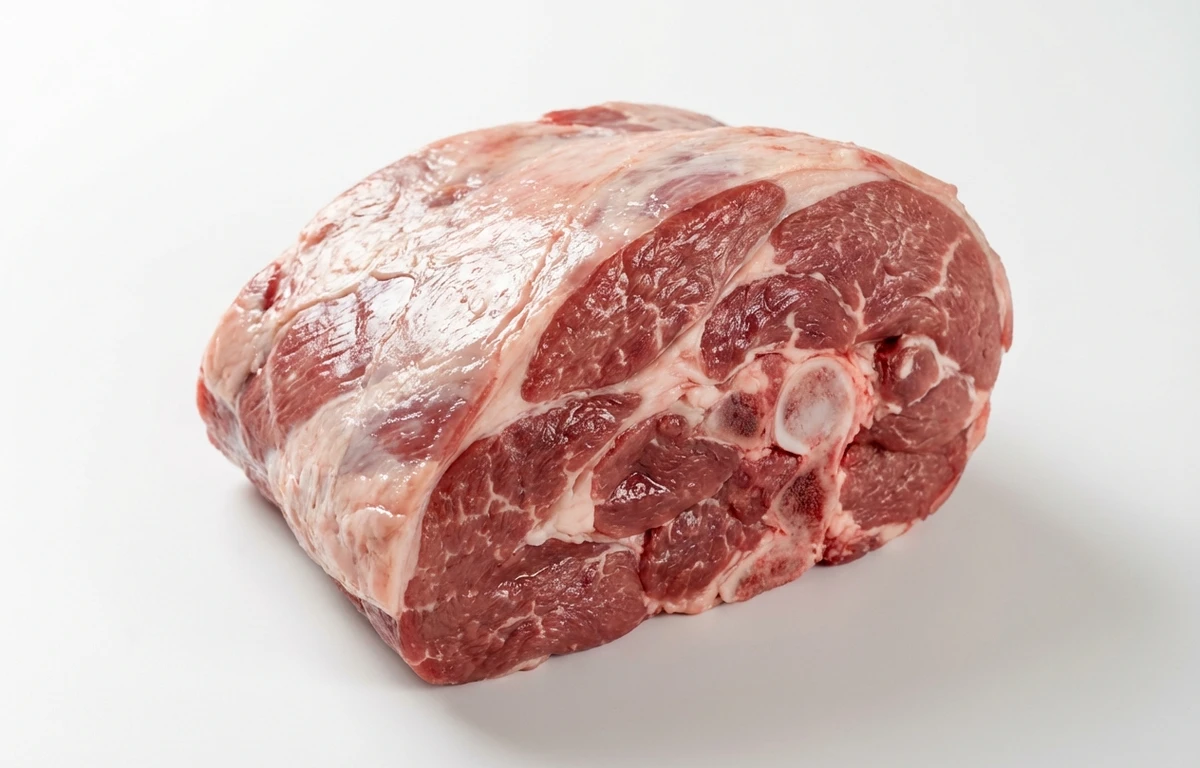
lamb shoulder.
VegetarianVeganGluten-freeDairy-freeNut-freePeanut-freeSoy-freeEgg-freeShellfish-freeHoney-freeAlcohol-free
ALSO KNOWN AS
raw lamb shoulderNew Zealand lamblamb shoulderraw New Zealand lamb shoulder
SERVING
CALORIES
272
PROTEIN
16.2g
CARBS
0.24g
FAT
22.9g
FIBER
0g
NUTRITION PROFILE · per 100 g
Everything in this ingredient.
MACRONUTRIENTS
Calories272kcal—
Protein16.2g32%
Carbohydrates0.24g0%
Fiber0g0%
Sugar0g0%
Total fat22.9g29%
Saturated fat9.9g49%
Trans fat1.2g—
Cholesterol60mg20%
Water61.1g—
MINERALS
Sodium64mg3%
Potassium261mg6%
Calcium10mg1%
Iron1.0mg6%
Magnesium17mg4%
Phosphorus147mg12%
Zinc2.9mg26%
Copper0.08mg9%
Manganese0.01mg0%
Selenium4.5µg8%
VITAMINS
Vitamin A14µg2%
Vitamin C0mg0%
Vitamin D0.20µg1%
Vitamin E0.53mg4%
Thiamin (B1)0.10mg8%
Riboflavin (B2)0.13mg10%
Niacin (B3)2.9mg18%
Pantothenic acid (B5)0.25mg5%
Vitamin B60.12mg7%
Vitamin B121.9µg78%
%DV based on a 2,000 cal diet. Source: USDA FoodData Central. A dash in the %DV column means there’s no established Daily Value for that nutrient.
MEASUREMENT CONVERSIONS
How much is what.
1 cup150g
1 oz28.4g
1 lb453.6g
1 piece100g
HEALTH BENEFITS
Why eat it.
- ✓Rich source of high-quality complete protein, essential for muscle growth, repair, and maintenance.
- ✓Excellent source of heme iron, which is more easily absorbed by the body than non-heme iron, helping to prevent anemia.
- ✓Provides significant amounts of B vitamins, particularly B12 for nerve function and B3 (niacin) for energy metabolism.
- ✓Contains important minerals like zinc, crucial for immune function, and selenium, a powerful antioxidant.
COOKING TIPS
In the kitchen.
- 1Best suited for slow-cooking methods like braising, stewing, or slow-roasting, which break down the tough connective tissue, making the meat tender and flavorful.
- 2Before roasting, bring the shoulder to room temperature for about an hour to ensure even cooking.
- 3Score the fat cap and season generously with salt, pepper, garlic, and herbs like rosemary and thyme to create a flavorful crust.
- 4After cooking, let the lamb shoulder rest for at least 15-20 minutes before carving to allow the juices to redistribute, ensuring a moist result.
STORAGE
Keep it fresh.
- Store fresh lamb shoulder in its original packaging in the coldest part of the refrigerator (at or below 40°F / 4°C) and use within 3-5 days.
- For long-term storage, wrap tightly in plastic wrap and heavy-duty foil or place in a freezer bag, and freeze at 0°F (-18°C) for up to 9 months.
FAQ
Frequently asked questions.
Is lamb shoulder healthy?
Yes, lamb shoulder offers several health benefits. It's an excellent source of high-quality protein, essential for muscle health, and rich in heme iron, which helps prevent anemia. It also provides vital B vitamins (especially B12 and B3), zinc, and selenium, supporting nerve function, energy metabolism, and immune health.
What are the nutritional values of lamb shoulder per 100g?
Per 100g, lamb shoulder contains approximately 272 calories, 16.16g of protein, 0.24g of carbohydrates, and 22.89g of fat. It's a calorie-dense cut due to its fat content, but also provides significant protein and essential micronutrients.
Is lamb shoulder good for weight loss?
While lamb shoulder is rich in protein, which can aid satiety, its relatively high calorie and fat content (22.89g fat per 100g) means it should be consumed in moderation for weight loss. Opting for leaner cuts of lamb or trimming visible fat can make it a more suitable option within a calorie-controlled diet.
Is lamb shoulder keto-friendly?
Yes, lamb shoulder is very keto-friendly. It is extremely low in carbohydrates (0.24g per 100g) and provides a good balance of protein and healthy fats, making it an excellent choice for those following a ketogenic diet.
Is lamb shoulder gluten-free?
Yes, plain lamb shoulder is naturally gluten-free. As an unprocessed meat, it does not contain any gluten. However, always check ingredients if purchasing pre-marinated or processed lamb products, as they might contain gluten-containing additives.
How should I cook lamb shoulder?
Lamb shoulder is best suited for slow-cooking methods like braising, stewing, roasting, or slow-cooking in a crockpot. These methods help break down the connective tissues, resulting in tender, flavorful meat. It's often cooked until it's fall-off-the-bone tender.
What does lamb shoulder taste like?
Lamb shoulder has a rich, robust, and slightly gamey flavor, characteristic of lamb. It's more intensely flavored than leaner cuts and benefits from slow cooking, which allows its deep, savory notes to develop fully. The fat content also contributes to its succulence and flavor.
How do you store fresh lamb shoulder?
Fresh lamb shoulder should be stored in its original packaging or wrapped tightly in plastic wrap or foil in the coldest part of your refrigerator. It should be consumed or frozen within 3-5 days of purchase to ensure freshness and safety.
Can you freeze lamb shoulder?
Yes, lamb shoulder freezes very well. For best quality, wrap it tightly in freezer paper, heavy-duty foil, or place it in a freezer-safe bag, removing as much air as possible. Frozen lamb shoulder can maintain its quality for 6-9 months. Thaw slowly in the refrigerator before cooking.
Is lamb shoulder considered halal or kosher?
Lamb shoulder can be halal or kosher, but it depends on how the animal was slaughtered and processed. For lamb to be considered halal, it must be slaughtered according to Islamic dietary laws. For it to be kosher, it must be slaughtered according to Jewish dietary laws by a shochet and meet specific requirements. The meat itself is permissible, but the preparation is key.
RECIPES
Cook with lamb shoulder.
1 recipes · sorted by what’s quick