Protein10 recipes
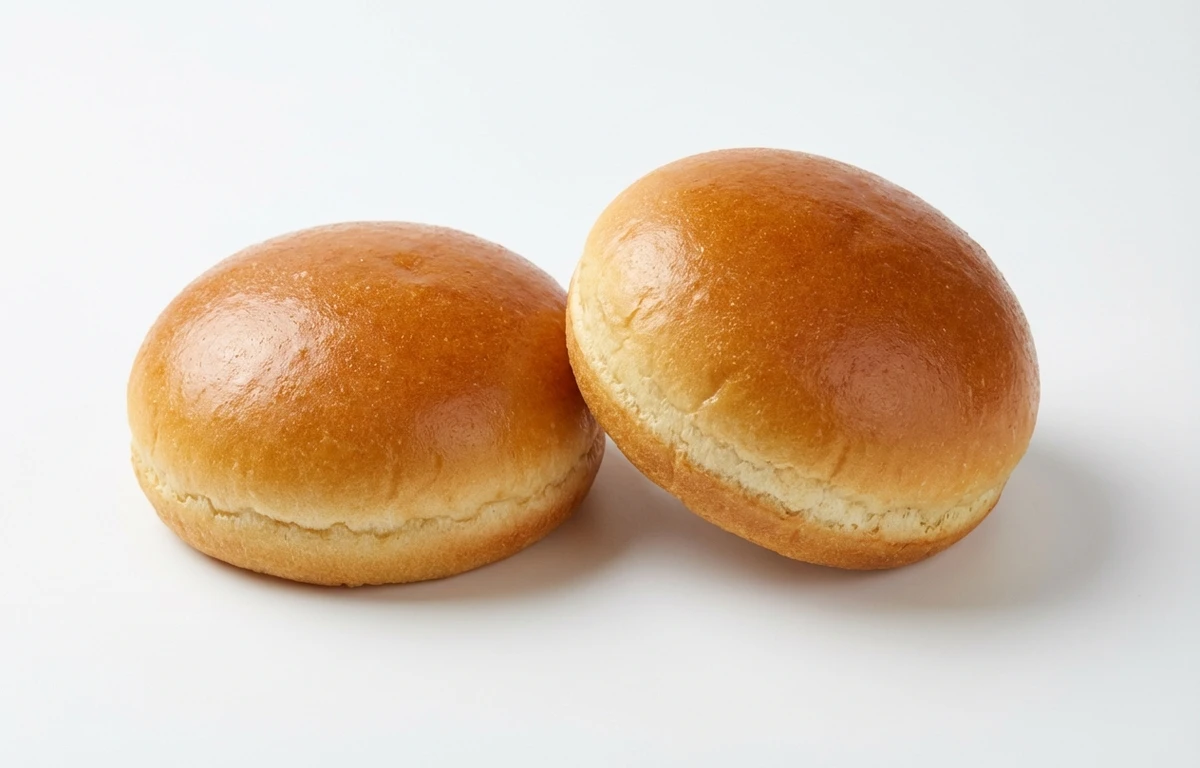
hamburger buns.
VegetarianVeganGluten-freeDairy-freeNut-freePeanut-freeSoy-freeEgg-freeShellfish-freeHoney-freeAlcohol-freeFermented
ALSO KNOWN AS
burger bunshamburger rollshamburger bunsburger rolls
SERVING
CALORIES
270
PROTEIN
8.5g
CARBS
50g
FAT
4.5g
FIBER
2.0g
NUTRITION PROFILE · per 100 g
Everything in this ingredient.
MACRONUTRIENTS
Calories270kcal—
Protein8.5g17%
Carbohydrates50g18%
Fiber2.0g7%
Sugar6.0g12%
Total fat4.5g6%
Saturated fat0.90g5%
Cholesterol0mg0%
Water34g—
MINERALS
Sodium480mg21%
Potassium110mg2%
Calcium120mg9%
Iron2.5mg14%
Magnesium7.6mg2%
Phosphorus31.6mg3%
Zinc0.25mg2%
Copper0.03mg3%
Selenium6.5µg12%
VITAMINS
Vitamin A0µg0%
Vitamin C0mg0%
Vitamin D0µg0%
Vitamin E0.06mg0%
Vitamin K1.0µg1%
Thiamin (B1)0.14mg12%
Riboflavin (B2)0.07mg5%
Niacin (B3)1.3mg8%
Vitamin B60.03mg2%
Folate (B9)47.9µg12%
Vitamin B120µg0%
%DV based on a 2,000 cal diet. Source: USDA FoodData Central. A dash in the %DV column means there’s no established Daily Value for that nutrient.
MEASUREMENT CONVERSIONS
How much is what.
1 piece57g
HEALTH BENEFITS
Why eat it.
- ✓Provides carbohydrates, which are the body's primary source of quick energy.
- ✓If made with enriched flour, they can be a source of B vitamins like niacin, thiamine, and riboflavin, which are important for metabolism.
- ✓Whole wheat varieties offer dietary fiber, which aids in digestion, promotes satiety, and helps regulate blood sugar levels.
COOKING TIPS
In the kitchen.
- 1Toast or grill the cut sides of the bun with butter or oil until golden. This creates a barrier that prevents the bun from becoming soggy from sauces and juices.
- 2For a soft, warm bun, wrap it in a damp paper towel and microwave for 10-15 seconds.
- 3Choose a bun that matches your patty. A sturdy brioche or potato bun can handle a thick, juicy burger, while a softer, classic bun is great for simpler patties.
STORAGE
Keep it fresh.
- Store in their original packaging or a bread box at room temperature for 3-5 days. Avoid refrigeration, which can make them stale faster.
- For long-term storage, place buns in a freezer-safe bag and freeze for up to 3 months. Thaw at room temperature before using.
FAQ
Frequently asked questions.
Are hamburger buns healthy?
Hamburger buns primarily provide carbohydrates for energy. While enriched varieties offer some B vitamins, and whole wheat buns provide fiber, they are generally calorie-dense and can be high in refined carbs and sometimes sugar. Moderation is key, and choosing whole wheat options can enhance their nutritional value.
How many calories and carbs are in a hamburger bun?
Based on 100g, hamburger buns contain approximately 270 calories and 50g of carbohydrates. A typical bun weighs around 60-80g, so a single bun would have roughly 160-215 calories and 30-40g of carbs. They also provide about 8.5g of protein and 4.5g of fat per 100g.
Are hamburger buns good for weight loss?
Hamburger buns are relatively high in calories and carbohydrates, which might not be ideal for weight loss if consumed in large quantities. Opting for smaller buns, whole wheat varieties for added fiber, or using lettuce wraps instead can help reduce calorie and carb intake. Portion control is crucial when incorporating them into a weight loss diet.
Are hamburger buns vegan?
Many traditional hamburger buns are not vegan as they often contain dairy (milk, butter) or eggs. However, there are many commercially available vegan hamburger buns made without animal products. Always check the ingredient list to confirm if a specific brand is suitable for a vegan diet.
Are hamburger buns gluten-free?
Most traditional hamburger buns are made from wheat flour, meaning they contain gluten. For individuals with celiac disease or gluten sensitivity, there are numerous gluten-free bun options available, typically made from rice flour, potato starch, or other gluten-free grains.
Are hamburger buns keto-friendly or low-carb?
No, traditional hamburger buns are not keto-friendly or low-carb due to their high carbohydrate content (around 30-40g per bun). For those following a ketogenic or low-carb diet, alternatives like lettuce wraps, portobello mushroom caps, or specially formulated low-carb buns are necessary.
How do you properly prepare or toast hamburger buns?
Toasting hamburger buns enhances their flavor and texture, preventing them from getting soggy. You can toast them cut-side down on a hot grill, in a toaster, under a broiler, or in a pan with a little butter until lightly golden brown. This creates a slight crispness and warmth that complements the burger.
What are some alternatives to traditional hamburger buns?
For those looking for alternatives, popular choices include lettuce wraps for a low-carb option, large portobello mushroom caps (grilled or roasted), or even slices of roasted sweet potato. Other bread alternatives like brioche buns, pretzel buns, or ciabatta rolls can also be used for a different flavor and texture profile.
How should I store hamburger buns to keep them fresh?
Store hamburger buns in their original sealed packaging at room temperature in a cool, dry place, away from direct sunlight. For longer storage, you can freeze them in an airtight bag or container for up to 3-6 months. Thaw at room temperature or gently warm before use.
How long do hamburger buns last?
Hamburger buns typically last about 3-5 days at room temperature when stored properly in their sealed packaging. If frozen, they can last for several months. Always check for signs of spoilage like mold or an off smell before consuming.
RECIPES
Cook with hamburger buns.
10 recipes · sorted by what’s quick