Spice2 recipes
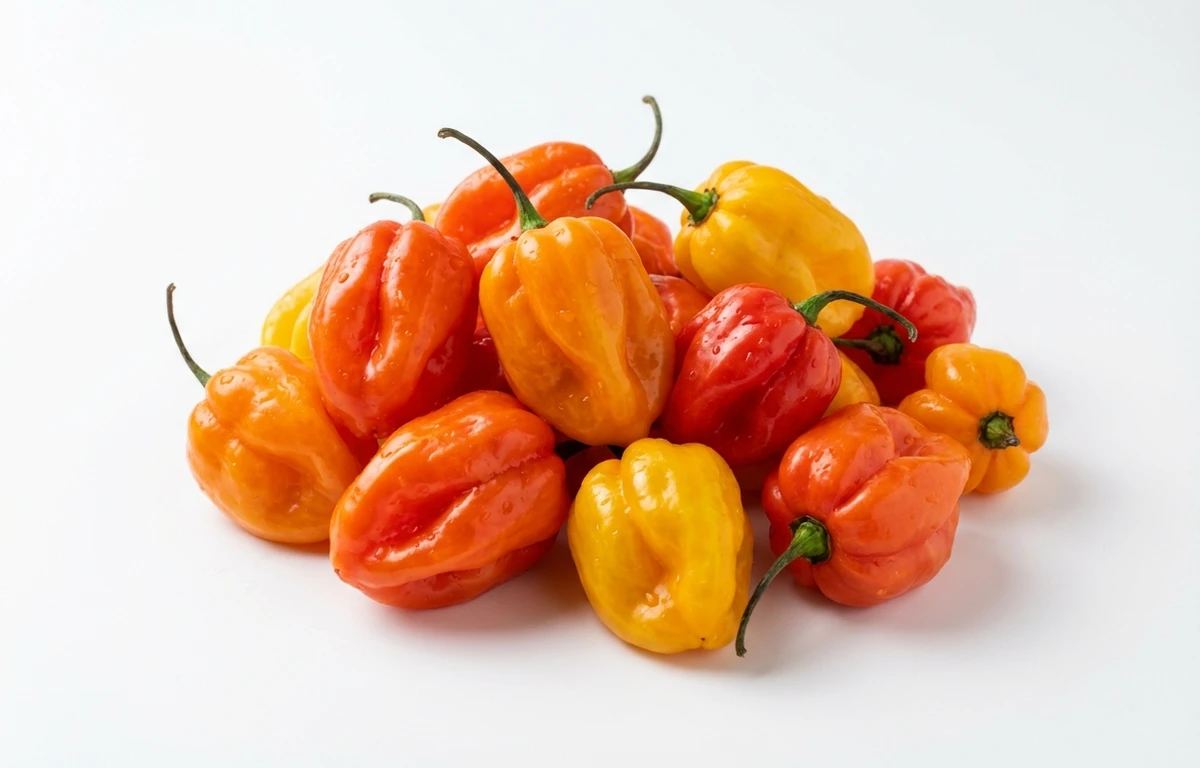
habanero peppers.
VegetarianVeganGluten-freeDairy-freeNut-freePeanut-freeSoy-freeEgg-freeShellfish-freeHoney-freeAlcohol-free
ALSO KNOWN AS
habanero chiliHabanero Pepperhabaneros
SERVING
CALORIES
40
PROTEIN
1.9g
CARBS
8.8g
FAT
0.40g
FIBER
3.1g
NUTRITION PROFILE · per 100 g
Everything in this ingredient.
MACRONUTRIENTS
Calories40kcal—
Protein1.9g4%
Carbohydrates8.8g3%
Fiber3.1g11%
Sugar5.1g10%
Total fat0.40g1%
Saturated fat0.06g0%
Cholesterol0mg0%
Water87.9g—
MINERALS
Sodium9.0mg0%
Potassium340mg7%
Calcium18mg1%
Iron1.2mg7%
Magnesium23mg5%
Phosphorus43mg3%
Zinc0.25mg2%
Copper0.12mg13%
Manganese0.19mg8%
Selenium0.40µg1%
VITAMINS
Vitamin A143µg16%
Vitamin C109mg121%
Vitamin D0µg0%
Vitamin E0.69mg5%
Vitamin K14.1µg12%
Thiamin (B1)0.09mg8%
Riboflavin (B2)0.09mg7%
Niacin (B3)1.0mg6%
Pantothenic acid (B5)0.32mg6%
Vitamin B60.30mg18%
Folate (B9)53µg13%
Vitamin B120µg0%
%DV based on a 2,000 cal diet. Source: USDA FoodData Central. A dash in the %DV column means there’s no established Daily Value for that nutrient.
MEASUREMENT CONVERSIONS
How much is what.
1 cup130g
1 tablespoon8g
1 teaspoon2.7g
1 ml0.5g
1 liter533.3g
1 piece18g
HEALTH BENEFITS
Why eat it.
- ✓Rich in capsaicin, a compound that may boost metabolism and has anti-inflammatory properties.
- ✓Excellent source of Vitamin C, which supports immune function and skin health.
- ✓Contains Vitamin A, important for vision health and immune response.
- ✓May help reduce blood pressure and cholesterol due to capsaicin's effects on blood vessels.
COOKING TIPS
In the kitchen.
- 1Always wear gloves when handling habaneros to prevent the capsaicin oil from burning your skin, and avoid touching your eyes or face.
- 2To control the heat level, remove the white pith and seeds, which contain the highest concentration of capsaicin.
- 3The fruity, citrus-like flavor of habaneros pairs exceptionally well with tropical fruits like mango, pineapple, and citrus in salsas, marinades, and hot sauces.
- 4Roasting or grilling habaneros before use can mellow their intense heat and add a smoky depth to their flavor.
STORAGE
Keep it fresh.
- Store fresh, unwashed habaneros in the crisper drawer of your refrigerator for up to 2-3 weeks.
- For long-term storage, chop and freeze them in an airtight container or freezer bag for up to a year.
- Habaneros can be dried in a dehydrator or low-temperature oven, then stored whole or ground into a powder in a cool, dark place.
FAQ
Frequently asked questions.
Are habanero peppers good for you?
Yes, habanero peppers are very healthy. They are rich in Vitamin C and A, supporting immune function, vision, and skin health. Their capsaicin content offers anti-inflammatory benefits and may help boost metabolism.
What are the nutritional benefits of habanero peppers?
Per 100g, habanero peppers contain approximately 40 calories, 1.87g protein, 8.81g carbs, and 0.4g fat. Beyond these macros, they are an excellent source of Vitamin C and A, and contain capsaicin, which has various health-promoting properties like potentially reducing blood pressure and cholesterol.
Can habanero peppers aid in weight loss?
Habanero peppers may indirectly support weight loss due to their capsaicin content. Capsaicin is known to slightly boost metabolism and increase thermogenesis, potentially helping the body burn more calories. However, they are not a magic bullet and should be part of a balanced diet.
Are habanero peppers suitable for vegan or gluten-free diets?
Yes, habanero peppers are naturally vegan and gluten-free. They are a plant-based vegetable and contain no animal products or gluten-containing grains, making them suitable for these dietary restrictions.
Are habanero peppers keto-friendly?
Yes, habanero peppers can be included in a keto diet in moderation. With approximately 8.81g of carbs per 100g, they are relatively low in net carbs, especially when used in small quantities for flavoring.
How should I prepare and cook with habanero peppers?
Habanero peppers can be used fresh, dried, or powdered. They are excellent in salsas, hot sauces, marinades, and infused oils. Due to their intense heat, they are often finely minced or added whole to dishes for flavor, then removed before serving.
What do habanero peppers taste like, besides being hot?
Beyond their intense heat, habanero peppers have a distinct fruity and floral flavor profile. They often carry notes of apricot, citrus, or tropical fruits, which makes them popular for adding complex flavor to dishes, especially in Caribbean and Mexican cuisine.
How should I store fresh habanero peppers?
Store fresh habanero peppers in a paper bag or loosely wrapped in a plastic bag in the refrigerator's crisper drawer. They can last for 2-3 weeks when stored properly. For longer storage, they can also be frozen whole or chopped.
How hot are habanero peppers compared to other chilies?
Habanero peppers are considered very hot, typically ranging from 100,000 to 350,000 Scoville Heat Units (SHU). This makes them significantly hotter than jalapeños (2,500-8,000 SHU) but generally milder than super-hot peppers like ghost peppers or Carolina Reapers.
What precautions should I take when handling habanero peppers?
Always wear gloves when handling habanero peppers to protect your skin from capsaicin, which can cause severe burning. Avoid touching your face, especially your eyes, nose, and mouth, after handling. Wash hands thoroughly with soap and water afterwards.
RECIPES
Cook with habanero peppers.
2 recipes · sorted by what’s quick