Vegetable
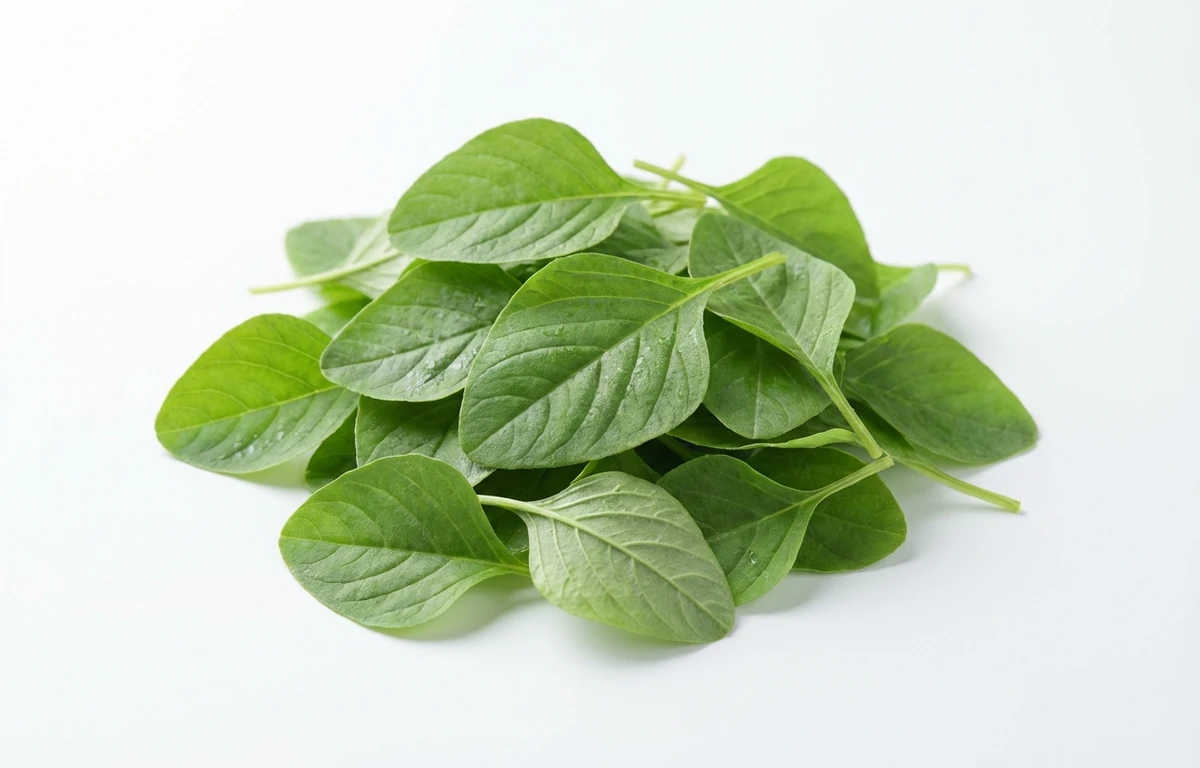
green amaranth leaves.
VegetarianVeganGluten-freeDairy-freeNut-freePeanut-freeSoy-freeEgg-freeShellfish-freeHoney-freeAlcohol-freeHalalKosher
SERVING
CALORIES
31
PROTEIN
3.3g
CARBS
2.3g
FAT
0.65g
FIBER
4.4g
NUTRITION PROFILE · per 100 g
Everything in this ingredient.
MACRONUTRIENTS
Calories30.6kcal—
Protein3.3g7%
Carbohydrates2.3g1%
Fiber4.4g16%
Sugar0.32g1%
Total fat0.65g1%
Saturated fat0.19g1%
Trans fat0g—
Cholesterol0mg0%
Water86.8g—
MINERALS
Sodium16.1mg1%
Potassium572mg12%
Calcium330mg25%
Iron4.6mg26%
Magnesium194mg46%
Phosphorus73.2mg6%
Zinc0.86mg8%
Copper0.21mg23%
Manganese1.2mg54%
Selenium21µg38%
VITAMINS
Vitamin A8553µg950%
Vitamin C83.5mg93%
Vitamin D16µg80%
Vitamin E0.44mg3%
Vitamin K280µg233%
Thiamin (B1)0.01mg1%
Riboflavin (B2)0.19mg15%
Niacin (B3)0.71mg4%
Pantothenic acid (B5)0.41mg8%
Vitamin B60.21mg12%
Biotin (B7)2.5µg8%
Folate (B9)70.3µg18%
%DV based on a 2,000 cal diet. Source: USDA FoodData Central. A dash in the %DV column means there’s no established Daily Value for that nutrient.
MEASUREMENT CONVERSIONS
How much is what.
1 cup30g
1 tablespoon1.9g
1 teaspoon0.6g
1 oz28.4g
1 lb453.6g
1 ml0.1g
1 liter127g
HEALTH BENEFITS
Why eat it.
- ✓Extremely rich in Vitamin K, crucial for blood clotting and bone health.
- ✓Excellent source of Vitamin A and Vitamin C, supporting immune function and vision.
- ✓High in essential minerals like iron for blood production, calcium for bones, and potassium for heart health.
- ✓Contains antioxidants like polyphenols that help protect cells from damage.
- ✓Good source of dietary fiber, which aids in digestion and promotes gut health.
COOKING TIPS
In the kitchen.
- 1Wash leaves thoroughly in multiple changes of water to remove any grit or dirt before cooking.
- 2Cooks very quickly, similar to spinach. Sauté with garlic and oil, steam, or add to soups and stews in the last few minutes of cooking.
- 3The tender stems are also edible; they can be chopped and cooked along with the leaves, though they may require a minute or two longer.
- 4Pairs well with bold flavors such as ginger, chili, coconut milk, and spices like cumin and turmeric, making it ideal for curries and stir-fries.
STORAGE
Keep it fresh.
- Wrap unwashed leaves loosely in a damp paper towel and store in a plastic bag in the refrigerator's crisper drawer for 2-4 days.
- For longer storage, blanch the leaves for 2 minutes, cool in an ice bath, drain thoroughly, and freeze in an airtight container for up to 6 months.
FAQ
Frequently asked questions.
Is green amaranth healthy?
Yes, green amaranth leaves are exceptionally healthy. They are packed with vitamins A, C, and K, essential minerals like iron, calcium, and potassium, and beneficial antioxidants. Their high fiber content also supports digestive health and overall well-being.
What are the nutritional benefits of green amaranth leaves?
Per 100g, green amaranth leaves contain only 30.59 calories, 3.29g protein, 2.28g carbs, and 0.65g fat. They are an excellent source of Vitamin K for blood clotting, Vitamin A for vision, and Vitamin C for immunity. They also provide significant iron, calcium, and potassium.
Is green amaranth good for weight loss?
Yes, green amaranth leaves can be beneficial for weight loss. They are very low in calories (30.59 per 100g) and fat, while being rich in fiber and protein. This combination helps promote satiety, reduce overall calorie intake, and support a healthy metabolism.
Is green amaranth vegan and gluten-free?
Yes, green amaranth leaves are naturally vegan as they are a plant-based vegetable. They are also inherently gluten-free, making them suitable for individuals with celiac disease or gluten sensitivity.
Can diabetics eat green amaranth leaves?
Yes, green amaranth leaves are a good choice for diabetics. They are low in carbohydrates (2.28g per 100g) and high in fiber, which helps regulate blood sugar levels. Their rich nutrient profile also supports overall health for individuals managing diabetes.
How do you cook green amaranth leaves?
Green amaranth leaves can be cooked similarly to spinach or other leafy greens. They can be sautéed, steamed, stir-fried, or added to soups and stews. Wash them thoroughly, then chop and cook until tender, usually within a few minutes.
What do green amaranth leaves taste like?
Green amaranth leaves have a mild, slightly earthy, and somewhat nutty flavor. When cooked, they become tender and can have a subtle spinach-like taste, often described as less bitter than some other dark leafy greens.
How do you store green amaranth leaves?
Store fresh green amaranth leaves unwashed in a plastic bag in the refrigerator's crisper drawer. They typically stay fresh for 3-5 days. For longer storage, you can blanch and freeze them.
How do you know if green amaranth leaves are fresh?
Look for vibrant green leaves that are crisp and firm, not wilted or yellowed. Avoid bunches with slimy spots, holes, or signs of decay. Fresh amaranth leaves should have a healthy, robust appearance.
Can I eat green amaranth leaves raw?
While technically edible raw, it's generally recommended to cook green amaranth leaves. Cooking helps reduce the oxalic acid content, which can interfere with mineral absorption, and makes the leaves easier to digest. They are best enjoyed cooked in various dishes.