Vegetable1 recipes
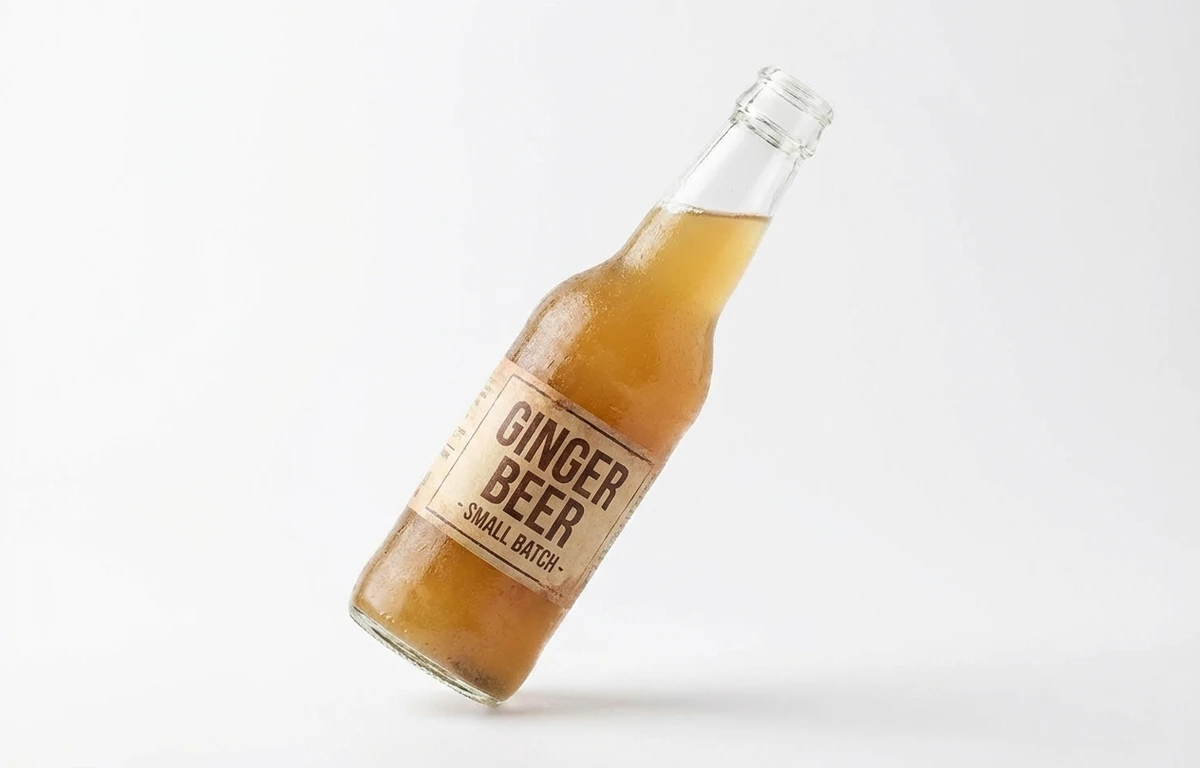
ginger beer.
VegetarianVeganGluten-freeDairy-freeNut-freePeanut-freeSoy-freeEgg-freeShellfish-freeHoney-freeAlcohol-freeFermented
SERVING
CALORIES
40
PROTEIN
0g
CARBS
10g
FAT
0g
FIBER
0g
NUTRITION PROFILE · per 100 g
Everything in this ingredient.
MACRONUTRIENTS
Calories40kcal—
Protein0g0%
Carbohydrates10g4%
Fiber0g0%
Sugar9.5g19%
Total fat0g0%
Saturated fat0g0%
Cholesterol0mg0%
Water90g—
MINERALS
Sodium5.0mg0%
Potassium2.0mg0%
Calcium1.0mg0%
Iron0.02mg0%
Magnesium1.0mg0%
Phosphorus1.0mg0%
Zinc0mg0%
Copper0mg0%
Manganese0mg0%
Selenium0µg0%
VITAMINS
Vitamin E0mg0%
Vitamin K0µg0%
Thiamin (B1)0mg0%
Riboflavin (B2)0mg0%
Niacin (B3)0mg0%
Pantothenic acid (B5)0mg0%
Vitamin B60mg0%
Folate (B9)0µg0%
Vitamin B120µg0%
%DV based on a 2,000 cal diet. Source: USDA FoodData Central. A dash in the %DV column means there’s no established Daily Value for that nutrient.
MEASUREMENT CONVERSIONS
How much is what.
1 cup240g
1 tablespoon15g
1 teaspoon5g
1 oz30g
1 lb480g
1 ml1g
1 liter1000g
HEALTH BENEFITS
Why eat it.
- ✓May alleviate nausea and motion sickness due to the presence of gingerol from ginger.
- ✓Possesses anti-inflammatory properties from ginger, which can help reduce muscle soreness and joint pain.
- ✓Can aid in digestion and help soothe an upset stomach, though high sugar content in many brands should be considered.
COOKING TIPS
In the kitchen.
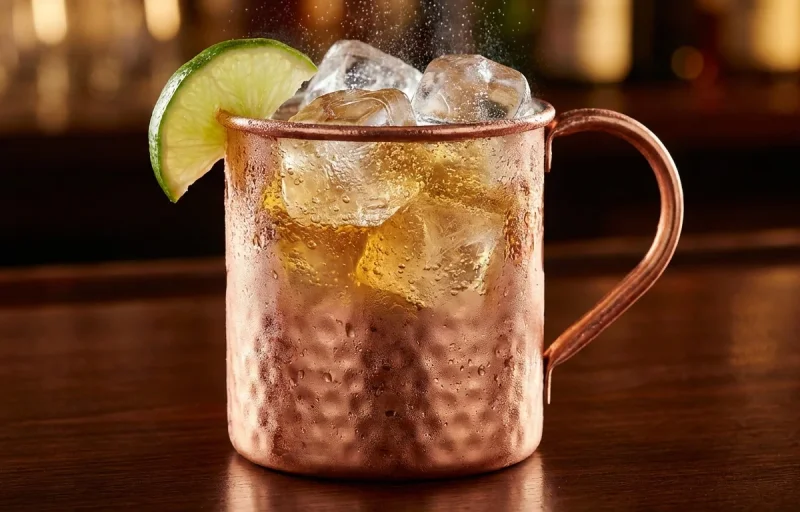
- 1Use as a key mixer for cocktails like the Moscow Mule (with vodka) or a Dark 'n' Stormy (with dark rum).
- 2Incorporate into marinades for pork, chicken, or beef to add a sweet, spicy flavor and help tenderize the meat.
- 3Use as a braising liquid for pulled pork or short ribs to create a deep, complex, and zesty flavor profile.
- 4Reduce it on the stovetop to create a spicy glaze for roasted vegetables, salmon, or ham.
STORAGE
Keep it fresh.
- Store unopened bottles in a cool, dark place like a pantry or cellar, away from direct sunlight.
- Once opened, reseal tightly, refrigerate, and consume within 3-5 days to maintain carbonation and freshness.
FAQ
Frequently asked questions.
Is ginger beer healthy?
Ginger beer contains ginger, which offers benefits like aiding digestion, reducing nausea, and anti-inflammatory properties. However, most commercial ginger beers are high in sugar and calories, so they should be consumed in moderation as a treat rather than a health drink. Look for lower-sugar options if concerned about sugar intake.
How many calories and carbs are in ginger beer?
Per 100g, ginger beer typically contains about 40 calories and 10g of carbohydrates, primarily from sugar. It has no protein or fat. These values can vary slightly between brands, so checking the specific product's nutrition label is always recommended.
Can ginger beer help with an upset stomach or nausea?
Yes, the ginger content in ginger beer can be effective in alleviating nausea, motion sickness, and soothing an upset stomach. Gingerol, the active compound in ginger, is known for its digestive benefits. However, the high sugar content in many brands might counteract some of these benefits for sensitive stomachs.
Is ginger beer vegan?
Most ginger beers are vegan, as they are typically made from water, ginger, sugar, and yeast. However, it's always best to check the ingredient list for specific brands, as some might use clarifying agents or other additives that are not vegan-friendly.
Is ginger beer gluten-free?
Yes, traditional ginger beer is naturally gluten-free, as its main ingredients (ginger, sugar, water, yeast) do not contain gluten. However, cross-contamination during manufacturing or specific flavorings could introduce gluten, so always verify with the product's label if you have a severe gluten sensitivity.
Is ginger beer keto-friendly or low-carb?
No, traditional ginger beer is generally not keto-friendly or low-carb due to its high sugar content. With approximately 10g of carbohydrates per 100g, a standard serving can quickly exceed daily carb limits for a ketogenic diet. Some brands offer 'diet' or 'zero sugar' versions that are suitable for low-carb diets.
What does ginger beer taste like?
Ginger beer has a strong, spicy, and pungent ginger flavor, often with a noticeable kick, much more intense than ginger ale. It's typically sweet, carbonated, and can have citrusy undertones, offering a refreshing and bold taste experience.
How is ginger beer used in cocktails or cooking?
Ginger beer is a popular mixer in cocktails, most famously in the Moscow Mule and Dark 'n' Stormy, where its spicy notes complement spirits like vodka or rum. It can also be used in marinades for meats, glazes, or even in some dessert recipes to add a unique zesty and spicy flavor.
How should ginger beer be stored?
Unopened ginger beer should be stored in a cool, dark place, like a pantry, away from direct sunlight. Once opened, it should be refrigerated and consumed within a few days to maintain its carbonation and flavor.
What's the difference between ginger beer and ginger ale?
The main difference lies in their ginger intensity and production. Ginger beer has a much stronger, spicier, and more pronounced ginger flavor, often with a cloudy appearance, and is traditionally brewed. Ginger ale is typically milder, clearer, and often made by carbonating water with ginger extract or flavoring.
RECIPES
Cook with ginger beer.
1 recipes · sorted by what’s quick