Vegetable1 recipes
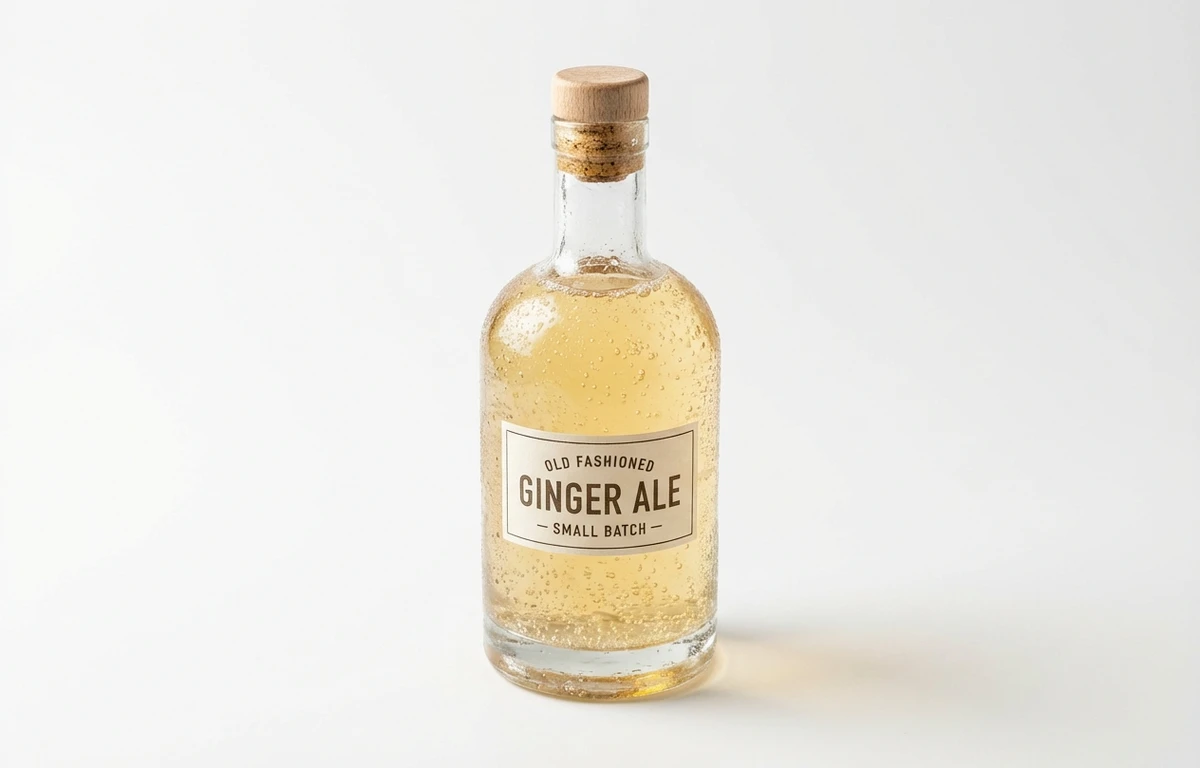
ginger ale.
VegetarianVeganGluten-freeDairy-freeNut-freePeanut-freeSoy-freeEgg-freeShellfish-freeHoney-freeAlcohol-free
ALSO KNOWN AS
ginger sodaginger pop
SERVING
CALORIES
34
PROTEIN
0g
CARBS
8.8g
FAT
0g
FIBER
0g
NUTRITION PROFILE · per 100 g
Everything in this ingredient.
MACRONUTRIENTS
Calories34kcal—
Protein0g0%
Carbohydrates8.8g3%
Fiber0g0%
Sugar8.8g18%
Total fat0g0%
Saturated fat0g0%
Trans fat0g—
Cholesterol0mg0%
Water91.2g—
MINERALS
Sodium7.0mg0%
Potassium1.0mg0%
Calcium3.0mg0%
Iron0.18mg1%
Magnesium1.0mg0%
Phosphorus0mg0%
Zinc0.05mg0%
Copper0.02mg2%
Manganese0.01mg0%
Selenium0.10µg0%
VITAMINS
Vitamin A0µg0%
Vitamin C0mg0%
Vitamin D0µg0%
Vitamin E0mg0%
Vitamin K0µg0%
Thiamin (B1)0mg0%
Riboflavin (B2)0mg0%
Niacin (B3)0mg0%
Pantothenic acid (B5)0mg0%
Vitamin B60mg0%
Folate (B9)0µg0%
Vitamin B120µg0%
%DV based on a 2,000 cal diet. Source: USDA FoodData Central. A dash in the %DV column means there’s no established Daily Value for that nutrient.
MEASUREMENT CONVERSIONS
How much is what.
1 cup240g
1 tablespoon15g
1 teaspoon5g
1 oz29.6g
1 lb473.1g
1 ml1g
1 liter1000g
HEALTH BENEFITS
Why eat it.
- ✓Can help soothe mild nausea and upset stomach, a traditional remedy often used for motion sickness or morning sickness.
- ✓Provides hydration due to its high water content, which can be beneficial during illness.
- ✓The carbonation may help to relieve indigestion and bloating for some individuals by encouraging burping.
COOKING TIPS
In the kitchen.
- 1Use as a base for marinades for pork or chicken; its sugar content helps create a caramelized glaze and the acidity can tenderize the meat.
- 2Incorporate into baking recipes for cakes or quick breads to add moisture, a subtle ginger spice, and a bit of leavening from the carbonation.
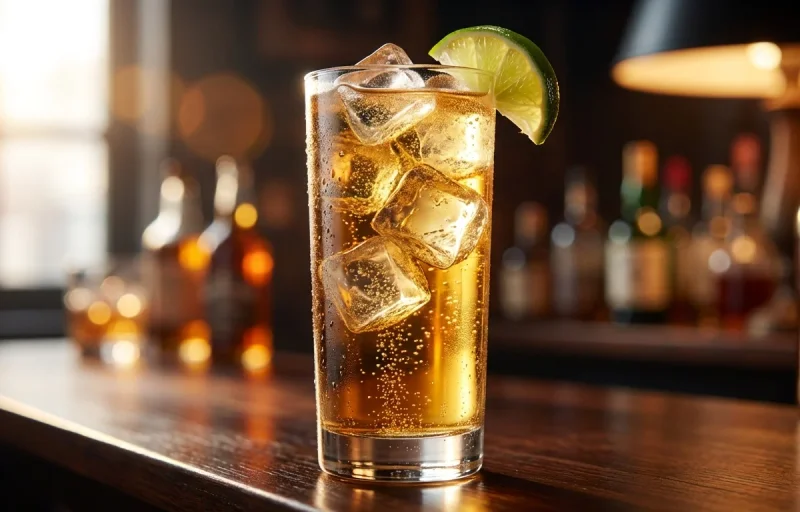
- 3Serve as a classic mixer for cocktails like the Moscow Mule (with vodka) or Presbyterian (with scotch or bourbon), and in non-alcoholic mocktails.
- 4Can be used as a poaching liquid for fruits like pears or apples, infusing them with a sweet, gingery flavor.
STORAGE
Keep it fresh.
- Store unopened cans or bottles in a cool, dark place like a pantry, away from direct sunlight and heat sources to preserve carbonation.
- Once opened, refrigerate with the cap tightly sealed and consume within 3-5 days for best flavor and fizz.
FAQ
Frequently asked questions.
Is ginger ale healthy?
While ginger ale is often used to soothe an upset stomach, it's primarily a sugary beverage. It provides hydration and some relief for nausea, but standard versions are high in sugar and offer minimal nutritional value beyond carbohydrates. Opt for low-sugar or diet versions if consuming regularly.
How much sugar and calories are in ginger ale?
Per 100g, standard ginger ale contains approximately 34 calories and 8.76g of carbohydrates, almost all of which come from sugar. A typical 355ml (12oz) can would therefore have around 120 calories and over 30g of sugar.
Is ginger ale good for an upset stomach or nausea?
Yes, ginger ale is a traditional remedy often used to help soothe mild nausea, motion sickness, or an upset stomach. The ginger extract can have anti-nausea properties, and the carbonation may help relieve indigestion and bloating for some individuals. It also helps with hydration during illness.
Is ginger ale vegan?
Most commercial ginger ales are vegan, as their primary ingredients are carbonated water, sugar, natural flavors (including ginger extract), and sometimes caramel color. However, it's always best to check the ingredient list for specific brands, as some obscure ingredients could potentially be animal-derived.
Is ginger ale gluten-free?
Yes, standard ginger ale is naturally gluten-free. Its ingredients typically do not include wheat, barley, rye, or other gluten-containing grains. This makes it a safe beverage choice for individuals with celiac disease or gluten sensitivity.
Can diabetics drink ginger ale?
Standard ginger ale is high in sugar and carbohydrates, which can significantly impact blood sugar levels. Diabetics should generally avoid regular ginger ale or consume it in very small amounts. Diet or sugar-free ginger ale options, sweetened with artificial sweeteners, are a more suitable alternative.
What does ginger ale taste like?
Ginger ale has a sweet, slightly spicy, and refreshing taste with a distinct ginger flavor. It's carbonated, giving it a fizzy texture. The ginger notes can range from mild and sweet in commercial brands to more pronounced and fiery in artisanal or 'dry' ginger ales.
Can ginger ale be used in cooking or cocktails?
Absolutely! Ginger ale is a popular mixer in cocktails, often paired with spirits like whiskey, vodka, or rum to create refreshing drinks. It can also be used in cooking to add a sweet and gingery fizz to marinades, glazes for meats, or even in some dessert recipes like ginger ale floats or cakes.
How do you store ginger ale?
Unopened ginger ale should be stored in a cool, dry place away from direct sunlight, such as a pantry. Once opened, it should be refrigerated to maintain its carbonation and freshness. Ensure the cap is tightly sealed to prevent it from going flat quickly.
How long does ginger ale last?
Unopened ginger ale typically has a shelf life of 6-9 months past the printed 'best by' date, though its quality might slowly diminish. Once opened, it's best consumed within 3-5 days when refrigerated, as it will gradually lose its carbonation and flavor.
RECIPES
Cook with ginger ale.
1 recipes · sorted by what’s quick