Fruit
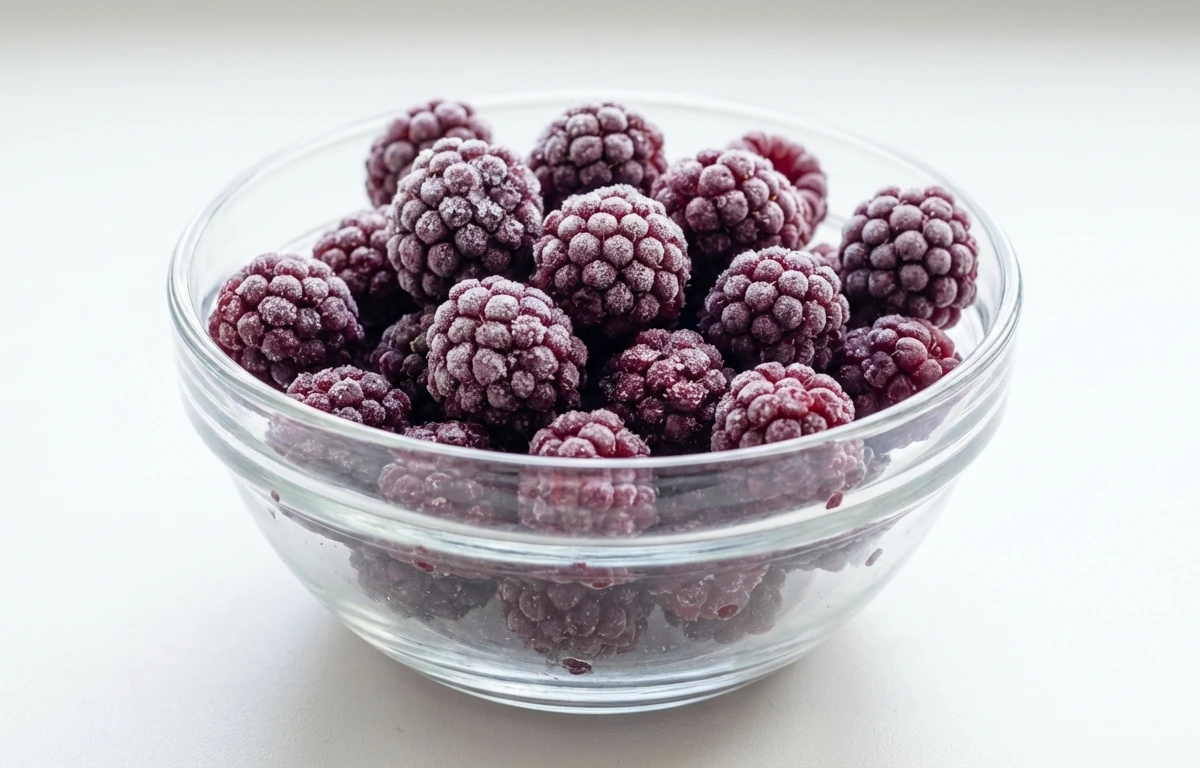
frozen unsweetened boysenberries.
VegetarianVeganGluten-freeDairy-freeNut-freePeanut-freeSoy-freeEgg-freeShellfish-freeHoney-freeAlcohol-free
ALSO KNOWN AS
boysenberries
SERVING
CALORIES
50
PROTEIN
1.1g
CARBS
12.2g
FAT
0.26g
FIBER
5.3g
NUTRITION PROFILE · per 100 g
Everything in this ingredient.
MACRONUTRIENTS
Calories50kcal—
Protein1.1g2%
Carbohydrates12.2g4%
Fiber5.3g19%
Sugar6.9g14%
Total fat0.26g0%
Saturated fat0.01g0%
Trans fat0g—
Cholesterol0mg0%
Water85.9g—
MINERALS
Sodium1.0mg0%
Potassium139mg3%
Calcium27mg2%
Iron0.85mg5%
Magnesium16mg4%
Phosphorus27mg2%
Zinc0.22mg2%
Copper0.08mg9%
Manganese0.55mg24%
Selenium0.20µg0%
VITAMINS
Vitamin A3.0µg0%
Vitamin C3.1mg3%
Vitamin D0µg0%
Vitamin E0.87mg6%
Vitamin K7.8µg7%
Thiamin (B1)0.05mg4%
Riboflavin (B2)0.04mg3%
Niacin (B3)0.77mg5%
Pantothenic acid (B5)0.25mg5%
Vitamin B60.06mg4%
Folate (B9)63µg16%
Vitamin B120µg0%
%DV based on a 2,000 cal diet. Source: USDA FoodData Central. A dash in the %DV column means there’s no established Daily Value for that nutrient.
MEASUREMENT CONVERSIONS
How much is what.
1 cup132g
1 tablespoon8.3g
1 teaspoon2.8g
1 ml0.6g
1 liter550g
HEALTH BENEFITS
Why eat it.
- ✓Rich in antioxidants, particularly anthocyanins, which help combat oxidative stress and inflammation.
- ✓High in dietary fiber, promoting digestive health, regular bowel movements, and blood sugar control.
- ✓Excellent source of Vitamin C, which supports immune function and collagen production for healthy skin.
- ✓Provides a good amount of Vitamin K, essential for blood clotting and bone health.
COOKING TIPS
In the kitchen.
- 1For smoothies, add the boysenberries directly from the freezer to create a thick, frosty texture without needing ice.
- 2When baking in pies, muffins, or cobblers, toss the frozen berries with a tablespoon of flour or cornstarch to prevent the filling or batter from becoming too watery.
- 3Create a simple sauce or compote by simmering frozen boysenberries with a sweetener of choice and a squeeze of lemon juice until they break down and thicken. This is excellent over yogurt, pancakes, or ice cream.
- 4To use in recipes that call for fresh berries, thaw them first in the refrigerator to minimize texture loss. Drain any excess liquid before using, which can be reserved for sauces or drinks.
STORAGE
Keep it fresh.
- Store in the original packaging or an airtight container in the freezer at 0°F (-18°C) or below for up to 10-12 months.
- Once thawed, keep the boysenberries in a covered container in the refrigerator and use within 2-3 days. Do not refreeze.
FAQ
Frequently asked questions.
Is frozen unsweetened boysenberries healthy?
Yes, frozen unsweetened boysenberries are very healthy. They are rich in antioxidants like anthocyanins, high in dietary fiber for digestive health, and an excellent source of Vitamin C for immunity and Vitamin K for bone health. Being unsweetened, they offer all these benefits without added sugars.
What are the nutritional benefits of frozen unsweetened boysenberries?
Per 100g, boysenberries contain approximately 50 calories, 1.1g protein, 12.19g carbohydrates, and 0.26g fat. They are particularly rich in dietary fiber, antioxidants, Vitamin C, and Vitamin K, contributing to overall health, immune function, and digestive well-being.
Are boysenberries good for weight loss?
Yes, boysenberries can be beneficial for weight loss. They are low in calories (50 calories per 100g) and high in dietary fiber, which helps promote satiety and can reduce overall calorie intake. Their natural sweetness also makes them a satisfying, healthy alternative to sugary snacks.
Are frozen unsweetened boysenberries suitable for a vegan or gluten-free diet?
Yes, absolutely. Frozen unsweetened boysenberries are naturally vegan as they are a plant-based fruit, and they are also naturally gluten-free. They are a great addition to various dietary needs without concerns about animal products or gluten.
Can diabetics eat frozen unsweetened boysenberries?
Yes, diabetics can generally enjoy frozen unsweetened boysenberries in moderation. Their high fiber content helps to slow sugar absorption, preventing sharp blood sugar spikes. However, it's always best for individuals with diabetes to monitor their intake and consult with a healthcare professional.
How do you use frozen unsweetened boysenberries in cooking?
Frozen unsweetened boysenberries are versatile. They can be added directly to smoothies, oatmeal, or yogurt. For baking, they are excellent in pies, crumbles, muffins, or tarts. They can also be simmered into sauces, jams, or compotes for desserts or savory dishes.
Do I need to thaw frozen boysenberries before using them?
It depends on the recipe. For smoothies, you can use them directly from frozen. For baking, sauces, or toppings, it's often best to thaw them first to prevent excess moisture in your dish, though some recipes might call for them frozen. Thawing can be done in the refrigerator or at room temperature.
What do frozen unsweetened boysenberries taste like?
Boysenberries have a unique, complex flavor profile that is a delightful blend of raspberry, blackberry, and loganberry. They are sweet with a pleasant tartness, offering a rich, juicy, and slightly earthy taste. Being unsweetened, their natural flavor truly shines through.
How long do frozen unsweetened boysenberries last in the freezer?
When stored properly in an airtight bag or container, frozen unsweetened boysenberries can last for 8-12 months in the freezer while maintaining their quality. Beyond this period, they are generally still safe to eat but may experience a decline in texture and flavor.
Are frozen unsweetened boysenberries keto-friendly?
While boysenberries are lower in carbs than some fruits, 100g contains about 12.19g of carbohydrates. For strict keto diets, this might be too high for a significant portion. They can be consumed in very small quantities, but other berries like raspberries or blackberries are generally preferred for their lower net carb count.