Fruit3 recipes
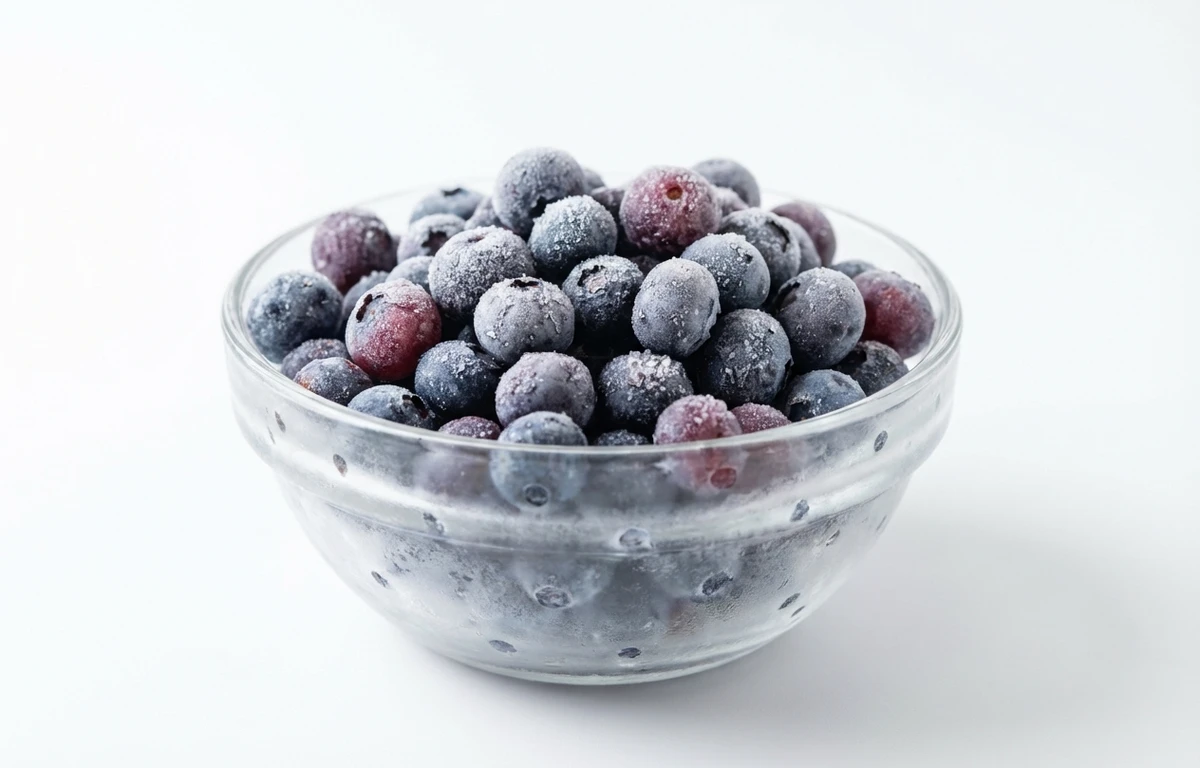
frozen unsweetened blueberry.
VegetarianVeganGluten-freeDairy-freeNut-freePeanut-freeSoy-freeEgg-freeShellfish-freeHoney-freeAlcohol-free
ALSO KNOWN AS
blueberry
SERVING
CALORIES
51
PROTEIN
0.42g
CARBS
12.2g
FAT
0.64g
FIBER
2.7g
NUTRITION PROFILE · per 100 g
Everything in this ingredient.
MACRONUTRIENTS
Calories51kcal—
Protein0.42g1%
Carbohydrates12.2g4%
Fiber2.7g10%
Sugar8.4g17%
Total fat0.64g1%
Saturated fat0.05g0%
Trans fat0g—
Cholesterol0mg0%
Water86.6g—
MINERALS
Sodium1.0mg0%
Potassium54mg1%
Calcium8.0mg1%
Iron0.18mg1%
Magnesium5.0mg1%
Phosphorus11mg1%
Zinc0.07mg1%
Copper0.03mg3%
Manganese0.15mg7%
Selenium0.10µg0%
VITAMINS
Vitamin A2.0µg0%
Vitamin C2.5mg3%
Vitamin D0µg0%
Vitamin E0.48mg3%
Vitamin K16.4µg14%
Thiamin (B1)0.03mg3%
Riboflavin (B2)0.04mg3%
Niacin (B3)0.52mg3%
Pantothenic acid (B5)0.13mg3%
Vitamin B60.06mg4%
Folate (B9)7.0µg2%
Vitamin B120µg0%
%DV based on a 2,000 cal diet. Source: USDA FoodData Central. A dash in the %DV column means there’s no established Daily Value for that nutrient.
MEASUREMENT CONVERSIONS
How much is what.
1 cup155g
1 tablespoon9.7g
1 teaspoon3.2g
1 ml0.6g
1 liter645.8g
HEALTH BENEFITS
Why eat it.
- ✓Rich in antioxidants, particularly anthocyanins, which help protect cells from damage by free radicals.
- ✓High in fiber, which aids in digestion, promotes satiety, and helps regulate blood sugar levels.
- ✓Supports brain health and may improve memory and cognitive function due to high flavonoid content.
- ✓Excellent source of essential nutrients like Vitamin C, Vitamin K, and manganese.
COOKING TIPS
In the kitchen.
- 1Use directly from the freezer in smoothies for a thick, icy texture without needing to add ice.
- 2When baking, toss frozen blueberries in a tablespoon of flour before adding to batter to prevent them from sinking and bleeding color.
- 3Create a simple sauce or compote by simmering frozen blueberries with a small amount of water and sweetener until they break down.
- 4Thaw in the refrigerator for several hours or rinse under cool water for a few minutes; avoid microwaving as it can cook them unevenly and make them soft.
STORAGE
Keep it fresh.
- Keep frozen at 0°F (-18°C) or colder in an airtight, moisture-proof bag or container to prevent freezer burn.
- For best quality, use within 10-12 months of purchase, though they can be stored safely for longer.
- Avoid refreezing after they have been thawed, as this will result in a mushy texture and loss of flavor.
FAQ
Frequently asked questions.
Is frozen unsweetened blueberry healthy? What are its main health benefits?
Yes, frozen unsweetened blueberries are very healthy. They are packed with antioxidants, particularly anthocyanins, which help protect cells from damage. They are also high in fiber, aiding digestion and promoting satiety, and support brain health. Additionally, they are an excellent source of Vitamin C, Vitamin K, and manganese.
How many calories and carbs are in frozen unsweetened blueberries?
Per 100g, frozen unsweetened blueberries contain approximately 51 calories and 12.17g of carbohydrates. They are naturally low in fat, with only about 0.64g, and provide 0.42g of protein per 100g.
Are frozen unsweetened blueberries good for weight loss?
Yes, they can be beneficial for weight loss. They are low in calories and high in fiber, which helps you feel full and satisfied, potentially reducing overall calorie intake. Their natural sweetness can also help curb sugar cravings without added sugars.
Are frozen unsweetened blueberries suitable for diabetics?
Yes, in moderation, frozen unsweetened blueberries can be suitable for diabetics. Their fiber content helps regulate blood sugar levels, and they have a relatively low glycemic index compared to some other fruits. Always monitor portion sizes and consult with a healthcare professional.
Are frozen unsweetened blueberries keto-friendly?
Due to their carbohydrate content (around 12g per 100g), frozen unsweetened blueberries are generally not considered strictly keto-friendly in large quantities. Small portions might fit into a 'lazy keto' or low-carb diet, but they can quickly add up.
What are the best ways to use frozen unsweetened blueberries in cooking?
Frozen unsweetened blueberries are incredibly versatile. They are excellent additions to smoothies, oatmeal, yogurt, and baked goods like muffins, pancakes, or pies. You can also use them to make sauces, jams, or compotes.
Do I need to thaw frozen blueberries before adding them to recipes?
It depends on the recipe. For smoothies, yogurt, or oatmeal, you can use them directly from frozen. For baked goods, thawing them slightly and tossing them with a bit of flour can prevent them from sinking to the bottom and bleeding too much color.
How long can frozen unsweetened blueberries be stored in the freezer?
When stored properly in an airtight container or original packaging, frozen unsweetened blueberries can last for 8-12 months in the freezer while maintaining optimal quality. They will remain safe to eat beyond that, but their texture and flavor may gradually decline.
Are frozen blueberries as nutritious as fresh blueberries?
Yes, frozen blueberries are generally just as nutritious as fresh ones, and sometimes even more so. They are typically flash-frozen at their peak ripeness, which helps to lock in their vitamins, minerals, and beneficial antioxidants.
Are frozen unsweetened blueberries gluten-free and vegan?
Yes, frozen unsweetened blueberries are naturally gluten-free and vegan. As a whole fruit product with no added ingredients, they are suitable for individuals following these dietary preferences.
RECIPES
Cook with frozen unsweetened blueberry.
3 recipes · sorted by what’s quick