Vegetable
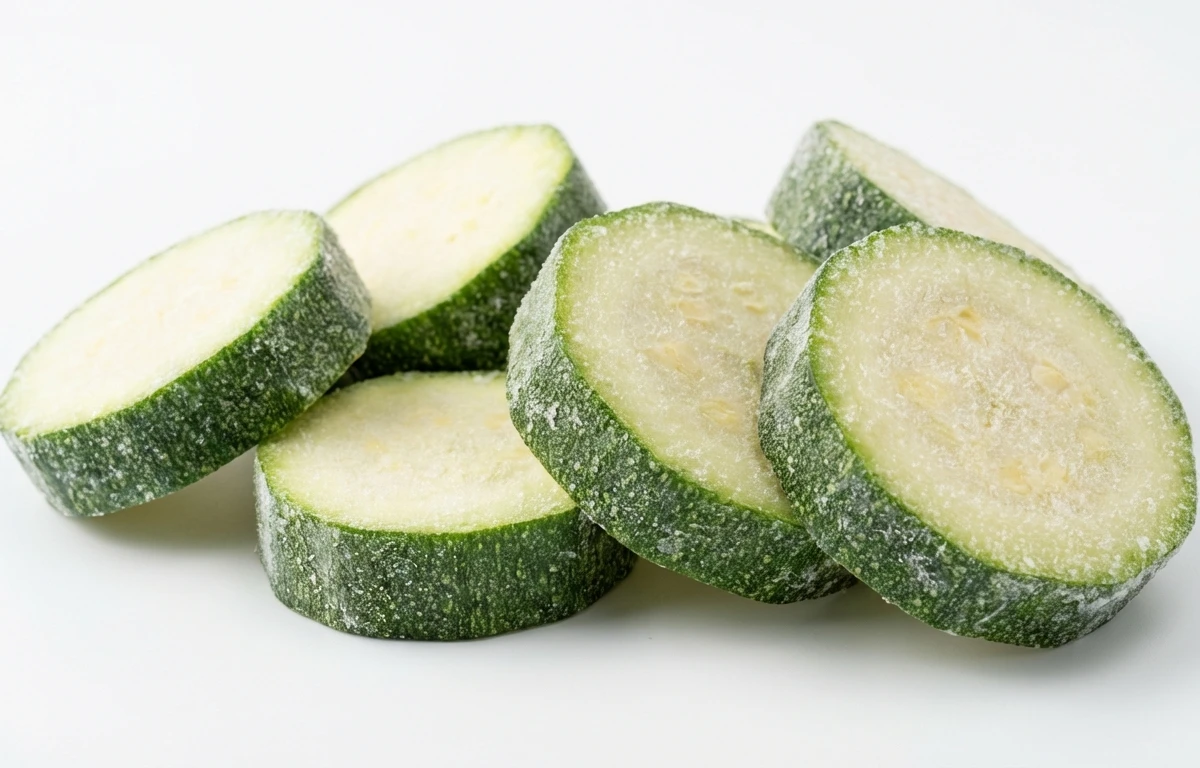
frozen unprepared zucchini.
VegetarianVeganGluten-freeDairy-freeNut-freePeanut-freeSoy-freeEgg-freeShellfish-freeHoney-freeAlcohol-free
SERVING
CALORIES
17
PROTEIN
1.2g
CARBS
3.6g
FAT
0.13g
FIBER
1.3g
NUTRITION PROFILE · per 100 g
Everything in this ingredient.
MACRONUTRIENTS
Calories17kcal—
Protein1.2g2%
Carbohydrates3.6g1%
Fiber1.3g5%
Sugar1.7g3%
Total fat0.13g0%
Saturated fat0.03g0%
Trans fat0g—
Cholesterol0mg0%
Water94.7g—
MINERALS
Sodium2.0mg0%
Potassium218mg5%
Calcium18mg1%
Iron0.51mg3%
Magnesium13mg3%
Phosphorus28mg2%
Zinc0.21mg2%
Copper0.05mg6%
Manganese0.24mg10%
Selenium0.20µg0%
VITAMINS
Vitamin A10µg1%
Vitamin C5.3mg6%
Vitamin D0µg0%
Vitamin E0.12mg1%
Vitamin K4.2µg4%
Thiamin (B1)0.05mg4%
Riboflavin (B2)0.04mg3%
Niacin (B3)0.43mg3%
Pantothenic acid (B5)0.30mg6%
Vitamin B60.05mg3%
Folate (B9)10µg3%
Vitamin B120µg0%
%DV based on a 2,000 cal diet. Source: USDA FoodData Central. A dash in the %DV column means there’s no established Daily Value for that nutrient.
MEASUREMENT CONVERSIONS
How much is what.
1 cup120g
1 tablespoon7.5g
1 teaspoon2.5g
1 oz28.4g
1 lb453.6g
1 ml0.5g
1 liter507.2g
HEALTH BENEFITS
Why eat it.
- ✓Rich in antioxidants, including lutein and zeaxanthin, which support eye health.
- ✓High in water and fiber, which aids digestion and promotes a feeling of fullness.
- ✓A good source of vitamins C and A, essential for immune function and skin health.
- ✓Low in calories and carbohydrates, making it suitable for weight management and low-carb diets.
COOKING TIPS
In the kitchen.
- 1For most recipes like soups, stews, or sautés, cook directly from frozen to prevent a mushy texture.
- 2Frozen zucchini releases significant water when cooked; drain excess liquid or account for it in recipes like casseroles and sauces.
- 3The softer texture of thawed zucchini is ideal for puréed soups, smoothies, or being shredded and incorporated into baked goods like zucchini bread.
- 4To roast, toss frozen zucchini with oil and seasonings and cook at a high temperature (400-425°F / 200-220°C) to help evaporate moisture quickly and achieve some browning.
STORAGE
Keep it fresh.
- Store in the freezer at or below 0°F (-18°C) in an airtight, freezer-safe bag to prevent freezer burn.
- For best quality, use within 8 to 12 months. Do not refreeze once fully thawed.
FAQ
Frequently asked questions.
Is frozen zucchini healthy?
Yes, frozen zucchini is very healthy. It retains most of its nutritional value, including being rich in antioxidants like lutein and zeaxanthin, high in water and fiber for digestion, and a good source of vitamins C and A for immune and skin health. It's also low in calories and carbohydrates.
What are the nutritional values of frozen zucchini?
Per 100g, frozen zucchini contains approximately 17 calories, 1.16g of protein, 3.58g of carbohydrates, and 0.13g of fat. It is also high in water content and dietary fiber, contributing to its low-calorie density.
Is frozen zucchini good for weight loss?
Yes, frozen zucchini is excellent for weight loss. Its very low-calorie count, high water content, and significant fiber contribute to a feeling of fullness, helping to reduce overall calorie intake. It's a nutrient-dense vegetable that can be incorporated into many diet plans.
Is frozen zucchini suitable for a keto or low-carb diet?
Yes, frozen zucchini is highly suitable for keto and low-carb diets. With only 3.58g of carbohydrates per 100g, it's a versatile vegetable that can be used as a pasta substitute or added to various low-carb dishes without significantly impacting carb counts.
Is frozen zucchini vegan and gluten-free?
Yes, as a natural vegetable, frozen zucchini is inherently vegan and gluten-free. It contains no animal products or gluten-containing ingredients, making it suitable for individuals following these dietary restrictions.
How should I cook frozen zucchini?
It's best to cook frozen zucchini without thawing completely to prevent it from becoming too watery. Add it directly to soups, stews, stir-fries, or casseroles. For roasting, you can spread it on a baking sheet and roast at a high temperature to help evaporate excess moisture.
What is the texture of cooked frozen zucchini like compared to fresh?
Cooked frozen zucchini tends to be softer and more watery than fresh zucchini due to the ice crystal formation during freezing and thawing. It's best used in dishes where a very firm texture isn't crucial, such as purees, sauces, or baked goods.
Can I eat frozen zucchini raw?
While technically safe, eating frozen zucchini raw is not recommended. Once thawed, its texture becomes very soft and mushy, which is generally unappealing for raw consumption. It's best cooked to integrate into dishes.
How long can frozen zucchini be stored?
Properly stored in a freezer at 0°F (-18°C), frozen zucchini can maintain its quality for 8 to 12 months. Beyond this period, it remains safe to eat but may experience a decline in texture and flavor.
Does freezing zucchini affect its nutritional value?
Freezing generally preserves most of zucchini's nutritional content, including vitamins, minerals, and fiber. While there might be a minor loss of some water-soluble vitamins during the blanching process (if done before freezing) or thawing, it remains a highly nutritious option.