Grain3 recipes
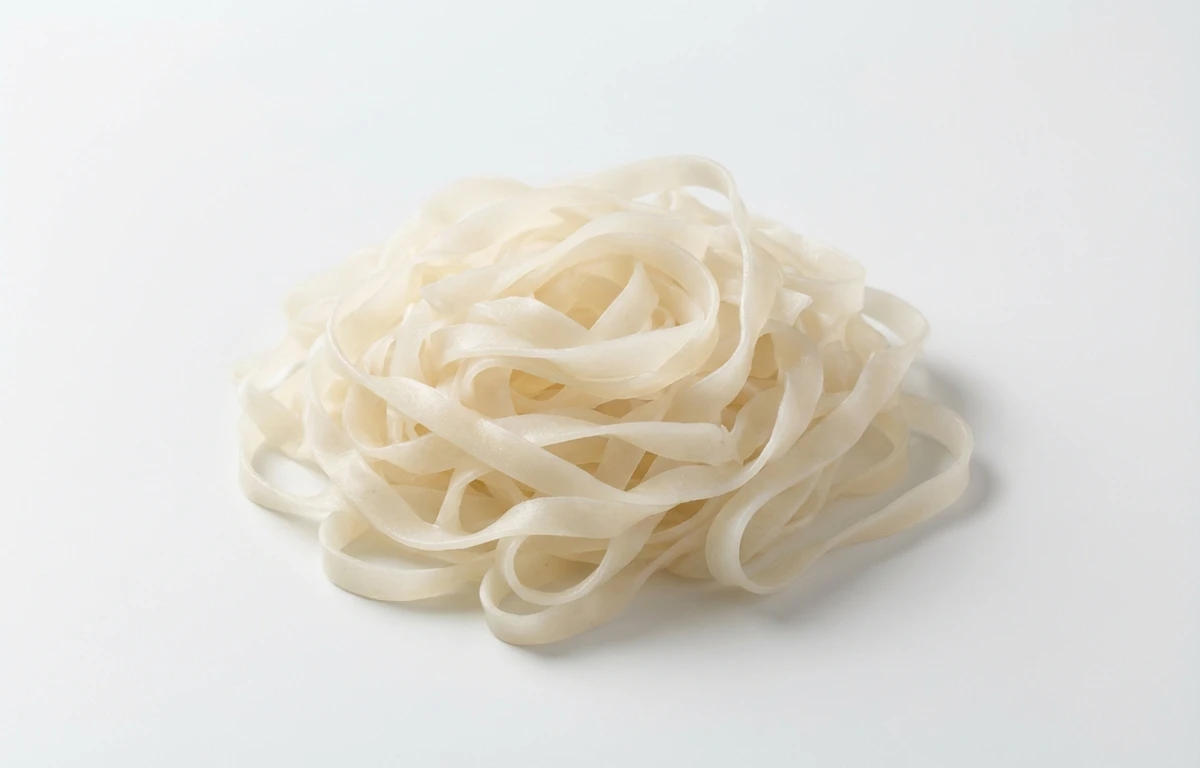
fresh wide rice noodles.
VegetarianVeganGluten-freeDairy-freeNut-freePeanut-freeSoy-freeEgg-freeShellfish-freeHoney-freeAlcohol-free
ALSO KNOWN AS
chow funflat rice noodleswide rice noodlesho funsen yairice sticks
SERVING
CALORIES
145
PROTEIN
2.7g
CARBS
32.7g
FAT
0.30g
FIBER
0.80g
NUTRITION PROFILE · per 100 g
Everything in this ingredient.
MACRONUTRIENTS
Calories145kcal—
Protein2.7g5%
Carbohydrates32.7g12%
Fiber0.80g3%
Sugar0.10g0%
Total fat0.30g0%
Saturated fat0.07g0%
Cholesterol0mg0%
Water63.5g—
MINERALS
Sodium1.0mg0%
Potassium10mg0%
Calcium3.0mg0%
Iron0.10mg1%
Magnesium6.0mg1%
Phosphorus25mg2%
Zinc0.10mg1%
Copper0.03mg3%
Manganese0.08mg3%
Selenium0.80µg1%
VITAMINS
Vitamin A0µg0%
Vitamin C0mg0%
Vitamin D0µg0%
Vitamin E0.01mg0%
Vitamin K0.10µg0%
Thiamin (B1)0.01mg1%
Riboflavin (B2)0.01mg1%
Niacin (B3)0.20mg1%
Pantothenic acid (B5)0.07mg1%
Vitamin B60.01mg1%
Folate (B9)2.0µg1%
Vitamin B120µg0%
%DV based on a 2,000 cal diet. Source: USDA FoodData Central. A dash in the %DV column means there’s no established Daily Value for that nutrient.
MEASUREMENT CONVERSIONS
How much is what.
1 cup175g
1 tablespoon10.9g
1 teaspoon3.6g
1 oz28.4g
1 lb453.6g
1 ml0.7g
1 liter729.2g
HEALTH BENEFITS
Why eat it.
- ✓Naturally gluten-free, making them a suitable carbohydrate for individuals with celiac disease or gluten sensitivity.
- ✓Low in fat and cholesterol, contributing to a heart-healthy diet when incorporated into balanced meals.
- ✓Provides a quick and easily digestible source of energy from carbohydrates.
- ✓Often made with minimal ingredients (rice flour, water, salt), making them a simple and clean food choice.
COOKING TIPS
In the kitchen.
- 1Gently separate the noodle strands by hand before cooking. If they are stiff from refrigeration, briefly microwave for 20-30 seconds or rinse under warm water to make them pliable.
- 2For stir-fries like Pad See Ew or Drunken Noodles, blanch the noodles in boiling water for only 30-60 seconds, then drain immediately. This prevents them from overcooking and turning mushy in the wok.
- 3When using in soups like Pho, place the fresh noodles directly into the serving bowl and pour the hot broth over them; they will cook perfectly in the residual heat.
- 4Handle gently when stir-frying to avoid breaking the wide strands. Use a wide spatula to fold ingredients over the noodles rather than stirring vigorously.
STORAGE
Keep it fresh.
- Refrigerate fresh noodles immediately in an airtight container or their original packaging and use within 3-4 days for best texture.
- Do not freeze fresh rice noodles, as the freezing process destroys their delicate texture, causing them to become brittle and fall apart when thawed.
FAQ
Frequently asked questions.
Are fresh wide rice noodles healthy?
Yes, fresh wide rice noodles can be a healthy part of a balanced diet. They are naturally gluten-free, low in fat and cholesterol, and provide a quick source of energy from carbohydrates. They are often made with minimal ingredients, making them a simple and clean food choice.
How many calories and carbs are in fresh wide rice noodles?
Per 100g, fresh wide rice noodles contain approximately 145 calories and 32.7g of carbohydrates. They also offer a small amount of protein (2.7g) and are very low in fat (0.3g).
Are fresh wide rice noodles good for weight loss?
While low in fat and a good energy source, rice noodles are primarily carbohydrates. For weight loss, portion control is key, and pairing them with plenty of vegetables and lean protein can create a more satisfying and balanced meal.
Are fresh wide rice noodles gluten-free?
Yes, fresh wide rice noodles are naturally gluten-free as they are made from rice flour and water. This makes them an excellent carbohydrate option for individuals with celiac disease or gluten sensitivity.
Are fresh wide rice noodles vegan?
Yes, fresh wide rice noodles are typically vegan. Their primary ingredients are rice flour, water, and sometimes a pinch of salt, all of which are plant-based. Always check the ingredient list for specific brands to be sure.
Can diabetics eat fresh wide rice noodles?
Diabetics can eat fresh wide rice noodles in moderation, but should be mindful of their carbohydrate content. As a high-carb food, they can impact blood sugar levels. Pairing them with protein and fiber-rich vegetables can help manage the glycemic response.
How do you cook fresh wide rice noodles?
Fresh wide rice noodles usually require very little cooking. They are often briefly blanched in hot water for 30-60 seconds until pliable, then drained and rinsed to prevent sticking. They can then be stir-fried or added to soups.
What do fresh wide rice noodles taste like and what are they used for?
Fresh wide rice noodles have a mild, neutral flavor, allowing them to absorb the flavors of sauces and ingredients they are cooked with. They have a soft, chewy, and slightly slippery texture. They are commonly used in dishes like Pad See Ew, Drunken Noodles (Pad Kee Mao), and various stir-fries or noodle soups.
How do you store fresh wide rice noodles?
Fresh wide rice noodles should be stored in the refrigerator in their original sealed packaging. Once opened, store them in an airtight container or sealed bag and consume within 2-3 days for best quality.
How do you know if fresh wide rice noodles are fresh or spoiled?
Fresh noodles should be soft, pliable, and have a neutral smell. If they appear discolored, feel slimy or sticky, or have a sour or off odor, they have likely spoiled and should be discarded.
RECIPES
Cook with fresh wide rice noodles.
3 recipes · sorted by what’s quick