Spice1 recipes
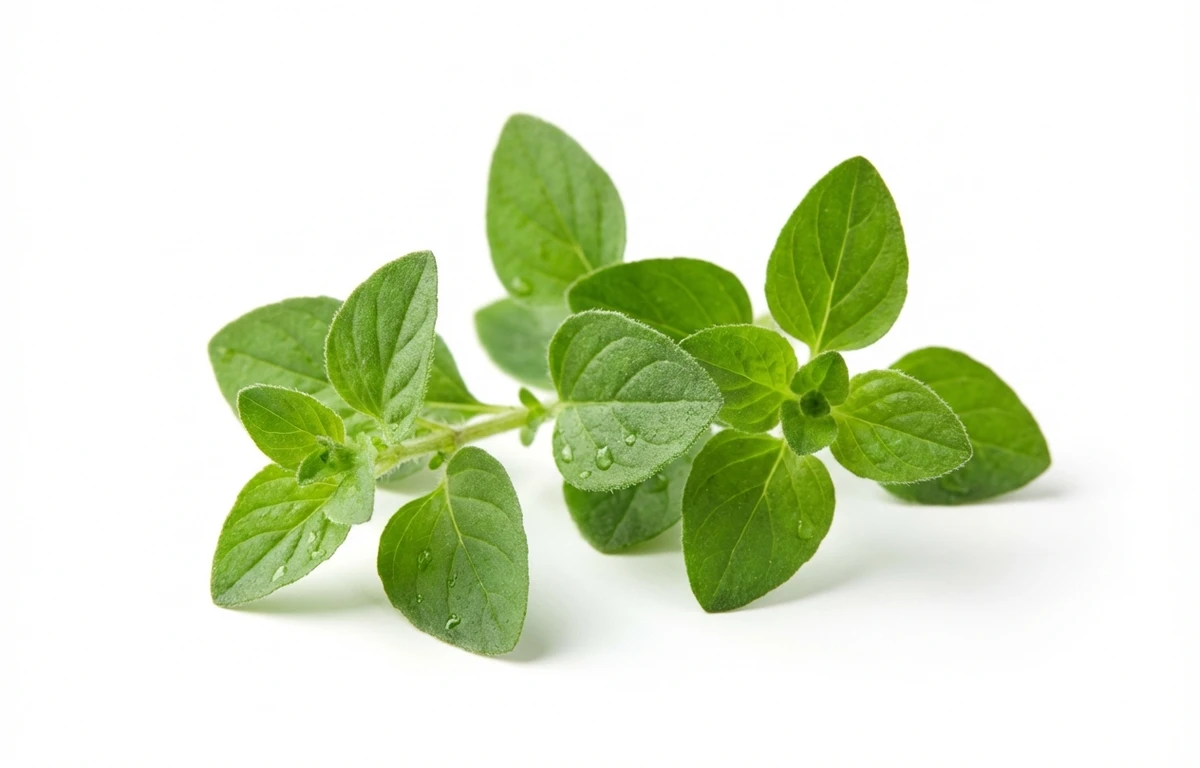
fresh oregano.
VegetarianVeganGluten-freeDairy-freeNut-freePeanut-freeSoy-freeEgg-freeShellfish-freeHoney-freeAlcohol-freeHalalKosher
ALSO KNOWN AS
wild marjoram
SERVING
CALORIES
45
PROTEIN
3.3g
CARBS
6.9g
FAT
0.43g
FIBER
6.9g
NUTRITION PROFILE · per 100 g
Everything in this ingredient.
MACRONUTRIENTS
Calories44.8kcal—
Protein3.3g7%
Carbohydrates6.9g3%
Fiber6.9g25%
Sugar0.40g1%
Total fat0.43g1%
Saturated fat0.12g1%
Trans fat0g—
Cholesterol0mg0%
Water88.7g—
MINERALS
Sodium9.0mg0%
Potassium429mg9%
Calcium150mg12%
Iron4.4mg24%
Magnesium27mg6%
Phosphorus60mg5%
Zinc0.44mg4%
Copper0.14mg16%
Manganese0.50mg22%
Selenium4.6µg8%
VITAMINS
Vitamin A269µg30%
Vitamin C5.0mg6%
Vitamin D0µg0%
Vitamin E1.8mg12%
Vitamin K622µg518%
Thiamin (B1)0.05mg4%
Riboflavin (B2)0.32mg25%
Niacin (B3)0.40mg3%
Pantothenic acid (B5)0.40mg8%
Vitamin B60.10mg6%
Folate (B9)23µg6%
Vitamin B120µg0%
%DV based on a 2,000 cal diet. Source: USDA FoodData Central. A dash in the %DV column means there’s no established Daily Value for that nutrient.
MEASUREMENT CONVERSIONS
How much is what.
1 cup16g
1 tablespoon3g
1 teaspoon1g
1 ml0.2g
1 liter200g
HEALTH BENEFITS
Why eat it.
- ✓Rich in antioxidants, particularly carvacrol and thymol, which help neutralize free radicals.
- ✓Contains potent antibacterial and antiviral compounds that may help fight infections.
- ✓Excellent source of Vitamin K, which is crucial for blood clotting and bone health.
- ✓May possess anti-inflammatory properties that can help reduce chronic inflammation.
- ✓Good source of dietary fiber, contributing to digestive health.
COOKING TIPS
In the kitchen.
- 1Add fresh oregano leaves near the end of the cooking process to preserve their pungent, peppery flavor, as prolonged heat can diminish it.
- 2Use about one tablespoon of fresh oregano for every one teaspoon of dried oregano called for in a recipe.
- 3Strip the leaves from the tough, woody stems before use; the stems are generally discarded.
- 4Pairs exceptionally well with Mediterranean cuisine, including tomato-based sauces, grilled meats, roasted vegetables, and lemon-based marinades.
- 5Chop finely and add to salads, omelets, or as a garnish for pizzas and pasta dishes.
STORAGE
Keep it fresh.
- Wrap the stems in a damp paper towel, place inside a plastic bag, and store in the refrigerator's crisper drawer for up to one week.
- For longer storage, place the stems in a jar with about an inch of water, cover loosely with a plastic bag, and refrigerate. Change the water every 1-2 days.
- Freeze chopped oregano leaves in ice cube trays with a small amount of water or olive oil for use in soups and sauces.
FAQ
Frequently asked questions.
Is fresh oregano healthy?
Yes, fresh oregano is very healthy. It's packed with antioxidants like carvacrol and thymol, which help neutralize free radicals, and contains potent antibacterial and antiviral compounds. It's also an excellent source of Vitamin K, crucial for blood clotting and bone health.
What are the nutritional benefits of fresh oregano?
Fresh oregano is low in calories (around 30 kcal per 100g) and fat, while providing some protein (3.33g per 100g) and dietary fiber. Its primary health benefits stem from its high concentration of antioxidants and Vitamin K, which support overall well-being.
Is fresh oregano good for weight loss?
Fresh oregano can be a beneficial addition to a weight loss diet. It's very low in calories and fat, and its strong flavor can enhance meals without adding extra calories from unhealthy fats or sugars. It also provides some fiber, which aids satiety.
Is fresh oregano vegan and gluten-free?
Yes, fresh oregano is naturally vegan as it is a plant-based herb. It is also inherently gluten-free, making it a safe and suitable ingredient for individuals following vegan or gluten-free diets.
Is fresh oregano keto-friendly?
Yes, fresh oregano is keto-friendly. While it contains some carbohydrates (6.9g per 100g), a typical serving size is very small, contributing negligible net carbs to a meal. It adds flavor without significantly impacting ketosis.
How do you use fresh oregano in cooking?
Fresh oregano is versatile and commonly used in Mediterranean and Mexican cuisines. It's excellent in tomato-based sauces, on pizzas, in marinades for meats and vegetables, and sprinkled over salads or roasted potatoes. Add it towards the end of cooking to preserve its vibrant flavor.
What does fresh oregano taste like?
Fresh oregano has a pungent, earthy, and slightly bitter taste with notes of mint and pepper. It's more vibrant and less intense than dried oregano, offering a fresh, herbaceous aroma that complements savory dishes.
How do you store fresh oregano?
To store fresh oregano, gently wash and pat it dry. Wrap the stems in a damp paper towel, then place it in a plastic bag or an airtight container in the refrigerator. Alternatively, you can place the stems in a glass of water like a bouquet, cover loosely with a plastic bag, and refrigerate.
How do you know if fresh oregano is fresh or spoiled?
Fresh oregano should have vibrant green leaves and a strong, aromatic scent. If the leaves are yellowing, wilting, slimy, or show any signs of mold, it is spoiled and should be discarded. A significant loss of its characteristic aroma also indicates it's past its prime.
Can you eat fresh oregano raw?
Yes, fresh oregano can be eaten raw. Its robust flavor makes it a great addition to salads, salsas, or as a garnish for dishes like bruschetta or grilled meats. Eating it raw helps preserve its delicate oils and vibrant taste.
RECIPES
Cook with fresh oregano.
1 recipes · sorted by what’s quick