Vegetable
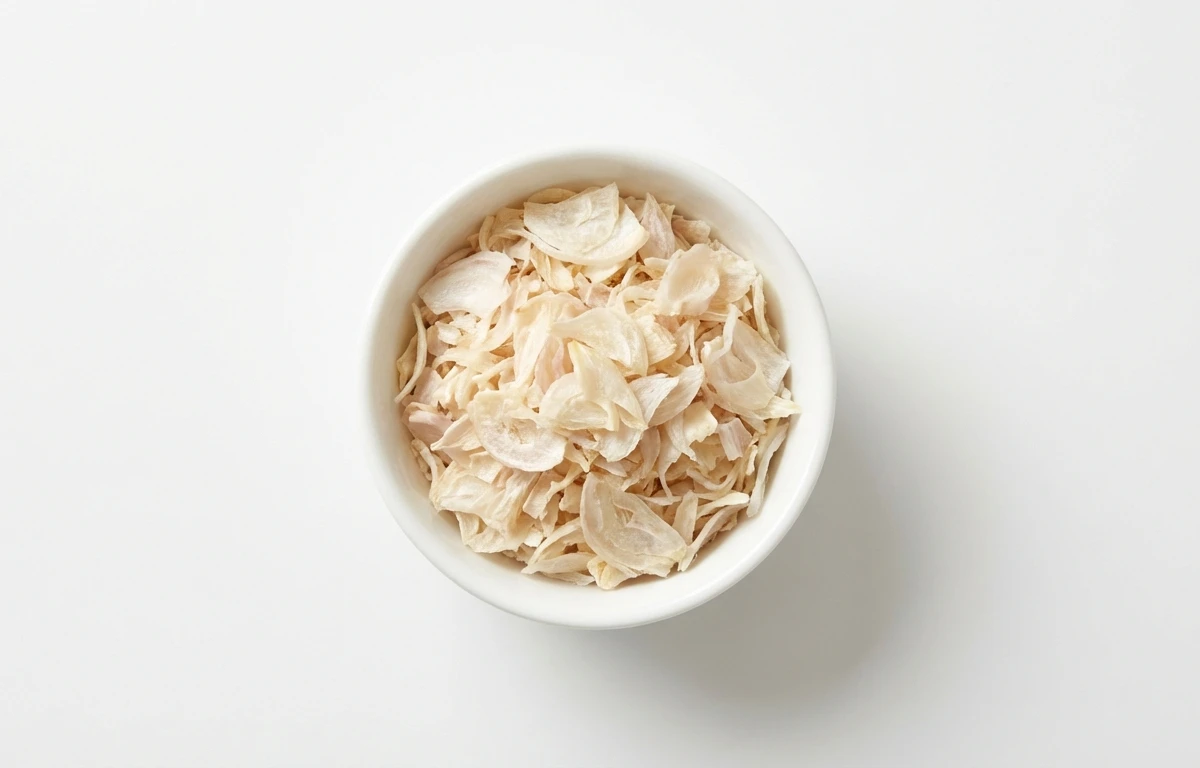
freeze-dried shallot.
VegetarianVeganGluten-freeDairy-freeNut-freePeanut-freeSoy-freeEgg-freeShellfish-freeHoney-freeAlcohol-free
SERVING
CALORIES
360
PROTEIN
11.2g
CARBS
82.5g
FAT
0.80g
FIBER
8.6g
NUTRITION PROFILE · per 100 g
Everything in this ingredient.
MACRONUTRIENTS
Calories360kcal—
Protein11.2g22%
Carbohydrates82.5g30%
Fiber8.6g31%
Sugar38.4g77%
Total fat0.80g1%
Saturated fat0.15g1%
Trans fat0g—
Cholesterol0mg0%
Water3.0g—
MINERALS
Sodium60mg3%
Potassium1650mg35%
Calcium185mg14%
Iron6.2mg34%
Magnesium105mg25%
Phosphorus290mg23%
Zinc2.1mg19%
Copper0.45mg50%
Manganese1.4mg63%
Selenium4.2µg8%
VITAMINS
Vitamin A5.0µg1%
Vitamin C42mg47%
Vitamin D0µg0%
Vitamin E0.12mg1%
Vitamin K4.1µg3%
Thiamin (B1)0.30mg25%
Riboflavin (B2)0.10mg8%
Niacin (B3)1.1mg7%
Pantothenic acid (B5)1.4mg29%
Vitamin B61.7mg101%
Folate (B9)170µg43%
Vitamin B120µg0%
%DV based on a 2,000 cal diet. Source: USDA FoodData Central. A dash in the %DV column means there’s no established Daily Value for that nutrient.
MEASUREMENT CONVERSIONS
How much is what.
1 cup24g
1 tablespoon1.5g
1 teaspoon0.5g
1 oz28.4g
1 lb453.6g
1 ml0.1g
1 liter100g
HEALTH BENEFITS
Why eat it.
- ✓Concentrated source of organosulfur compounds for heart health
- ✓High in antioxidants like quercetin and kaempferol
- ✓Supports immune system function with concentrated vitamins
- ✓Contains anti-inflammatory properties
- ✓Rich in potassium which helps regulate blood pressure
COOKING TIPS
In the kitchen.
- 1Add directly to liquid-based dishes like soups, stews, or sauces to rehydrate
- 2Mix with oil and vinegar for 10 minutes before serving to create a flavorful dressing
- 3Use as a dry garnish for a concentrated shallot flavor and slight crunch
STORAGE
Keep it fresh.
- Store in a strictly airtight container to prevent moisture re-absorption
- Keep in a cool, dark, and dry place away from direct sunlight
- Avoid storing near the stove or sink where humidity is high
FAQ
Frequently asked questions.
How long do freeze-dried shallots last?
When stored in an airtight container in a cool, dry place, they can last 12-18 months. Once opened, they should be used within 6 months for best flavor.
Can I freeze freeze-dried shallots?
It is not recommended. Freezing can introduce moisture when the container is opened, which will cause the shallots to become soft and lose their shelf life.
What is the best substitute for freeze-dried shallots?
Fresh shallots (use 1 tbsp fresh for every 1 tsp freeze-dried) or dried minced onions are the best alternatives.
Do I need to rehydrate them before cooking?
Not necessarily. If you are adding them to a moist dish like a sauce or soup, they will rehydrate during cooking. For dry dishes, soak them in a teaspoon of water for 2 minutes first.
Are freeze-dried shallots as healthy as fresh ones?
Yes, freeze-drying preserves most of the nutrients and antioxidants found in fresh shallots, though they are much more calorically dense by weight due to water removal.
How do I know if they have gone bad?
If they lose their vibrant color, develop a musty smell, or become soft/clumpy (indicating moisture ingress), they should be discarded.
Are they suitable for a low-FODMAP diet?
No, shallots (including freeze-dried) are high in fructans and are generally avoided on a strict low-FODMAP diet.
Can I use them in salads?
Yes, they work great as a crunchy topping or can be whisked into a vinaigrette where they will soften and release their flavor.