Grain
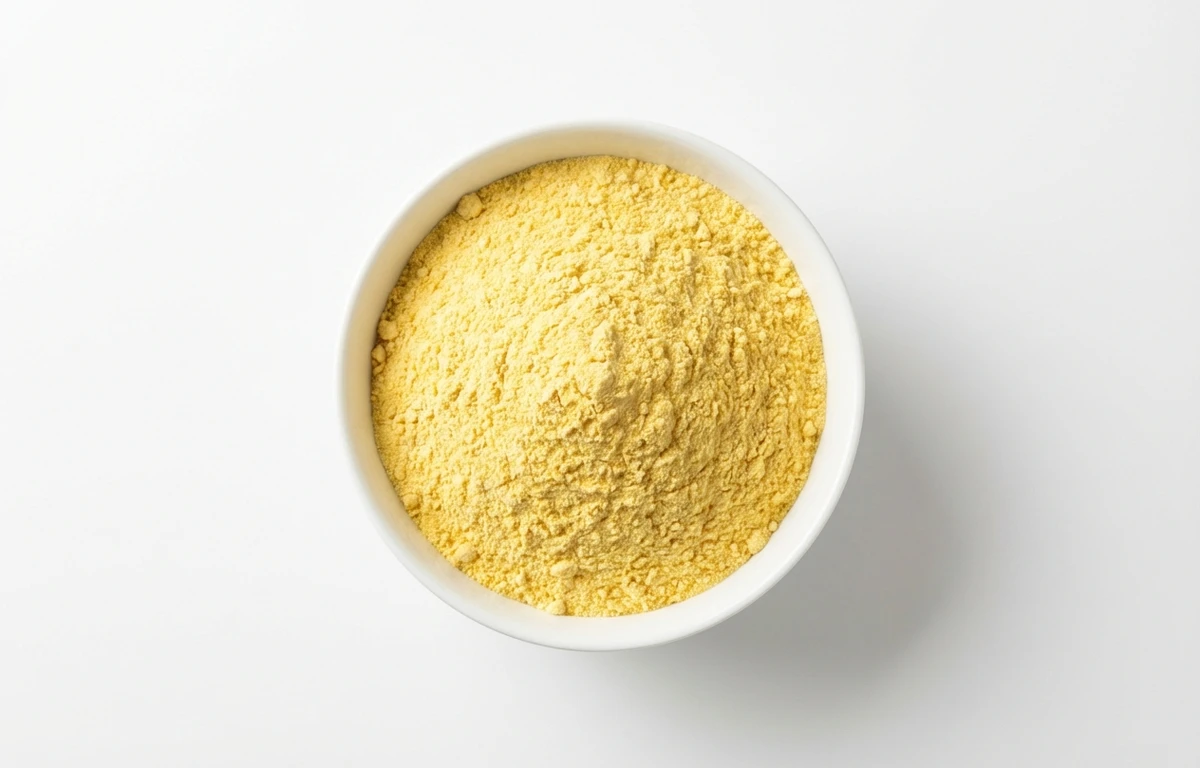
enriched yellow masa corn flour.
VegetarianVeganGluten-freeDairy-freeNut-freePeanut-freeSoy-freeEgg-freeShellfish-freeHoney-freeAlcohol-freeWhole grain
SERVING
CALORIES
365
PROTEIN
7.1g
CARBS
76.4g
FAT
3.9g
FIBER
7.3g
NUTRITION PROFILE · per 100 g
Everything in this ingredient.
MACRONUTRIENTS
Calories365kcal—
Protein7.1g14%
Carbohydrates76.4g28%
Fiber7.3g26%
Sugar1.5g3%
Total fat3.9g5%
Saturated fat0.50g3%
Trans fat0g—
Cholesterol0mg0%
Water10.2g—
MINERALS
Sodium5.0mg0%
Potassium270mg6%
Calcium160mg12%
Iron4.4mg24%
Magnesium93mg22%
Phosphorus272mg22%
Zinc1.7mg15%
Copper0.20mg22%
Manganese0.50mg22%
Selenium15.4µg28%
VITAMINS
Vitamin A11µg1%
Vitamin C0mg0%
Vitamin D0µg0%
Vitamin E0.40mg3%
Vitamin K0.30µg0%
Thiamin (B1)0.50mg42%
Riboflavin (B2)0.30mg23%
Niacin (B3)4.8mg30%
Pantothenic acid (B5)0.70mg14%
Vitamin B60.40mg24%
Folate (B9)154µg39%
Vitamin B120µg0%
%DV based on a 2,000 cal diet. Source: USDA FoodData Central. A dash in the %DV column means there’s no established Daily Value for that nutrient.
MEASUREMENT CONVERSIONS
How much is what.
1 cup114g
1 tablespoon7.1g
1 teaspoon2.4g
1 ml0.5g
1 liter475g
HEALTH BENEFITS
Why eat it.
- ✓Enriched with B vitamins like niacin, thiamin, and folic acid, which support energy metabolism and nervous system health.
- ✓The nixtamalization process makes niacin more bioavailable, helping to prevent pellagra, and can reduce mycotoxins present in corn.
- ✓Provides complex carbohydrates for sustained energy release.
- ✓Naturally gluten-free, making it a suitable alternative for individuals with celiac disease or gluten sensitivity (check for cross-contamination warnings).
COOKING TIPS
In the kitchen.
- 1When making dough (masa), use warm water and add it gradually, mixing until a soft, pliable consistency similar to Play-Doh is achieved.
- 2Allow prepared masa dough to rest, covered with a damp cloth, for 20-30 minutes before shaping to ensure the flour is fully hydrated.
- 3Use as a thickener for soups, stews, or chili by creating a slurry with cold water first to prevent lumps.
- 4The ideal ratio for making masa is typically 2 parts masa flour to 1.5 parts warm water, but adjust as needed based on humidity.
STORAGE
Keep it fresh.
- Store in an airtight container in a cool, dark, and dry place like a pantry for up to one year.
- For longer-term storage, place the airtight container in the freezer to prevent the natural oils from going rancid.
FAQ
Frequently asked questions.
Is enriched yellow masa corn flour healthy?
Yes, it offers several health benefits. It's enriched with B vitamins like niacin, thiamin, and folic acid, which are vital for energy metabolism and nervous system health. The nixtamalization process also makes niacin more bioavailable and can reduce mycotoxins.
What are the main nutritional benefits of enriched yellow masa corn flour?
Beyond providing complex carbohydrates for sustained energy, it's a good source of B vitamins due to enrichment. The nixtamalization process enhances the bioavailability of niacin, helping to prevent conditions like pellagra, and also contributes to better calcium absorption.
How many calories and carbs are in enriched yellow masa corn flour?
Per 100g, enriched yellow masa corn flour contains approximately 365 calories and 76.4g of carbohydrates. It also provides 7.1g of protein and 3.9g of fat, offering a good source of energy.
Is enriched yellow masa corn flour gluten-free?
Yes, masa corn flour is naturally gluten-free, making it a suitable option for individuals with celiac disease or gluten sensitivity. However, always check product labels for certification to ensure no cross-contamination occurred during processing.
Can diabetics eat enriched yellow masa corn flour?
Diabetics can consume enriched yellow masa corn flour in moderation as part of a balanced diet. It is high in carbohydrates, so portion control is important to manage blood sugar levels. Pairing it with protein and fiber can help mitigate its glycemic impact.
What is enriched yellow masa corn flour primarily used for in cooking?
It is the essential ingredient for making traditional Latin American dishes like corn tortillas, tamales, pupusas, and sopes. Its unique texture and flavor, derived from the nixtamalization process, are crucial for these authentic preparations.
How do you prepare masa dough from enriched yellow masa corn flour?
To prepare masa dough, you typically combine the masa flour with warm water and a pinch of salt. Mix until a soft, pliable dough forms, adding water gradually as needed. The dough should be moist but not sticky, ready for shaping into tortillas or other items.
How should I store enriched yellow masa corn flour?
Store enriched yellow masa corn flour in a cool, dry place, away from direct sunlight and moisture. Keep it in an airtight container to prevent spoilage and extend its shelf life. Properly stored, it can last for several months.
Is enriched yellow masa corn flour vegan?
Yes, enriched yellow masa corn flour is vegan. It is made solely from corn that has undergone the nixtamalization process and is then dried and ground into flour, with added vitamins for enrichment. No animal products are involved.
What does "enriched" mean in enriched yellow masa corn flour?
"Enriched" means that specific vitamins and minerals, which may have been lost during processing or are beneficial for health, have been added back to the flour. In this case, it typically includes B vitamins like niacin, thiamin, and folic acid, enhancing its nutritional value.