Grain
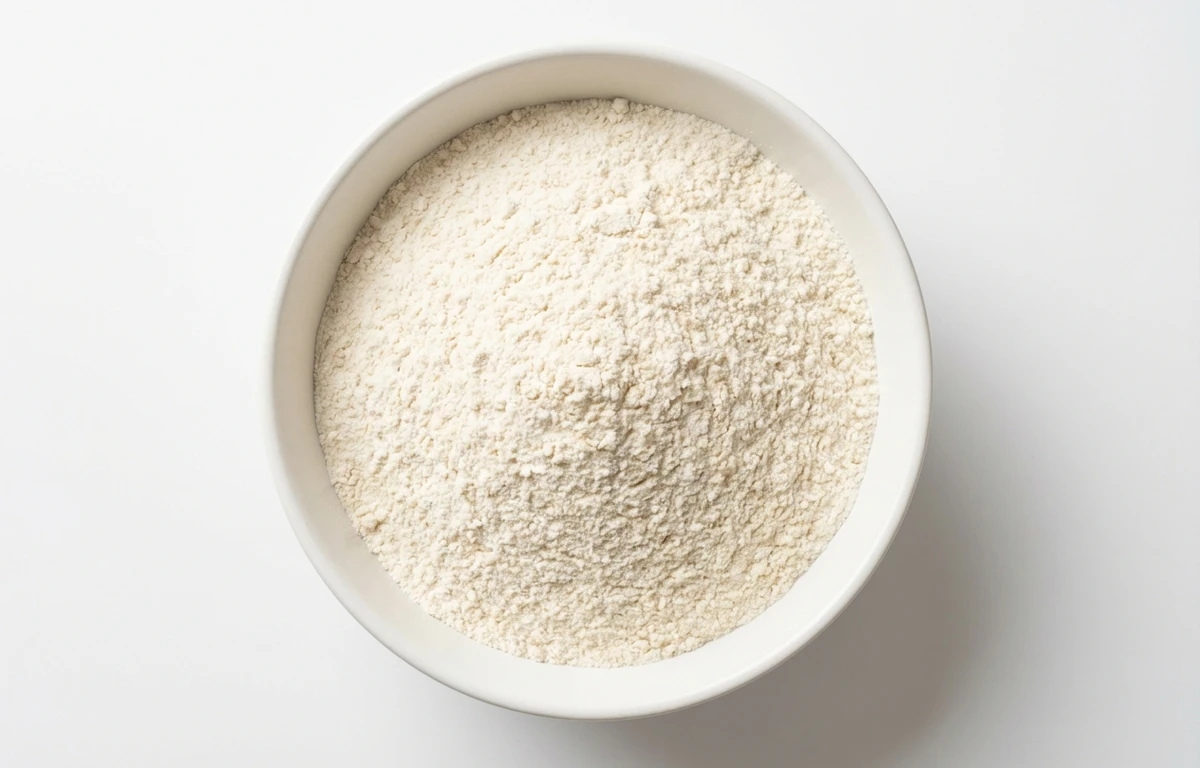
enriched white masa corn flour.
VegetarianVeganGluten-freeDairy-freeNut-freePeanut-freeSoy-freeEgg-freeShellfish-freeHoney-freeAlcohol-free
SERVING
CALORIES
363
PROTEIN
8.5g
CARBS
76.6g
FAT
3.7g
FIBER
6.4g
NUTRITION PROFILE · per 100 g
Everything in this ingredient.
MACRONUTRIENTS
Calories363kcal—
Protein8.5g17%
Carbohydrates76.6g28%
Fiber6.4g23%
Sugar1.6g3%
Total fat3.7g5%
Saturated fat0.53g3%
Cholesterol0mg0%
Water9.8g—
MINERALS
Sodium5.0mg0%
Potassium262mg6%
Calcium138mg11%
Iron8.5mg47%
Magnesium93mg22%
Phosphorus231mg18%
Zinc1.8mg16%
Copper0.21mg23%
Manganese0.38mg17%
Selenium10.5µg19%
VITAMINS
Vitamin A0µg0%
Vitamin C0mg0%
Vitamin D0µg0%
Vitamin E0.12mg1%
Vitamin K0µg0%
Thiamin (B1)1.5mg123%
Riboflavin (B2)0.81mg62%
Niacin (B3)9.9mg62%
Pantothenic acid (B5)0.19mg4%
Vitamin B60.48mg28%
Folate (B9)162µg41%
Vitamin B120µg0%
%DV based on a 2,000 cal diet. Source: USDA FoodData Central. A dash in the %DV column means there’s no established Daily Value for that nutrient.
MEASUREMENT CONVERSIONS
How much is what.
1 cup114g
1 tablespoon7.1g
1 teaspoon2.4g
1 ml0.5g
1 liter475g
HEALTH BENEFITS
Why eat it.
- ✓Enriched with B vitamins like niacin, thiamin, and folic acid, which support energy metabolism and neural health.
- ✓Naturally gluten-free, making it a suitable grain for individuals with celiac disease or gluten sensitivity.
- ✓The nixtamalization process increases the bioavailability of niacin and can add dietary calcium from the limewater used in processing.
- ✓Provides a source of dietary fiber, which aids in digestion and helps maintain stable blood sugar levels.
COOKING TIPS
In the kitchen.
- 1To make dough for tortillas or tamales, gradually mix the masa flour with warm water and salt until a soft, pliable dough forms. Let it rest for 20-30 minutes before using.
- 2Use as a thickener for soups, stews, or chili. Make a slurry with a small amount of cold liquid before adding it to the hot dish to prevent lumps.
- 3The ideal water-to-flour ratio can vary by brand. Start with the package directions and adjust as needed to achieve the desired consistency.
- 4When pressing tortillas, place the dough ball between two sheets of plastic wrap or a cut plastic bag to prevent sticking to the press.
STORAGE
Keep it fresh.
- Store in a cool, dark, and dry place in an airtight container to protect it from moisture, pests, and light.
- For long-term storage (beyond 6 months), place the airtight container in the refrigerator or freezer to preserve freshness and prevent the natural oils from becoming rancid.
FAQ
Frequently asked questions.
Is enriched white masa corn flour healthy?
Enriched white masa corn flour offers several health benefits, including being naturally gluten-free and fortified with B vitamins like niacin, thiamin, and folic acid, which support energy metabolism. The nixtamalization process also increases the bioavailability of niacin and adds dietary calcium. However, it is high in carbohydrates, so moderation is key, especially for those managing blood sugar.
What are the key nutritional benefits of enriched white masa corn flour?
This flour is enriched with essential B vitamins (niacin, thiamin, folic acid) crucial for energy production and neural health. The traditional nixtamalization process enhances the availability of niacin and introduces calcium. It also provides dietary fiber, which aids digestion and helps maintain stable blood sugar levels.
How many calories and carbohydrates are in enriched white masa corn flour?
Per 100 grams, enriched white masa corn flour contains approximately 363 calories. It is primarily a carbohydrate source, providing about 76.59 grams of carbohydrates per 100 grams, along with 8.46 grams of protein and 3.69 grams of fat.
Is enriched white masa corn flour gluten-free?
Yes, enriched white masa corn flour is naturally gluten-free. It is made from corn, which does not contain gluten, making it a suitable grain for individuals with celiac disease or gluten sensitivity.
Is enriched white masa corn flour suitable for a low-carb or keto diet?
Due to its high carbohydrate content (approximately 76.59g per 100g), enriched white masa corn flour is generally not suitable for strict low-carb or ketogenic diets. While it offers nutritional benefits, individuals on these diets would need to consume it in very small portions or seek alternative flours.
What is enriched white masa corn flour primarily used for in cooking?
Enriched white masa corn flour is the traditional base for many Latin American dishes. It is most commonly used to make authentic corn tortillas, tamales, pupusas, and sopes, providing a distinct flavor and texture.
How do you prepare masa dough from enriched white masa corn flour?
To prepare masa dough, you typically combine the masa corn flour with warm water and a pinch of salt, mixing until a soft, pliable dough forms. The exact water ratio can vary, but it should be moist enough to hold its shape without cracking. Let it rest briefly before shaping into tortillas or other items.
How should I store enriched white masa corn flour to keep it fresh?
To maintain freshness, store enriched white masa corn flour in an airtight container in a cool, dry, and dark place, such as a pantry. Proper storage prevents moisture absorption and keeps pests away. For extended shelf life, especially in humid climates, it can be stored in the refrigerator or freezer.
What does 'enriched' mean in enriched white masa corn flour?
The term 'enriched' means that certain vitamins and minerals that may have been lost during processing are added back, and sometimes additional nutrients are included. In the case of masa corn flour, it is typically fortified with B vitamins like niacin, thiamin, and folic acid, which are important for overall health.
What is nixtamalization and why is it important for masa flour?
Nixtamalization is a traditional process where corn is cooked and steeped in an alkaline solution, typically limewater (calcium hydroxide), then hulled and ground. This process is crucial because it significantly increases the bioavailability of niacin, preventing deficiencies, and also adds dietary calcium to the flour, improving its nutritional profile.