Other1 recipes
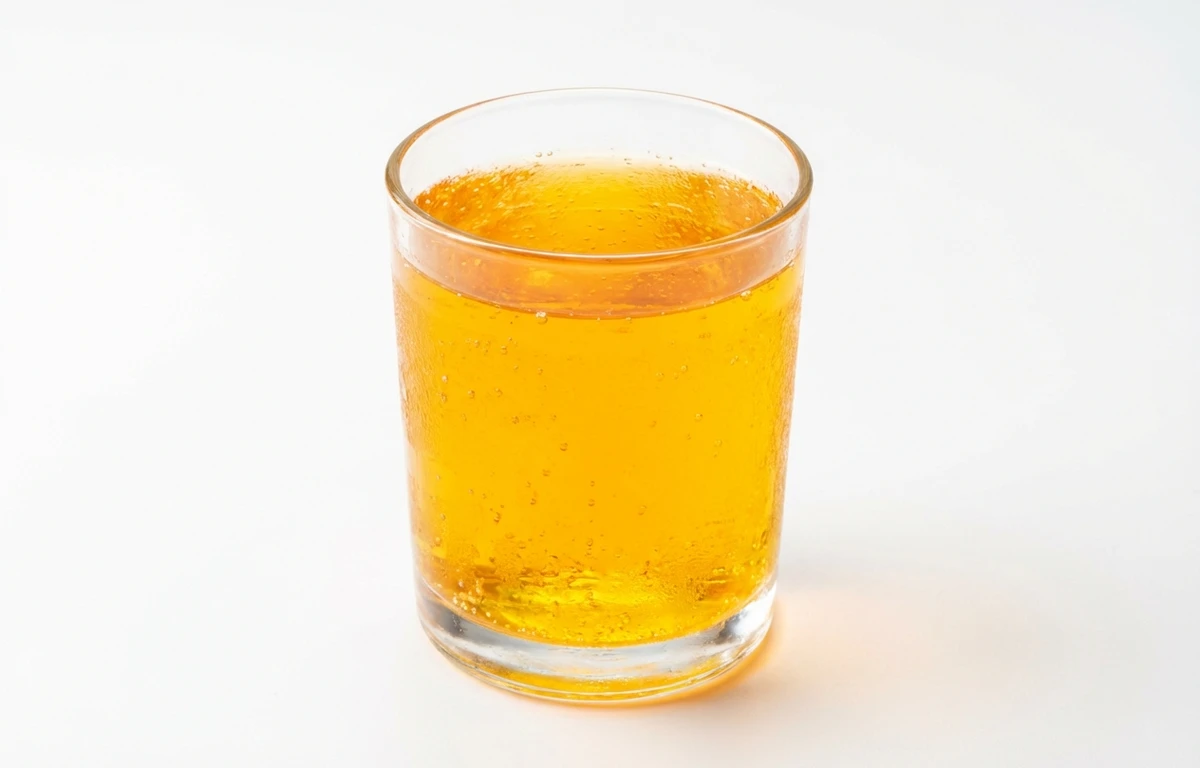
energy drink.
VegetarianVeganGluten-freeDairy-freeNut-freePeanut-freeSoy-freeEgg-freeShellfish-freeHoney-freeAlcohol-free
SERVING
CALORIES
45
PROTEIN
0g
CARBS
11g
FAT
0g
FIBER
0g
NUTRITION PROFILE · per 100 g
Everything in this ingredient.
MACRONUTRIENTS
Calories45kcal—
Protein0g0%
Carbohydrates11g4%
Fiber0g0%
Sugar11g22%
Total fat0g0%
Saturated fat0g0%
Cholesterol0mg0%
Water88g—
MINERALS
Sodium35mg2%
Potassium5.0mg0%
Calcium0mg0%
Iron0mg0%
Magnesium5.9mg1%
Phosphorus0mg0%
Zinc0mg0%
Copper0mg0%
Selenium0.06µg0%
VITAMINS
Vitamin A0µg0%
Vitamin C0mg0%
Vitamin D0µg0%
Vitamin E0mg0%
Vitamin K1.0µg1%
Thiamin (B1)0.01mg1%
Riboflavin (B2)0.03mg2%
Niacin (B3)3.0mg19%
Vitamin B60.67mg39%
Folate (B9)0µg0%
Vitamin B120.61µg25%
%DV based on a 2,000 cal diet. Source: USDA FoodData Central. A dash in the %DV column means there’s no established Daily Value for that nutrient.
MEASUREMENT CONVERSIONS
How much is what.
1 cup248g
1 tablespoon15.5g
1 teaspoon5.2g
1 oz29.6g
1 lb473.1g
1 ml1g
1 liter1033.3g
HEALTH BENEFITS
Why eat it.
- ✓Temporarily enhances alertness and concentration due to high caffeine content.
- ✓May improve physical performance and endurance during short-duration, high-intensity exercise.
- ✓Often fortified with B-vitamins (like B6 and B12) which contribute to energy metabolism and reduction of fatigue.
COOKING TIPS
In the kitchen.
- 1Use as a mixer for cocktails or mocktails to add flavor, sweetness, and a caffeine boost.
- 2Can be used as a component in a marinade for meats like pork, as its acidity and sugar can help tenderize and create a glaze.
- 3Reduce in a saucepan to create a syrup for drizzling over desserts, though the flavor can be intense.
- 4Freeze in ice cube trays to add to other beverages without diluting them, or blend into a slushie.
STORAGE
Keep it fresh.
- Store unopened cans or bottles in a cool, dark place like a pantry, away from direct sunlight and heat.
- Once opened, refrigerate immediately and consume within 24-48 hours for best taste and to prevent spoilage.
FAQ
Frequently asked questions.
Is an energy drink healthy?
Energy drinks offer temporary boosts in alertness and concentration due to caffeine and B-vitamins, which support energy metabolism. However, they are often high in sugar and can lead to adverse effects like jitters, sleep disturbances, and heart issues if consumed excessively. They are not a substitute for proper rest and nutrition.
How much sugar and calories are typically in an energy drink?
Based on the provided data, 100g of a typical energy drink contains about 45 calories and 11g of carbohydrates, primarily from sugar. A standard 250ml can would therefore contain around 112.5 calories and 27.5g of sugar, which is a significant amount and contributes to daily sugar intake.
Are energy drinks good for weight loss?
No, energy drinks are generally not good for weight loss. While they contain no fat or protein, their high sugar and calorie content (around 45 calories and 11g carbs per 100g) can contribute to weight gain if consumed regularly. Sugar-free versions exist, but they still don't offer nutritional benefits for weight management.
Are energy drinks vegan or gluten-free?
Many energy drinks are formulated to be vegan and gluten-free, but it's crucial to check the ingredient label of specific brands. Some may contain animal-derived ingredients like certain forms of taurine or colorings, or cross-contamination with gluten during manufacturing.
Can diabetics drink energy drinks?
Diabetics should generally avoid regular energy drinks due to their high sugar content, which can cause rapid spikes in blood glucose levels. Sugar-free or 'diet' versions might be an option, but it's best to consult with a healthcare professional as artificial sweeteners can also have varying effects.
What are the potential side effects of consuming energy drinks?
Common side effects include jitters, anxiety, insomnia, and increased heart rate due to high caffeine levels. Excessive consumption can lead to more serious issues like heart palpitations, high blood pressure, and in rare cases, cardiac events, especially when combined with alcohol or pre-existing conditions.
Can energy drinks be mixed with alcohol?
Mixing energy drinks with alcohol is strongly discouraged. The stimulant effect of the energy drink can mask the depressant effects of alcohol, leading individuals to consume more alcohol than they normally would, increasing the risk of alcohol poisoning, impaired judgment, and dangerous behaviors.
How should energy drinks be stored?
Energy drinks should be stored in a cool, dry place away from direct sunlight, similar to other carbonated beverages. For optimal taste, they are best served chilled. Once opened, they should be consumed within a few hours to maintain carbonation and freshness.
Do energy drinks improve athletic performance?
Energy drinks may temporarily improve physical performance and endurance during short-duration, high-intensity exercise due to their caffeine content. However, they are not a substitute for proper hydration and nutrition, and their high sugar content can lead to a 'crash' afterward.
What is the recommended daily intake of energy drinks?
There is no official recommended daily intake for energy drinks, and many health organizations advise against regular consumption. For healthy adults, it's generally recommended to limit caffeine intake to no more than 400mg per day, which can easily be exceeded by even one large energy drink. Children, pregnant women, and individuals with heart conditions should avoid them entirely.
RECIPES
Cook with energy drink.
1 recipes · sorted by what’s quick