Other1 recipes
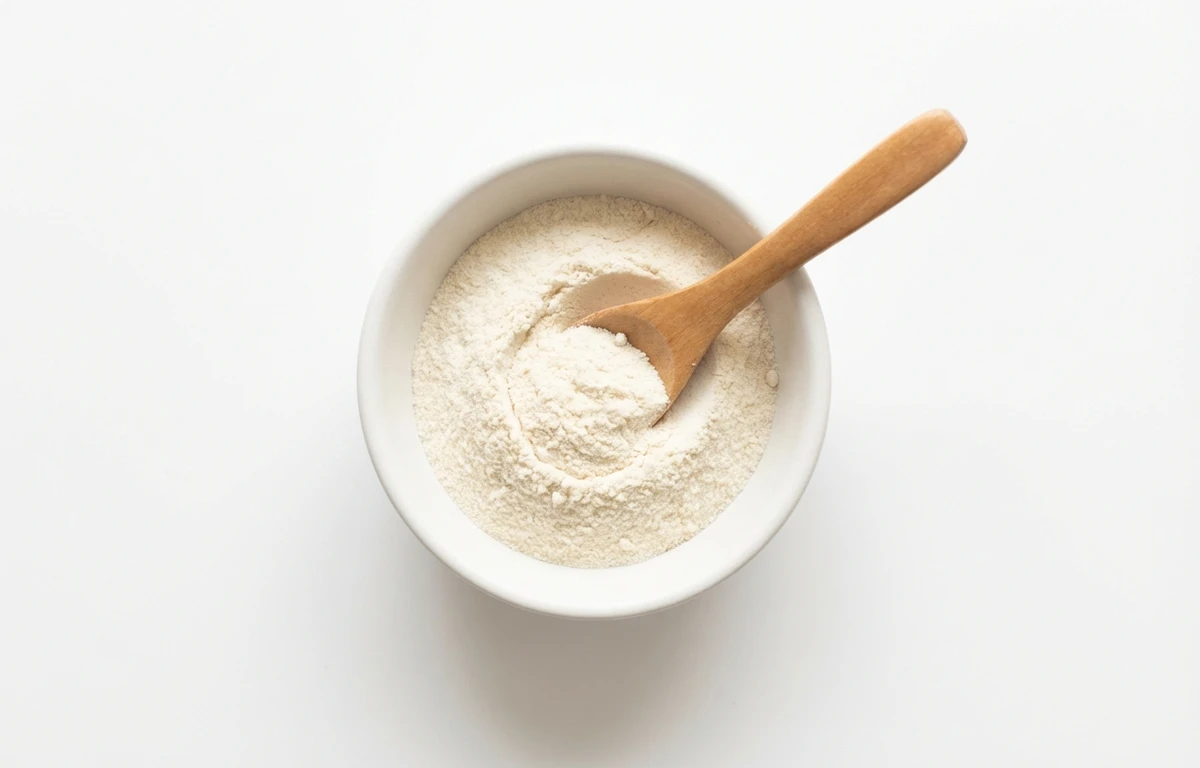
edible gum.
VegetarianVeganGluten-freeDairy-freeNut-freePeanut-freeSoy-freeEgg-freeShellfish-freeHoney-freeAlcohol-free
ALSO KNOWN AS
gondgaundgum arabic
SERVING
CALORIES
320
PROTEIN
2.0g
CARBS
90g
FAT
0g
FIBER
90g
NUTRITION PROFILE · per 100 g
Everything in this ingredient.
MACRONUTRIENTS
Calories320kcal—
Protein2.0g4%
Carbohydrates90g33%
Fiber90g321%
Sugar0g0%
Total fat0g0%
Saturated fat0g0%
Cholesterol0mg0%
Water0g—
MINERALS
Sodium18mg1%
Potassium17mg0%
Calcium130mg10%
Iron0.30mg2%
Magnesium25mg6%
Phosphorus2.0mg0%
VITAMINS
Vitamin A0µg0%
Vitamin C0mg0%
Vitamin D0µg0%
%DV based on a 2,000 cal diet. Source: USDA FoodData Central. A dash in the %DV column means there’s no established Daily Value for that nutrient.
MEASUREMENT CONVERSIONS
How much is what.
1 cup120g
1 tablespoon7.5g
1 teaspoon2.5g
1 ml0.5g
1 liter500g
HEALTH BENEFITS
Why eat it.
- ✓Acts as a prebiotic soluble fiber, supporting gut health by feeding beneficial bacteria.
- ✓Can help stabilize blood sugar levels by slowing the absorption of glucose after a meal.
- ✓Promotes satiety and a feeling of fullness, which may aid in weight management.
- ✓Improves texture in gluten-free baking, providing structure and elasticity typically offered by gluten.
COOKING TIPS
In the kitchen.
- 1Use very small quantities, as edible gums are potent thickeners; typically 1/4 to 1 teaspoon is sufficient for an entire recipe.
- 2To prevent clumping, whisk the gum with other dry ingredients (like flour or sugar) before adding to liquids.
- 3When adding directly to a liquid, sprinkle it slowly over the surface while continuously blending or whisking vigorously.
- 4Edible gums like xanthan gum work well in both hot and cold applications, making them versatile for sauces, dressings, and ice creams.
STORAGE
Keep it fresh.
- Store in a cool, dry, dark place in an airtight container to prevent clumping from moisture absorption.
- Keep away from strong-smelling spices or ingredients, as the powder can absorb odors.
FAQ
Frequently asked questions.
Is edible gum healthy?
Yes, edible gum offers several health benefits, primarily due to its high soluble fiber content. It acts as a prebiotic, supporting gut health by feeding beneficial bacteria, and can help stabilize blood sugar levels. It also promotes satiety, which may aid in weight management.
What are the nutritional benefits of edible gum?
Per 100g, edible gum contains approximately 320 calories, 2g protein, 90g carbohydrates (mostly fiber), and 0g fat. Its primary benefit comes from being a rich source of soluble fiber, which supports digestive health and can contribute to a feeling of fullness.
Is edible gum good for weight management?
Yes, edible gum can be beneficial for weight management. Its high soluble fiber content promotes satiety and a feeling of fullness, which can help reduce overall calorie intake. It also slows digestion, contributing to sustained energy release.
Is edible gum gluten-free?
Yes, edible gum is naturally gluten-free. It is derived from plant sources and is frequently used in gluten-free baking as a binder and texturizer, providing structure and elasticity that gluten typically offers.
Can diabetics consume edible gum?
Yes, edible gum can be a suitable addition to a diabetic diet. Its soluble fiber content helps to slow down the absorption of glucose after meals, which can contribute to more stable blood sugar levels. However, moderation is key due to its carbohydrate content.
Is edible gum vegan?
Yes, edible gum is vegan. It is a natural exudate from the bark of certain trees or other plant sources, making it entirely plant-based and suitable for vegan diets.
How is edible gum used in baking?
In baking, edible gum acts as a thickener, emulsifier, and stabilizer. It's particularly valued in gluten-free recipes for improving texture, providing structure, and preventing crumbling, mimicking the properties of gluten. It helps bind ingredients and retain moisture.
What does edible gum taste like?
Edible gum generally has a neutral or very mild taste. When used in recipes, it typically does not impart any significant flavor, allowing the other ingredients to shine. Its primary role is textural rather than flavor-based.
How should edible gum be stored?
Edible gum should be stored in a cool, dry place, away from direct sunlight and moisture. Keep it in an airtight container to prevent clumping and maintain its quality and shelf life.
What is edible gum, generally?
Edible gum refers to various natural gums derived from plants, primarily as exudates from trees or shrubs. They are complex carbohydrates, mostly soluble fiber, used in food for their thickening, gelling, emulsifying, and stabilizing properties. Common types include gum arabic and gum tragacanth.
RECIPES
Cook with edible gum.
1 recipes · sorted by what’s quick