Other
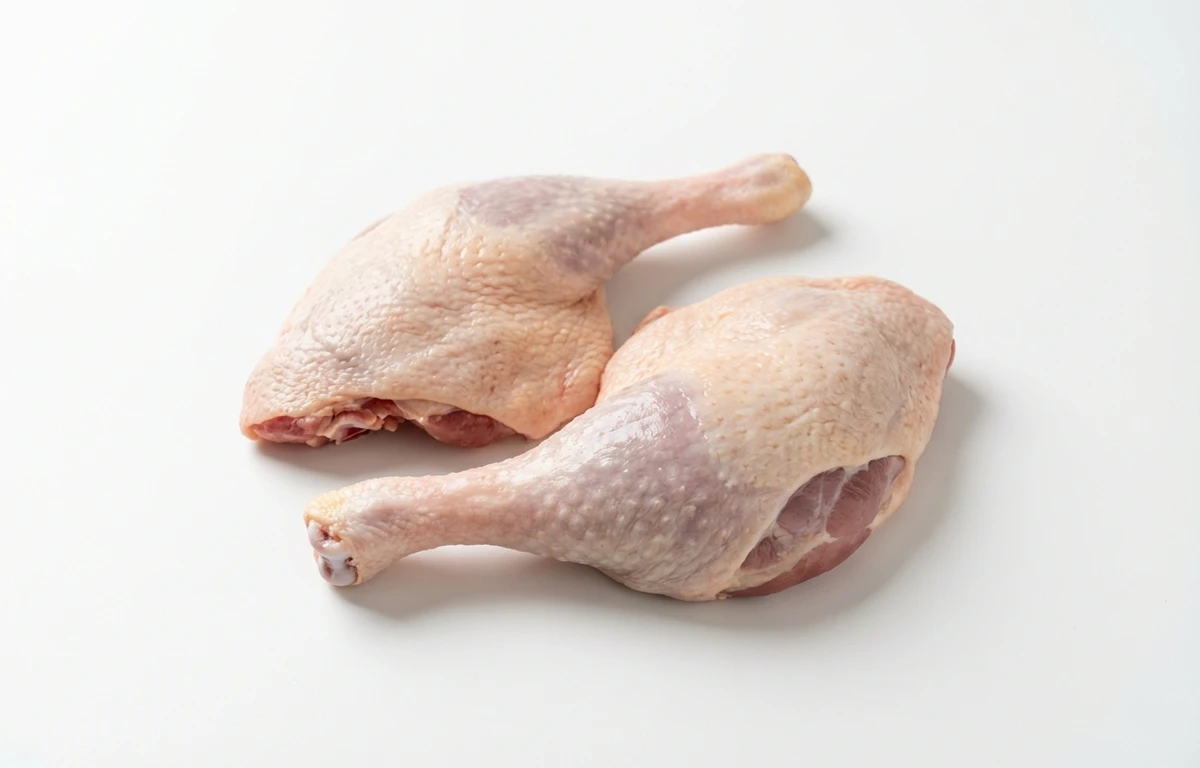
duck legs.
VegetarianVeganGluten-freeDairy-freeNut-freePeanut-freeSoy-freeEgg-freeShellfish-freeHoney-freeAlcohol-free
SERVING
CALORIES
214
PROTEIN
17.5g
CARBS
0g
FAT
15.2g
FIBER
0g
NUTRITION PROFILE · per 100 g
Everything in this ingredient.
MACRONUTRIENTS
Calories214kcal—
Protein17.5g35%
Carbohydrates0g0%
Fiber0g0%
Sugar0g0%
Total fat15.2g19%
Saturated fat4.8g24%
Trans fat0g—
Cholesterol84mg28%
Water66g—
MINERALS
Sodium74mg3%
Potassium204mg4%
Calcium11mg1%
Iron2.4mg13%
Magnesium16mg4%
Phosphorus156mg12%
Zinc1.9mg17%
Copper0.20mg22%
Manganese0.02mg1%
Selenium14µg25%
VITAMINS
Vitamin A21µg2%
Vitamin C0mg0%
Vitamin D0.10µg1%
Vitamin E0.70mg5%
Vitamin K3.0µg3%
Thiamin (B1)0.16mg13%
Riboflavin (B2)0.24mg18%
Niacin (B3)4.8mg30%
Pantothenic acid (B5)1.1mg22%
Vitamin B60.25mg15%
Folate (B9)7.0µg2%
Vitamin B120.40µg17%
%DV based on a 2,000 cal diet. Source: USDA FoodData Central. A dash in the %DV column means there’s no established Daily Value for that nutrient.
MEASUREMENT CONVERSIONS
How much is what.
1 oz28.4g
1 lb453.6g
1 piece170g
HEALTH BENEFITS
Why eat it.
- ✓Excellent source of high-quality complete protein, essential for muscle building and repair.
- ✓Rich in iron, particularly heme iron, which is easily absorbed by the body and helps prevent anemia.
- ✓Provides significant amounts of B vitamins, including niacin (B3) and B12, which support energy metabolism and nervous system function.
- ✓Good source of selenium, an antioxidant that plays a crucial role in immune function and thyroid health.
COOKING TIPS
In the kitchen.
- 1For crispy skin, pat the legs completely dry with a paper towel, score the skin in a diamond pattern without cutting the meat, and season generously with salt before cooking.
- 2Duck legs are ideal for slow-cooking methods like braising or confit. This breaks down the tough connective tissues, resulting in exceptionally tender and flavorful meat.
- 3To render the fat and achieve a crispy skin, start the legs skin-side down in a cold, dry pan over medium-low heat. Cook slowly until most of the fat has rendered out and the skin is golden brown and crisp.
- 4Pair duck with acidic or sweet flavors like cherry, orange, plum, or balsamic vinegar to balance the richness of the meat.
STORAGE
Keep it fresh.
- Store fresh duck legs in their original packaging or on a plate covered with plastic wrap in the coldest part of the refrigerator (below 40°F / 4°C) for up to 2 days.
- For long-term storage, wrap duck legs tightly in plastic wrap and then foil, or use a vacuum sealer, and freeze for up to 6 months.
FAQ
Frequently asked questions.
Are duck legs healthy?
Duck legs are a good source of high-quality protein, essential B vitamins (like B12 and niacin), iron, and selenium. While they contain more fat than some other poultry cuts, much of it can be rendered during cooking, and the meat itself offers significant nutritional benefits for muscle health and energy.
How much protein and fat are in duck legs?
Per 100g, duck legs contain approximately 17.5g of protein and 15.2g of fat. This makes them a rich source of protein, comparable to other meats, while also providing a good amount of healthy fats, especially if the skin is consumed.
Are duck legs good for weight loss?
Duck legs can be part of a weight-loss diet when consumed in moderation, especially if the skin is removed to reduce fat and calorie content. Their high protein content (17.5g per 100g) can help promote satiety, which is beneficial for managing calorie intake.
Are duck legs gluten-free?
Yes, plain duck legs are naturally gluten-free. As a whole, unprocessed meat, they do not contain any gluten. However, always check ingredients if purchasing pre-marinated or processed duck leg products, as marinades or coatings might contain gluten.
Are duck legs keto-friendly?
Yes, duck legs are very keto-friendly. They are naturally low in carbohydrates (0g per 100g) and provide a good balance of protein (17.5g per 100g) and fat (15.2g per 100g), making them suitable for a ketogenic diet.
How do you cook duck legs?
Duck legs are often cooked slowly to render the fat and achieve tender meat with crispy skin. Popular methods include confit (slow-cooking in its own fat), roasting, or braising. Scoring the skin before cooking helps render the fat effectively.
What do duck legs taste like?
Duck legs have a rich, savory flavor that is often described as being more robust and gamey than chicken, but less so than red meat. The dark meat is tender and moist, especially when properly cooked, with a distinct, slightly sweet undertone.
How do you store fresh duck legs?
Fresh duck legs should be stored in their original packaging or tightly wrapped in plastic wrap in the coldest part of your refrigerator, typically on the bottom shelf to prevent any drips from contaminating other foods. Ensure they are kept separate from ready-to-eat items.
How long do duck legs last in the refrigerator?
Fresh, raw duck legs can typically be stored in the refrigerator for 1-2 days. For longer storage, they should be frozen. Cooked duck legs can last 3-4 days in the refrigerator when properly stored in an airtight container.
Can you eat duck leg skin?
Yes, duck leg skin is edible and highly prized for its rich flavor and crispy texture when properly rendered. While it is high in fat, many enjoy it as a delicacy. If you prefer to reduce fat intake, you can remove the skin before or after cooking.